Tag: alphonso

  • Aam Panna: India’s Original Electrolyte Drink Recipe

    Aam Panna: India’s Original Electrolyte Drink Recipe

    Before Gatorade, before Liquid IV, before every electrolyte brand on Instagram — India had aam panna. A raw mango drink that has been keeping people alive through 115-degree Indian summers for centuries. Texas summers run to 105 degrees. You need this.

    This is not a trendy wellness drink repackaged with a Sanskrit name. Aam panna is a working-class survival drink that grandmothers in Rajasthan, Gujarat, and Uttar Pradesh have been making every summer since before anyone thought to put electrolytes in a neon-colored bottle. The fact that it tastes incredible is almost beside the point — it was designed to keep people standing in brutal heat.


    What Is Aam Panna?

    Aam panna is a cooked raw mango drink spiced with cumin, mint, and black salt. It is tart, sweet, salty, and refreshing in a way that no commercial sports drink can match. In India, it is given to people suffering from heat exhaustion as a natural remedy.

    The raw mango provides Vitamin C, the salt replaces sodium lost through sweat, the cumin aids digestion, and the mint cools the body. It is a complete rehydration package disguised as a delicious drink.

    In Ayurvedic tradition, aam panna is classified as a cooling drink that balances pitta — the body’s heat energy. Whether or not you follow Ayurveda, the practical effect is undeniable: a glass of aam panna after outdoor work brings your body temperature down and restores energy faster than water alone. The combination of sodium, potassium, Vitamin C, and organic acids creates a rehydration profile that modern sports science would call well-designed — India just figured it out a few hundred years earlier.

    The name itself tells you what it is: “aam” means mango, “panna” comes from “panha” in Marathi, meaning drink. In different parts of India, it goes by different names — aam ka panna in Hindi, kairichi panha in Marathi, manga paanakam in Telugu. The recipe varies slightly by region, but the core idea is the same everywhere: cook raw mango, spice it, salt it, dilute it, drink it in the heat.

    Choosing the Right Mango for Aam Panna

    This is critical: aam panna must be made with raw, unripe mangoes. Do not use ripe mangoes. The tartness of raw mango is what makes aam panna work — it provides the sourness, the Vitamin C content, and the specific flavor that defines the drink.

    Totapuri is the traditional and best choice for aam panna. It is large, firm, and has the right level of tartness even when slightly mature. The flesh cooks down into a smooth, pale-green pulp that makes a beautiful concentrate. If you cannot find Totapuri, any firm unripe Indian mango will work.

    Some people use raw Alphonso or Kesar that are not yet ripe. These produce a slightly more aromatic aam panna, but the flavor profile is different from the classic version. The trade-off is worth experimenting with — raw Alphonso gives the drink a floral note that Totapuri does not have.

    Avoid using store-bought Mexican or South American mango varieties for aam panna. They lack the tartness and aromatic complexity of Indian varieties, and the result tastes flat. This is one recipe where the variety of mango genuinely matters. Check our varieties page to see which raw mangoes are available this season.

    Classic Aam Panna Recipe

    Ingredients:

    • 2 large raw (unripe) mangoes — Totapuri works best
    • 1 cup sugar or jaggery (adjust to taste)
    • 1 tsp roasted cumin powder
    • Half tsp black salt (kala namak)
    • Regular salt to taste
    • 10-12 fresh mint leaves
    • Half tsp black pepper (optional)
    • Cold water and ice

    Method:

    1. Cook the mangoes: Pressure cook raw mangoes with 1 cup water for 2 whistles. Or boil in a pot for 20-25 minutes until the skin splits and the flesh is soft. You can also roast them directly over a gas flame until the skin chars and the flesh inside becomes soft — this is the traditional method and adds a subtle smoky flavor that elevates the drink.
    2. Extract the pulp: Let them cool, then peel and squeeze out all the pulp. Discard the seed and skin. You want every bit of flesh — scrape the seed clean.
    3. Make the concentrate: Blend the pulp with sugar, cumin powder, black salt, regular salt, mint leaves, and black pepper until smooth. Taste and adjust — the concentrate should be intensely flavored because it will be diluted with water.
    4. Serve: Add 2-3 tablespoons of concentrate to a glass of cold water. Stir, add ice, garnish with mint.

    The concentrate stores in the refrigerator for up to 2 weeks. Make a big batch and you have instant aam panna all month.

    Jaggery vs. sugar: Traditional recipes use jaggery (unrefined cane sugar), which adds a deeper, more complex sweetness with notes of caramel. Jaggery also contains trace minerals like iron and potassium, making the drink marginally more nutritious. White sugar works fine and produces a cleaner, brighter flavor. Try both and decide which you prefer. If using jaggery, dissolve it in warm water first to remove any grit.

    Why It Works Better Than Sports Drinks

    NutrientAam Panna (1 glass)Gatorade (1 glass)
    Vitamin C~40mg0mg
    SodiumNatural (black salt)Synthetic
    SugarNatural (jaggery option)High fructose corn syrup
    Artificial colorNoneYellow 5, Red 40
    ProbioticsIf made with jaggeryNone

    The comparison goes deeper than this table. Aam panna contains organic acids — citric acid and malic acid — from the raw mango that help the body absorb minerals more efficiently. Black salt (kala namak) provides sodium along with trace amounts of sulfur compounds that aid digestion. And the roasted cumin acts as a carminative, preventing the bloating that can happen when you drink large volumes of liquid quickly after exercise.

    Commercial sports drinks were engineered in a lab to replace electrolytes. Aam panna was engineered by centuries of trial and error by people who worked outdoors in 115-degree heat without air conditioning. Both approaches work. One tastes like artificial lime. The other tastes like something you actually want to drink.

    Variations

    • Spicy aam panna: Add a green chili to the blend. The heat plus the tartness is incredible on a hot day. This is common in Rajasthan, where they like everything with a kick.
    • Aam panna soda: Mix the concentrate with sparkling water instead of still water. Instant artisan soda. Serve in a tall glass with a sprig of mint and it looks like something from a craft cocktail bar.
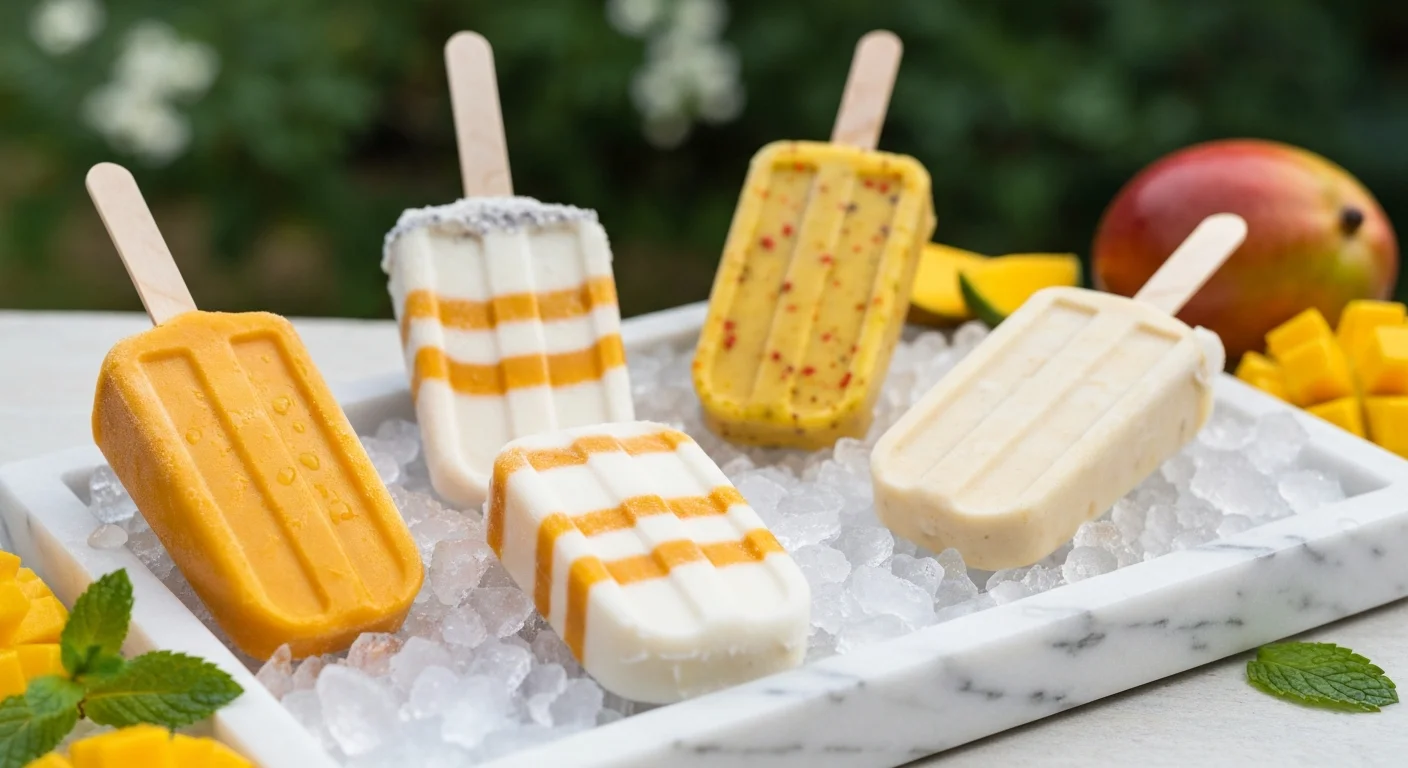
    • Aam panna popsicles: Pour the diluted drink into popsicle molds. Kids love these, and they are a far healthier frozen treat than anything in the grocery store freezer aisle.
    • Aam panna cocktail: For adults — mix the concentrate with vodka or white rum, sparkling water, and a squeeze of lime. It is the best summer cocktail you have never tried.
    • Aam panna with fennel: Replace the cumin with fennel seed powder for a slightly sweeter, more anise-like flavor. This variation is popular in parts of Maharashtra.

    Tips for the Best Aam Panna

    After making aam panna dozens of times over the years, here are the details that make the difference between good and exceptional:

    Roast the cumin fresh. Pre-ground cumin powder from a jar works, but freshly roasted cumin seeds ground in a mortar make a noticeable difference. Dry-roast whole cumin seeds in a pan for 2 minutes until fragrant, then crush. The aroma is incomparable.

    Do not skip the black salt. Regular table salt alone will not give you the same flavor. Black salt has a sulfurous, slightly egg-like quality that sounds unappealing but is essential to the drink’s character. It is what makes aam panna taste like aam panna rather than a generic mango drink. You can find black salt at any Indian grocery store in Texas.

    Let the concentrate rest overnight. Freshly made concentrate is good, but concentrate that has sat in the refrigerator overnight is better. The flavors meld and the cumin integrates more fully. Think of it like a curry that tastes better the next day.

    Adjust sweetness to the mango. Some raw mangoes are more tart than others. Taste the pulp before adding sugar and adjust accordingly. The drink should be primarily tart with sweetness as a supporting note — not the other way around. If you make it too sweet, you lose the whole point.

    How to Store and Batch-Prep for the Season

    Serious aam panna drinkers make a season’s worth of concentrate at once. Here is how:

    1. Order a box of raw Totapuri mangoes early in the season when they are at peak tartness.
    2. Cook all the mangoes at once — pressure cooking is fastest for large batches.
    3. Make a large batch of concentrate, portion into glass jars or freezer-safe containers.
    4. Refrigerated concentrate keeps for 2 weeks. Frozen concentrate keeps for 3-4 months.
    5. To serve from frozen, thaw a jar in the refrigerator overnight. Stir well before diluting.

    One box of Totapuri (approximately 3 kg) yields enough concentrate for roughly 30-40 glasses of aam panna. That is an entire summer of rehydration from a single box of mangoes.

    Perfect for Texas Summers

    Keep a jar of aam panna concentrate in your fridge from April through August. After mowing the lawn, after a kid’s soccer game, after any outdoor activity — a glass of aam panna will rehydrate you faster and taste better than anything in a plastic bottle.

    Texas and India share more climate DNA than most people realize. The brutal, sustained heat. The humidity that makes 95 degrees feel like 110. The way the sun sits on top of you from May through September like it has a personal grudge. Aam panna was designed for exactly this kind of climate. It is not a coincidence that the drink feels perfectly suited to a Texas summer — the conditions it was invented for are remarkably similar.

    If you have kids who play outdoor sports in the Texas heat, aam panna concentrate in their water bottle is a genuine upgrade over commercial sports drinks. It tastes better, has no artificial ingredients, and provides Vitamin C that supports recovery. More parents in our delivery area have started doing this, and the feedback has been overwhelmingly positive.

    Order raw Totapuri mangoes for your aam panna batch. Check our FAQ page for questions about ordering raw mangoes.

    Beat the Texas Heat

    Texas summers regularly hit 100 degrees and above. Aam panna is the perfect antidote. Order raw Totapuri mangoes from Swadeshi for your batch — we deliver to Austin, Dallas, Houston, and San Antonio. Explore all our mango varieties and visit our blog for more traditional mango drink recipes and ideas.

    Frequently Asked Questions

    What is aam panna?

    Aam panna is a traditional Indian drink made from cooked raw mango, spiced with cumin, mint, and black salt. It is a natural electrolyte drink that has been used for centuries to prevent heat exhaustion.

    Which mango variety is best for aam panna?

    Raw (unripe) Totapuri is the traditional choice — firm and tart. Any unripe Indian mango works. Do not use ripe mangoes — aam panna requires the sourness of raw mango.

    How long does aam panna concentrate last?

    Refrigerated concentrate keeps for up to 2 weeks. Frozen concentrate keeps for 3-4 months. Store in glass jars or freezer-safe containers and thaw in the refrigerator overnight before use.

    Can I use jaggery instead of sugar?

    Yes, and many traditional recipes prefer it. Jaggery adds a deeper, more complex sweetness along with trace minerals like iron and potassium. Dissolve jaggery in warm water first to remove any grit before blending into the concentrate.

  • Mango Baby Food: When and How to Start

    Mango Baby Food: When and How to Start

    Mangoes are one of the best first fruits for babies — naturally sweet, soft, and packed with vitamins. Indian families have been feeding mango to babies for generations, and for good reason. The fruit practically begs to be a baby food: its flesh blends into a silky puree, it has a mild sweetness that babies accept immediately, and it delivers a nutritional profile that rivals any jar on the supermarket shelf. Here is when to start and how to do it safely.


    When Can Babies Eat Mango?

    Most pediatricians agree that mango can be introduced at 6 months, when babies start solid foods. Mango is not a common allergen and is generally well-tolerated. The American Academy of Pediatrics places mango in the same category as other safe first fruits like banana and avocado.

    Start with a small amount — 1-2 teaspoons of mango puree — and wait 3 days before introducing another new food. This is the standard “wait and watch” approach for all new foods. During those 3 days, observe for any signs of reaction such as rash, stomach upset, or fussiness.

    One important note: while the flesh of the mango is not a common allergen, the skin contains urushiol — the same compound found in poison ivy. Some babies with sensitive skin may develop a rash from contact with mango skin. Always peel the mango completely before preparing it for your baby, and wash their hands and face after eating to remove any residual mango juice that may have touched the skin.

    If your family has a history of food allergies, speak with your pediatrician before introducing mango. But for the vast majority of babies, mango is a perfectly safe and wonderful first fruit.

    How to Prepare Mango for Each Age

    6-8 Months: Smooth Puree

    Use a very ripe Alphonso or Kesar. The flesh should be so soft you can mash it with a fork. Blend or mash into a completely smooth puree with no chunks. At this stage, the consistency should be similar to yogurt — thin enough that the baby can swallow without chewing.

    Tip: Mix with breast milk, formula, or a little yogurt to thin it out for first-timers. This also adds familiar flavors that help the baby accept the new food more easily.

    You can also combine mango puree with rice cereal or oat cereal. The cereal thickens the mixture slightly while the mango adds natural sweetness, making it far more appealing than plain cereal. Many parents find that adding mango puree to a food their baby initially rejected — like plain avocado — can make the difference between acceptance and the dramatic head turn.

    8-10 Months: Mashed or Chunky Puree

    As your baby gets comfortable with textures, leave the puree slightly chunky. You can also mix mango with mashed banana, sweet potato, or oatmeal. This is the stage where you can start creating combinations. Mango and banana together is a classic that almost every baby loves. Mango with sweet potato introduces a savory-sweet combination that builds a more adventurous palate.

    Another excellent combination at this stage is mango with plain whole-milk yogurt. The probiotics in the yogurt support gut health while the mango provides vitamins and natural sweetness. This combination is common in Indian households and has been a traditional weaning food for centuries.

    10-12 Months: Soft Pieces

    Cut very ripe mango into small, soft pieces that dissolve easily. Mangoes like Mallika or very ripe Alphonso work well because they are completely fiberless. The pieces should be small enough that if the baby tries to swallow one whole, it will dissolve safely.

    At this stage, you can also offer mango mixed into khichdi (rice and lentil porridge), which is a traditional Indian baby food. The sweetness of the mango balances the mild savory flavor of the lentils, and the combination provides protein, carbohydrates, and vitamins in a single meal.

    12+ Months: Mango Strips for Self-Feeding

    Cut ripe mango into thin strips that your toddler can hold. This is excellent for developing fine motor skills. Yes, it will be messy. Very messy. Embrace it.

    At this age, you can also introduce mango in more creative forms: frozen mango pieces for teething relief, mango blended into smoothies, or mango mixed into pancake batter. Toddlers who have been eating mango since 6 months tend to accept it in virtually any form because the flavor is deeply familiar.

    Best Varieties for Babies

    • Alphonso: Best overall — zero fiber, very smooth, naturally sweet. The gold standard for baby food.
    • Mallika: Completely fiberless. The smoothest texture of any variety. If your baby is sensitive to texture, this is your best option.
    • Kesar: Aromatic and sweet. Slightly more fiber than Alphonso but still baby-friendly when very ripe.
    • Banginapalli: Mild and sweet with a creamy texture when fully ripe. A good option if Alphonso is not available.
    • Avoid Totapuri for babies: Too tart and fibrous for little ones. Save it for cooking recipes instead.

    When selecting mangoes for baby food, ripeness matters more than variety. An overripe Kesar will be smoother than an underripe Alphonso. The mango should yield to gentle pressure, have a strong sweet fragrance at the stem end, and the flesh should be deep orange. If you need guidance on ripening, check our mango ripening guide for tips on getting your mangoes to the perfect stage.

    Nutritional Benefits for Babies

    • Vitamin A: Essential for eye development. One serving of Alphonso provides 25% of a baby’s daily needs.
    • Vitamin C: Supports immune system development and helps the body absorb iron from other foods.
    • Folate: Important for cell growth and development, particularly crucial in the first year of life.
    • Fiber: Gentle enough to support developing digestive systems without causing discomfort.
    • Natural sweetness: Helps babies accept fruits without added sugar.
    • Vitamin B6: Supports brain development and helps the body build neurotransmitters.
    • Potassium: Important for healthy muscle function and hydration.

    Compared to store-bought baby food in jars, homemade mango puree has significantly more vitamins and no preservatives, thickeners, or fillers. A single ripe Alphonso can produce enough puree for 3-4 baby servings, making it both nutritious and economical.

    One thing many parents do not realize is that mango is also an excellent source of digestive enzymes. Ripe mangoes contain amylases that help break down starches into simple sugars. This is why mango is such an easy fruit for young digestive systems — the fruit essentially helps digest itself.

    Simple Mango Baby Food Recipes

    Once your baby is comfortable with plain mango puree, try these combinations that Indian families have relied on for generations:

    Mango and Yogurt (8+ months)

    Blend 2 tablespoons of ripe mango with 3 tablespoons of plain whole-milk yogurt. This is essentially a baby-sized mango lassi without any added sugar. The probiotics in yogurt plus the prebiotic fiber in mango create a combination that supports gut health from both directions.

    Mango and Rice Cereal (6+ months)

    Mix 1 tablespoon of mango puree into prepared rice cereal. The mango transforms bland cereal into something babies actually want to eat. You can gradually increase the mango ratio as your baby develops a taste for it.

    Mango, Banana, and Oat Porridge (8+ months)

    Cook 2 tablespoons of baby oats, then stir in mashed banana and mango puree. This is a complete breakfast that provides whole grains, potassium from the banana, and vitamins from the mango. It holds well in the refrigerator for a quick morning meal.

    Mango and Avocado (8+ months)

    Mash half a ripe avocado with 2 tablespoons of mango puree. The healthy fats in avocado support brain development, while the mango adds sweetness that makes the avocado more palatable for picky eaters. This combination has an incredibly creamy texture that babies love.

    Freezer Baby Food Prep

    During mango season, make a big batch of mango puree and freeze in ice cube trays. Pop the cubes into freezer bags — each cube is one perfect baby serving. You will have mango baby food for months after the season ends.

    One box of Alphonso yields approximately 20-25 baby food cubes. That is weeks of baby meals from a single box.

    Here is the method that works best for freezing:

    1. Select fully ripe mangoes — the riper the better for freezing, as slightly underripe mangoes develop an off-flavor after thawing.
    2. Peel and cut the flesh away from the seed.
    3. Blend until completely smooth. For babies under 8 months, strain through a fine mesh sieve to remove any fiber strands.
    4. Pour into silicone ice cube trays (silicone releases easier than plastic).
    5. Freeze for at least 6 hours, then pop cubes into labeled freezer bags with the date.
    6. Frozen mango puree keeps well for up to 3 months without significant flavor loss.

    When ready to serve, thaw one cube in the refrigerator overnight or warm gently in a bowl of warm water. Never microwave frozen mango puree — microwaves heat unevenly and can create hot spots that burn a baby’s mouth.

    Common Concerns and Safety Tips

    Parents often have questions about feeding mango to babies. Here are the most common concerns addressed:

    Will mango cause diarrhea? Mango is unlikely to cause diarrhea when served in appropriate portions. Start with 1-2 teaspoons and increase gradually. If your baby has loose stools after eating mango, reduce the portion size. The natural sugars in mango can have a mild laxative effect in large quantities, but this is rare at baby-food portions.

    Can mango cause allergic reactions? True mango allergy is uncommon but possible. Watch for hives, swelling around the mouth, vomiting, or difficulty breathing after eating mango. The more common reaction is contact dermatitis from the skin — a rash around the mouth or cheeks from the urushiol in the peel. This is an irritation, not an allergy, and can be avoided by peeling the mango thoroughly and wiping your baby’s face after eating.

    Is the sugar content too high for babies? The natural sugars in mango are accompanied by fiber, vitamins, and water, making them very different from added sugars. Pediatric nutritionists agree that whole fruit, including mango, is appropriate for babies. The concern about sugar applies to fruit juices and purees with added sweeteners — not whole fruit purees.

    Order mangoes for your little one’s first mango experience. Browse all Indian mango varieties to find the right one for your family.

    Fresh Mangoes for Texas Families

    Swadeshi delivers naturally ripened, chemical-free Indian mangoes to Austin, Dallas, Houston, and San Antonio. Perfect for making frozen baby food batches that last months. For more information on storage and ripening, visit our mango care guide. Also read: our blog for more mango recipes and tips for families.

    Frequently Asked Questions

    When can babies start eating mango?

    Most pediatricians recommend introducing mango at 6 months when babies start solid foods. Begin with smooth puree (1-2 teaspoons) and wait 3 days before introducing another new food.

    Is mango a common allergen for babies?

    No, mango is not a common allergen. However, the skin contains urushiol (related to poison ivy) which can cause contact irritation. Always peel mangoes before preparing baby food.

    Which mango variety is best for baby food?

    Alphonso is the top choice — fiberless, smooth, and naturally sweet. Kesar and Mallika are also excellent. Avoid fibrous or tart varieties like Totapuri for young babies.

    Can I freeze mango baby food?

    Yes. Blend ripe mango into puree, pour into ice cube trays, and freeze. Each cube is one serving. Frozen puree keeps for up to 3 months. Thaw in the refrigerator overnight before serving.

    How many servings does one box of mangoes make?

    One box of Alphonso mangoes yields approximately 20-25 baby food cubes. That is roughly 3-4 weeks of daily mango servings for a baby just starting solids.

Chat on WhatsApp