
Tag: fiber

  • Mango for Heart Health: Potassium and Fiber Factor

    Mango for Heart Health: Potassium and Fiber Factor

    Mango supports heart health through three direct mechanisms: potassium that helps lower blood pressure, soluble fiber (pectin) that reduces LDL cholesterol, and mangiferin, a polyphenol that improves endothelial function and reduces inflammation. A 2020 randomized trial in The Journal of Nutrition (PMID: 32856043) demonstrated that daily mango consumption for four weeks improved flow-mediated vasodilation in postmenopausal women without adverse effects on body weight.

    Heart Disease in Texas: The Scale of the Problem

    Cardiovascular disease is the leading cause of death in Texas, according to the CDC. Roughly 700 Texans die every week from heart disease. The American Heart Association’s 2023 Life’s Essential 8 framework identifies diet quality as one of the most modifiable levers, second only to not smoking. Specific fruits and vegetables consistently track with better cardiovascular outcomes.

    Where Mango Fits

    The American Heart Association encourages at least four to five servings of fruits daily. Mango fits cleanly into this recommendation and brings a distinctive polyphenol profile that many everyday fruits lack. Indian varieties such as Alphonso and Kesar are particularly polyphenol-dense.

    The Potassium Story

    Potassium is the single most important dietary mineral for blood pressure control. A 2022 New England Journal of Medicine trial demonstrated that switching to potassium-enriched salt reduced stroke incidence by 14 percent in a rural Chinese cohort. Most Americans get only 2,500 mg potassium daily versus the recommended 3,400 mg for men and 2,600 mg for women.

    Mango Potassium Math

    One cup of mango (165 g) delivers 277 mg of potassium, about 8 percent of the daily target. That is modest alone but meaningful when combined with other potassium-rich foods like beans, leafy greens, and sweet potato. Replacing a bag of chips (usually low potassium, high sodium) with a cup of mango can swing the potassium-to-sodium ratio by several hundred milligrams per meal.

    Soluble Fiber and Cholesterol

    Mango pectin binds bile acids in the small intestine, forcing the liver to pull cholesterol from the blood to synthesize replacement bile acids. This mechanism is well documented for oats, but mango pectin operates on the same principle. A 2019 study in Food and Function fed overweight adults 400 g mango daily for 12 weeks and recorded a 5 percent drop in LDL cholesterol along with a small rise in HDL.

    Fiber Comparison

    Heart-Healthy Food (per 100 g)Soluble Fiber (g)Potassium (mg)Key Polyphenol
    Mango (raw, NDB 09176)1.0168Mangiferin
    Oats (cooked)1.061Avenanthramides
    Apple (with skin)1.0107Quercetin
    Black beans (cooked)2.5355Anthocyanins
    Avocado2.0485Lutein
    Banana0.7358Dopamine

    Mangiferin and Endothelial Function

    Endothelial function is the ability of the inner lining of blood vessels to relax in response to demand. It is a validated marker of cardiovascular health. A 2020 trial in The Journal of Nutrition measured flow-mediated vasodilation in postmenopausal women consuming 330 g of Ataulfo mango daily for 14 days and found a statistically significant improvement. Researchers attributed the effect to mangiferin and related xanthones.

    Inflammation and CRP

    Chronic low-grade inflammation, measured by C-reactive protein (CRP), predicts heart attack and stroke risk. The 2018 Nutrition and Metabolic Insights trial (PMID: 29344086) recorded a reduction in CRP after 12 weeks of daily mango consumption. Lower CRP translates to modestly lower cardiovascular event risk over time.

    Blood Pressure Evidence

    A 2021 review in Nutrients (PMC8402766) synthesized multiple trials on mango and related fruits and concluded that regular consumption is consistent with blood pressure reduction on the order of 2 to 4 mmHg systolic. That is similar to the effect of a low-sodium diet and smaller than a first-line antihypertensive medication, but meaningful when combined with exercise and overall dietary changes.

    The DASH Diet Fit

    The Dietary Approaches to Stop Hypertension (DASH) pattern, developed by the NIH NHLBI, emphasizes fruit, vegetables, low-fat dairy, whole grains, and lean protein. Mango slots neatly into the 4-5 daily fruit servings the DASH plan recommends and adds variety beyond bananas and apples.

    Practical Texas Heart-Healthy Routines

    Morning: Mango cubes with Greek yogurt and walnuts for soluble fiber, protein, and ALA omega-3. Midday: Mango salsa on grilled chicken with black beans for potassium and plant polyphenols. Afternoon: A medium mango as a snack replacing chips or crackers. Evening: Mango slices with a small piece of dark chocolate for flavonoid stacking.

    Who Should Be Careful

    Patients on potassium-sparing diuretics, ACE inhibitors, or angiotensin receptor blockers should monitor potassium intake. Mango is not typically restricted but can contribute to elevated serum potassium in advanced chronic kidney disease. Always coordinate food changes with your cardiologist or nephrologist.

    Variety Matters

    Indian mango varieties tend to carry higher mangiferin levels than Central American cultivars. Alphonso and Kesar lead; Banginapalli and Himayath follow. Swadeshi Mangoes delivers all nine Indian varieties across Texas, giving heart-conscious eaters access to the most polyphenol-dense options. See the full lineup on our varieties page.

    Frequently Asked Questions

    Is mango good for high blood pressure?

    Mango’s potassium, fiber, and mangiferin combination supports healthy blood pressure. Clinical trials show modest reductions in systolic blood pressure on the order of 2 to 4 mmHg with daily intake. Mango works best as part of a broader DASH-style eating pattern rather than as a single fix. Monitor blood pressure at home and coordinate with your doctor.

    Can mango lower cholesterol?

    Yes, modestly. A 2019 Food and Function trial recorded a 5 percent drop in LDL cholesterol after 12 weeks of daily mango consumption, likely driven by pectin’s bile acid binding and mangiferin’s effect on lipid metabolism. Pair mango with oats, beans, and moderate exercise for a stronger cumulative cholesterol response over three to six months.

    How much mango should I eat for heart benefits?How much mango should I eat for heart benefits?

    Clinical trials typically use 300 to 400 g of mango daily, roughly one medium fruit. That delivers meaningful potassium, pectin, and mangiferin without excessive calories. A medium mango supplies about 150 calories, which fits into most heart-healthy meal plans. Consistency over weeks matters more than single high-dose days for cardiovascular endpoints.

    Does mango interact with blood pressure medication?

    Mango is not known to cause significant drug interactions, unlike grapefruit. Patients on potassium-sparing diuretics or ACE inhibitors should consider total daily potassium from all sources. People with advanced kidney disease must monitor potassium carefully. Discuss significant dietary changes with your cardiologist to personalize the approach.

    Which mango variety is best for heart health?

    Alphonso and Kesar tend to have the highest mangiferin concentrations among commercially available Indian varieties in Texas. Banginapalli and Himayath follow closely. All ripe mango varieties provide potassium, pectin, and beta-carotene. Choose based on flavor preference and variety availability. Browse all nine options on our varieties page.

    Texas Takeaway

    From Austin’s tech corridor to the Rio Grande Valley, Texas adults are working to lower cardiovascular risk. Adding a daily Indian mango during season is one of the easiest dietary upgrades available. Order from Swadeshi Mangoes via our order form or read more evidence-based health content on our blog.

    Mangiferin, Nitric Oxide, and Blood Vessels

    Endothelial nitric oxide synthase (eNOS) produces nitric oxide, which relaxes blood vessels and improves flow. Mangiferin upregulates eNOS activity in cultured endothelial cells, a mechanism described in a 2019 Phytomedicine paper (PMID: 31325705). This helps explain why clinical trials see improved flow-mediated vasodilation after mango consumption. Texas patients with mild hypertension can consider mango one of several endothelium-friendly foods alongside leafy greens, beets, and dark chocolate.

    Inflammation Cascades

    Atherosclerosis progresses through chronic inflammation within arterial walls. Mangiferin and related polyphenols inhibit NF-kB signaling, the master regulator of inflammatory gene expression. The 2018 Nutrition and Metabolic Insights trial showed reduction in high-sensitivity CRP after daily mango consumption. Combined with a Mediterranean or DASH-style diet, mango supports a broader anti-inflammatory pattern that benefits Texas adults at cardiovascular risk.

    Mango in Texas Cardiac Rehab Menus

    Several Texas cardiac rehabilitation programs, including those affiliated with the Texas Heart Institute in Houston, include fresh fruit in patient menus. Mango is a welcome choice because patients often describe it as a treat rather than a prescription. Positive associations improve long-term dietary adherence. Rehab dietitians can highlight the one-cup portion size and remind patients that enjoyment and sustainability matter alongside nutrient targets.

    Home Monitoring

    Texans managing hypertension should use a validated home blood pressure monitor. Taking readings at the same time each day, after resting for five minutes, and in a seated position with feet flat, produces reliable trends. Over two to three months of consistent dietary changes including a daily mango during season, many patients see small but meaningful reductions in their averages.

    Long-Term Risk Reduction

    A 2017 International Journal of Epidemiology meta-analysis associated each daily serving of fruit with a 7 percent reduction in coronary heart disease risk. Swapping a processed snack for a mango multiple times per week accumulates over years into meaningful risk reduction. No single food carries the whole load, but patterns that include polyphenol-rich fruits correlate strongly with lower event rates across populations. For Texas adults with family history of heart disease, adding a daily mango through the April-to-July season is one of the simplest high-yield dietary changes available. Combine it with 150 minutes of weekly moderate-intensity activity and regular blood pressure monitoring for compounding benefits.

    This article is for educational purposes. Consult your healthcare provider for medical advice.
  • Mango vs Summer Fruits: Nutrition Head-to-Head

    Mango vs Summer Fruits: Nutrition Head-to-Head

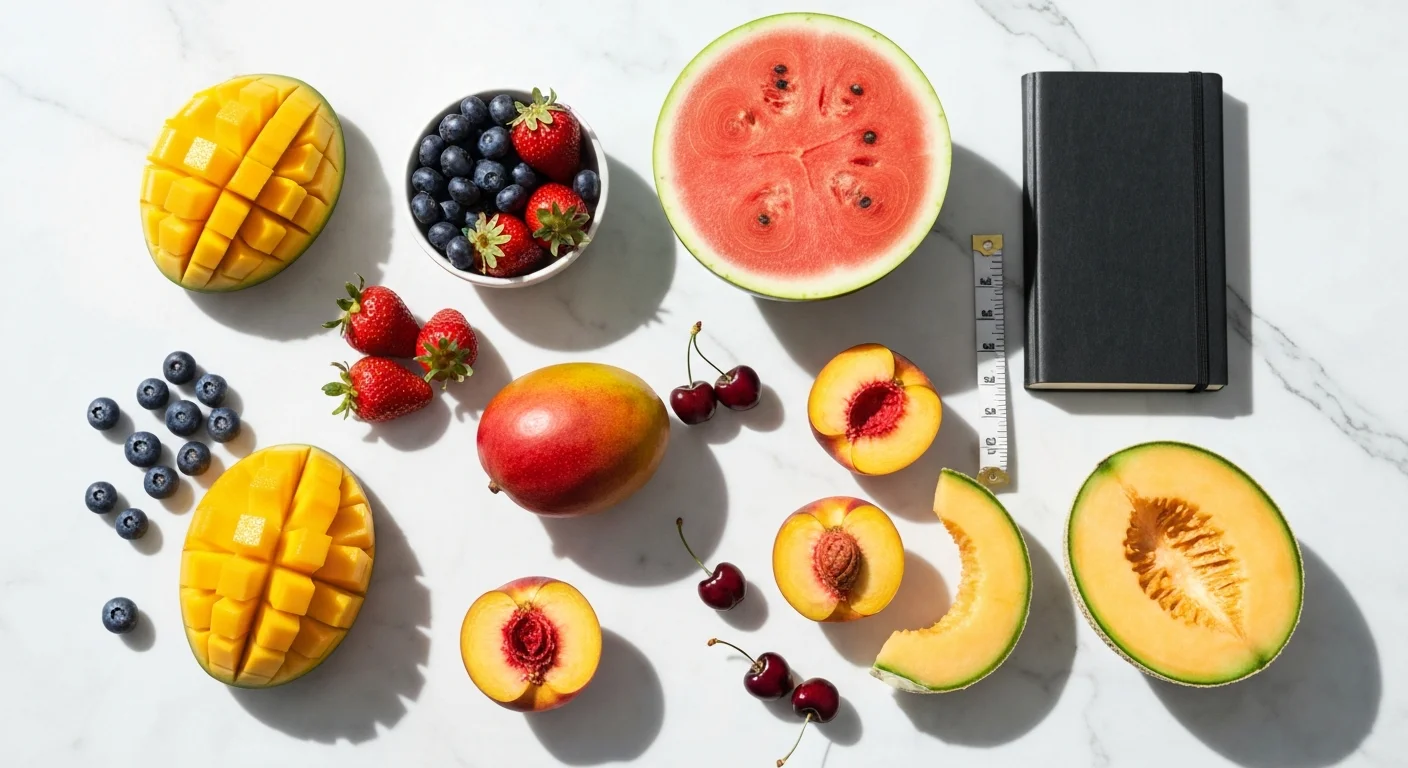
    Mango ranks at or near the top across vitamin A, vitamin C, folate, and polyphenol density compared to other summer fruits. Per 100 g, mango delivers 21 percent DV vitamin C, 11 percent DV vitamin A, and roughly 1,690 mg gallic acid equivalents in polyphenols, outperforming watermelon, peach, strawberry, and cantaloupe on combined micronutrient density while matching them on hydration.

    Why Head-to-Head Matters

    Texas summers push the body hard. A Houston afternoon with 95 percent humidity or a Lubbock afternoon at 105 degrees Fahrenheit drives fluid losses of 1 to 2 liters per hour of outdoor activity. Summer fruits replace water, electrolytes, and phytochemicals that blunt heat-driven oxidative stress. But not all summer fruits are nutritionally equal, and the right mix supports performance, immunity, and mood across the hot months.

    Ground Rules for Comparison

    All nutrient values are drawn from USDA FoodData Central, normalized to 100 g edible portion. Polyphenol values use the Phenol-Explorer database where available. Indian mango (cultivar-specific polyphenol data from the National Mango Board) is used where different from generic FDC entries.

    The Big Table

    Fruit (100 g)CaloriesVitamin C (%DV)Vitamin A (%DV)Folate (%DV)Potassium (mg)Fiber (g)Water (%)
    Mango (raw, NDB 09176)604111111681.683
    Watermelon309311120.492
    Peach397311901.589
    Strawberry3265061532.091
    Blueberry571612772.484
    Cantaloupe34406852670.990
    Cherry638112222.182

    Category Winners

    Vitamin C

    Strawberry takes the top slot for sheer vitamin C density at 65 percent DV per 100 g. Mango holds second at 41 percent DV, tied with cantaloupe. Both mango and strawberry deliver more than a full day’s vitamin C in a single cup, making them top picks for immune support during the summer cold season.

    Vitamin A

    Cantaloupe wins on vitamin A thanks to its orange flesh. Mango, especially Indian varieties with deep orange pulp, ranks second. A 2019 Food Chemistry paper measured Alphonso beta-carotene at 3,800 micrograms per 100 g, considerably higher than the generic USDA figure, because the FDC entry represents a blend of cultivars.

    Polyphenols

    Blueberry is famously polyphenol-rich, scoring roughly 560 mg per 100 g in anthocyanins alone. Indian mango, often overlooked, scores approximately 1,690 mg per 100 g in total polyphenols when measured by Folin-Ciocalteu on Alphonso pulp. That includes mangiferin, gallic acid, quercetin, and a family of xanthones. On total polyphenol density, mango often edges out blueberry when Indian cultivars are tested directly.

    Potassium

    Cantaloupe leads at 267 mg per 100 g, followed by cherry and peach. Mango’s 168 mg is mid-pack but still meaningful for heat-driven electrolyte replacement.

    Fiber

    Blueberry and cherry tie for top fiber density. Mango’s 1.6 g per 100 g is moderate but arrives with a higher total volume per serving since a typical mango serving is 165 g.

    Beyond Numbers: Functional Fit

    Nutrition tables miss the functional context. Watermelon’s lycopene is heat-stable and supports skin protection during Texas sun exposure. Strawberry’s ellagic acid has been linked in a 2020 Journal of Functional Foods study to improved endothelial function. Mango’s mangiferin is an AMPK activator studied for metabolic health. A smart summer fruit strategy includes rotation rather than reliance on one champion.

    Glycemic Load Snapshot

    Glycemic loads per typical serving: watermelon 5, peach 5, cherry 6, mango 8, strawberry 3, blueberry 5, cantaloupe 4. All fruits remain in the low-GL category except when juiced or dried.

    Texas Seasonality

    In Texas, Indian mango arrives April through July. Local peaches peak June through early August. Watermelon saturates markets May through September. Strawberries are best January through April in the Gulf region. Blueberries peak late April through June in East Texas. This timing creates a natural handoff: mango carries the first half of the heat months, with watermelon and peaches filling in through late summer.

    Sourcing Matters

    Imported fruit loses polyphenol density during cold storage and transport. A 2021 Food Chemistry study found a 20 to 30 percent drop in total polyphenols in fruit held in cold storage for more than 21 days. Swadeshi Mangoes ships direct-ripened Indian mango across Texas to minimize this loss. Explore the lineup on our varieties page.

    A Balanced Texas Summer Fruit Plate

    An ideal summer plate for a Texas adult: one cup mango, one cup watermelon, a half cup blueberries or cherries, and a handful of strawberries. Total: about 280 calories, 6 g fiber, 100 percent DV vitamin C, 40 percent DV vitamin A, and 800 mg potassium. That outperforms any single-fruit approach and matches the USDA Dietary Guidelines fruit recommendation while boosting antioxidant variety.

    Frequently Asked Questions

    Is mango the healthiest summer fruit?

    Mango is among the top three summer fruits for combined vitamin A, vitamin C, and polyphenol density, especially when Indian varieties are chosen. Calling any single fruit the “healthiest” ignores the benefit of variety. Rotating mango with blueberry, strawberry, and watermelon provides a broader phytochemical spectrum than relying on one champion across the season.

    Which fruit has more antioxidants, mango or blueberry?

    Blueberry is famous for anthocyanins, which are powerful antioxidants. Indian mango delivers a different antioxidant profile dominated by mangiferin, gallic acid, and quercetin. Total polyphenol measurements on Alphonso pulp often exceed blueberry on a per-gram basis. Both are valuable, and the smartest approach is to include both weekly rather than choose between them.

    Does mango have more sugar than watermelon?

    Yes by concentration. Mango contains about 14 g sugar per 100 g, watermelon about 6 g per 100 g. Watermelon contains more water per serving, which dilutes its sugar. For weight management, both are acceptable because the total glycemic load remains low. Portion size matters more than the specific fruit when watching carbohydrate intake.

    Which summer fruit is best for hydration in Texas heat?

    Watermelon and cantaloupe lead at 90 to 92 percent water content. Mango at 83 percent is still strongly hydrating. The best hydration strategy combines fruit with adequate plain water. Fruit electrolytes like potassium and magnesium support fluid retention, and the American Journal of Clinical Nutrition Beverage Hydration Index places fruit above plain water in short-term hydration performance.

    Can I eat multiple summer fruits daily?

    Yes. The USDA recommends two cups of fruit per day, and spreading that across two or three different fruits improves micronutrient diversity. Texans who combine mango, watermelon, and berries routinely meet vitamin C, potassium, and fiber targets without supplements. Watch total sugar for those with diabetes and pair fruit with protein or healthy fat to stabilize blood sugar.

    Texas Takeaway

    Across the state from El Paso to Houston, summer fruit is abundant and affordable. Building a weekly rotation that centers Indian mango during April through July then transitions to local peaches, watermelon, and berries produces the strongest nutritional return. Visit our order form to start mango season off right, or browse the blog for more science-based comparisons.

    Oxidative Stress and Fruit Variety

    Texas summer sun accelerates reactive oxygen species production in skin and blood vessels. Each fruit provides a different antioxidant spectrum. Lycopene from watermelon shines in skin protection. Anthocyanins from blueberries and cherries protect brain capillaries. Mangiferin from mango crosses into multiple tissues and appears in urine within hours of consumption, evidence of systemic bioavailability. Combining fruits rather than rotating them one at a time improves total antioxidant network coverage.

    Satiety and Snacking Success

    Research on the Satiety Index ranks whole fruit above many processed snacks. Mango ranks well because of its combination of fiber, water, and natural sweetness that satisfies sugar cravings without added sugar. Texas office workers who swap a mid-afternoon cookie for a cup of mango cubes often report reduced evening cravings and more stable energy through the back half of the workday.

    Cost-Per-Nutrient Considerations

    Texas grocery prices fluctuate with season. Imported blueberries can hit five dollars per pint in winter, while peak-season Texas watermelon drops below one dollar per pound. Indian mango from Swadeshi Mangoes, when ordered during peak April through July, often delivers strong cost-per-nutrient value because of high polyphenol density. Combining local Texas peaches with delivered Indian mango optimizes both budget and nutrition.

    Glycemic Stacking

    For diabetes-aware eaters, combining lower-glycemic berries with moderate-glycemic mango produces a balanced dessert plate. A half cup of blueberries with a half cup of mango cubes keeps total glycemic load under 7 while providing diverse polyphenol coverage. Pair with a handful of walnuts for omega-3 fats that slow glucose absorption further.

    Practical Weekly Rotation

    A Texas family might structure the summer fruit rotation as follows: Monday berries, Tuesday mango, Wednesday peach, Thursday watermelon, Friday mango, Saturday cantaloupe, Sunday mixed plate. This secures all the top antioxidants across the week and gives children exposure to multiple flavors and textures. Visit our varieties page to select Indian mango cultivars to anchor the plan. For many Texas households, this kind of weekly rotation replaces packaged snacks and boosts total fruit servings well above the national average, a meaningful shift that compounds across a long summer. The cost savings on processed snack foods often offset the premium of direct-shipped Indian mango.

    This article is for educational purposes. Consult your healthcare provider for medical advice.

Chat on WhatsApp