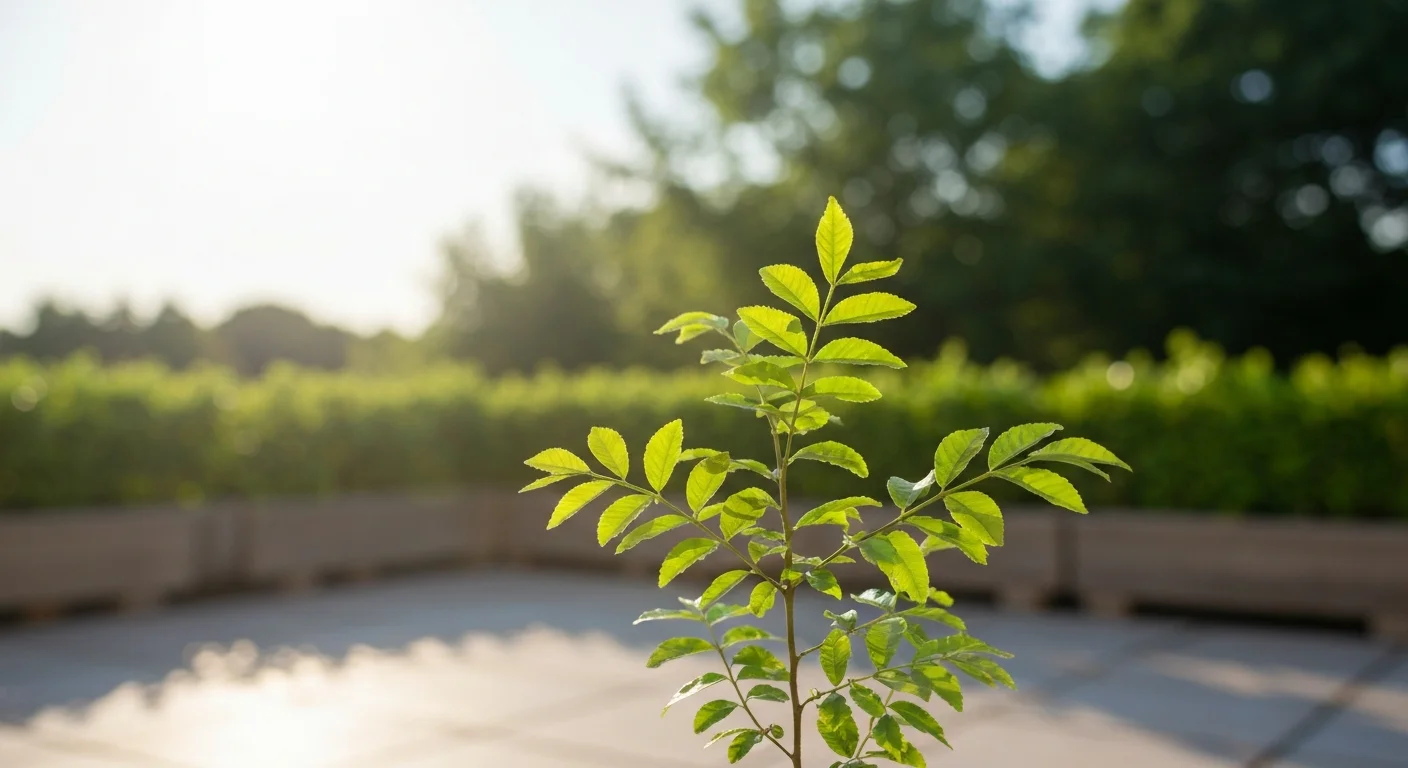
Yes, you can grow a mango tree in Texas, but only successfully in USDA zones 9b-10 (the Rio Grande Valley and parts of South Texas) for year-round outdoor growth. In zones 8a-9a (Austin, San Antonio, Houston), container growing with indoor winter protection is the realistic path. Mango trees die at 30F for extended hours. Texas A&M AgriLife Extension classifies Texas as marginal for mango cultivation. Expect 3-4 years to first fruit from a grafted nursery tree and accept that hard freezes every 5-7 years will challenge outdoor plantings.
Understanding Texas USDA Zones and Mango Requirements
Mango trees (Mangifera indica) evolved in tropical South Asia and need average minimum temperatures above 40F to thrive. The USDA Plant Hardiness Zone Map places Texas across zones 6b (Panhandle) to 10a (lower Rio Grande Valley). For perspective on where you live:
- Zone 10a (Brownsville, lower RGV): year-round outdoor growing possible.
- Zone 9b (Corpus Christi, McAllen, Harlingen): outdoor possible with rare frost protection.
- Zone 9a (Houston, San Antonio southern suburbs): outdoor risky, container recommended.
- Zone 8b (Austin, Dallas southern suburbs): container-only, winter indoor shelter required.
- Zone 8a (Waco, Fort Worth): container-only, strict indoor winter shelter.
- Zones 7 and below: indoor/greenhouse only.
A mature mango tree needs full sun (8+ hours daily), well-draining soil, and protection from wind. The critical number is 30F; sustained cold at or below this temperature for 4+ hours damages or kills young trees.
Container Growing: The Texas Reality
For most Texas gardeners, container growing is the realistic path. One customer in Plano has a 5-year-old Alphonso container tree that produces 3-5 fruits per year. She rolls it indoors in November and back out in late March.
- Start with a grafted nursery tree, not a seed. Grafted trees fruit in 3-4 years; seed trees take 5-8 and do not produce true to variety.
- Choose a 15-25 gallon container with drainage holes.
- Use a tropical fruit soil mix: 60% quality potting soil, 30% coarse sand, 10% perlite.
- Place in full sun, sheltered from strong wind.
- Water deeply when top 2 inches of soil are dry, usually every 3-5 days in Texas summer.
- Fertilize monthly March through September with a tropical fruit formula (6-6-6 or similar).
- Move indoors when nighttime forecasts drop below 40F consistently.
Frost Protection for Ground-Planted Trees
If you are in zone 9a or 9b and willing to gamble, in-ground planting is possible. You will still need a frost plan.
- Plant on the south side of the house for radiant warmth.
- Wrap the trunk in frost cloth when temps drop below 34F.
- String C9 incandescent Christmas lights (not LED; you need heat output) through the canopy.
- Cover with frost blanket and plastic tarp in hard freezes.
- Irrigate deeply the day before a freeze; wet soil holds heat longer.
The February 2021 freeze killed thousands of mature mango trees across South Texas, even in the RGV. Accept that catastrophic events happen.
Best Mango Varieties for Texas Climate
Not all varieties adapt to Texas. Based on feedback from customers and Texas A&M AgriLife recommendations:
| Variety | Cold Tolerance | Container Suitable | Time to Fruit |
|---|---|---|---|
| Manila (Philippine) | Good for mango | Yes | 3-4 yrs |
| Glenn | Good | Yes | 3 yrs |
| Keitt | Moderate | Yes | 3-4 yrs |
| Tommy Atkins | Moderate | Yes | 3-4 yrs |
| Alphonso | Low | Yes (with shelter) | 4-5 yrs |
| Kesar | Low | Yes (with shelter) | 4-5 yrs |
The premium Indian varieties we deliver (Alphonso, Kesar, Chaunsa) are harder to grow in Texas than Florida varieties but not impossible in containers. For variety descriptions, see our varieties page.
Watering, Fertilizing, and Pruning Schedule
- Spring (March-May): resume outdoor placement, fertilize monthly, deep water weekly.
- Summer (June-August): water every 3-5 days, mulch heavily, watch for anthracnose in humid Houston air.
- Fall (September-October): reduce water, stop fertilizing by mid-September, monitor forecasts.
- Winter (November-February): indoor placement for containers, minimal water (every 14 days), no fertilizer.
Prune lightly after harvest each year to shape the canopy and remove crossing branches.
Pests and Diseases Common in Texas
- Anthracnose: fungal, thrives in humid Gulf Coast air. Spray copper fungicide during bloom.
- Powdery mildew: appears in spring. Improve airflow and apply horticultural oil.
- Mango scale: small armored insects. Treat with systemic or horticultural oil.
- Squirrels and raccoons: Austin and San Antonio backyards are notorious. Use netting or pick fruit slightly early.
Common Mistakes and Myths
- Myth: A mango seed from the grocery store will grow a good tree. Seedlings may or may not produce edible fruit and take 5-8 years.
- Myth: Texas is too cold for mangoes everywhere. False for zones 9b-10; true for zone 8 and colder.
- Mistake: Overwatering in winter. Indoor container trees need far less water November through February.
- Mistake: Planting in heavy clay. Most of Central Texas has alkaline clay. Mangoes need well-draining, slightly acidic soil. Amend or container-grow.
- Mistake: Skipping the frost plan. Young trees die faster than you think.
Cost and Time Expectations
A grafted 3-gallon nursery tree runs $40-80 at Texas nurseries like Plants for All Seasons (Houston) or Green n Growing (Austin). A 15-gallon container and soil adds $80-120. Fertilizer, frost cloth, and lights add $50-100 per year. First fruit arrives year 3-4 if conditions are met. Until then, our Texas mango delivery fills the gap.
FAQ
Q: Which Texas cities can grow mango trees outdoors year-round?
Only the lower Rio Grande Valley (Brownsville, Harlingen, McAllen) and coastal South Texas reliably support outdoor mango trees. Corpus Christi is borderline. North of San Antonio, including Austin, Dallas, Houston, and Fort Worth, containers with winter indoor shelter are the practical approach.
Q: How cold can a mango tree tolerate?
Mature trees survive brief dips to 30F. Young trees (under 3 years) are damaged at 32F. Fruit damage starts at 40F. Texas A&M AgriLife classifies mangoes as cold-sensitive and notes the February 2021 Texas freeze killed mature trees even in zone 9b.
Q: Can I grow an Alphonso mango tree in Texas?
Yes, in a container with diligent winter care. Alphonso is less cold-tolerant than Florida varieties like Glenn or Keitt. Expect it to need indoor shelter from mid-November through mid-March in zones 8 and northern 9. Fruit takes 4-5 years.
Q: Do mango trees need a pollinator?
Mangoes are mostly self-fertile and pollinated by flies, wasps, and some bees. A single tree can set fruit. However, fruit set is notoriously inconsistent, especially in humid or rainy springs. Commercial orchards overcome this with sheer tree volume; home gardeners accept lower yields.
Q: What if my Texas mango tree does not fruit after 5 years?
Possible causes: insufficient sun (needs 8+ hours), over-fertilization (too much nitrogen pushes leaves, not fruit), root-bound container, or chilling injury from past freezes. Check soil pH (target 6.0-7.0), reduce nitrogen, upgrade container size, and be patient. For inspiration and care tips, see our mango care guide.
Where to Buy Trees in Texas
Reputable nurseries carry grafted mango trees in spring. In Houston, Plants for All Seasons and Buchanans Native Plants stock small grafted Glenn, Keitt, and sometimes Manila trees. In Austin, Green n Growing and Barton Springs Nursery occasionally stock Florida varieties. The Rio Grande Valley has specialist nurseries like Rancho Grande Nursery in Edinburg and Creation Nursery in Harlingen that carry Indian-variety grafts (Alphonso, Kesar) because demand in South Texas is higher. Dallas has limited options; mail-order from Florida specialty nurseries (Top Tropicals, Pine Island Nursery) is a common workaround. Expect to spend $40-80 for a 3-gallon grafted tree, more for larger or premium varieties.
Realistic Year-by-Year Expectations
If you plant a grafted 3-gallon Glenn mango in a 15-gallon container in Austin this spring, here is what to expect: Year 1, the tree establishes roots and pushes new growth; you may see a few flowers but no fruit. Year 2, more vigorous growth, still usually no fruit or very few. Year 3, first real fruiting possible, often 3-8 mangoes. Year 4, 10-20 fruits if you have protected it from Texas winter freezes. Year 5 and beyond, 20-50 fruits if container size and care keep pace. Alphonso and Kesar on this same schedule typically lag by a year. Patience and winter discipline are the differences between Texas gardeners who succeed and those who give up in year 3. Until your tree produces, order through our Texas delivery to cover the gap, and review varieties on our varieties page.
Soil and Water Specifics for Texas Conditions
Central Texas soils are predominantly alkaline clay with pH often above 7.5. Mangoes prefer slightly acidic soils (pH 6.0-7.0). In-ground planting in Austin or Dallas clay without amendment will frustrate most gardeners. Container culture lets you use a custom mix: equal parts quality potting soil, coarse sand, pine bark fines, and perlite, with a handful of elemental sulfur worked in to nudge pH downward. Test soil pH twice a year with an inexpensive meter. Houston and Gulf Coast gardeners deal with heavier rainfall and humidity; drainage becomes critical, and fungal diseases like anthracnose thrive in these conditions. Rio Grande Valley gardeners face alkaline soils and occasional drought; deep mulching and drip irrigation stabilize container trees through Texas summer heat.
Signs of a Happy Texas Mango Tree
- New flushes of reddish-bronze leaves in spring and after monsoon rains.
- Dark green mature leaves with no yellowing or spotting.
- Flowering from February through April (zones 9-10) or April through May (zones 8 in containers).
- Fruit set visible by May or June.
- Strong, upright growth habit; no wilting in midday sun.
If your tree is missing these signs, troubleshoot with the tests above or consult your county Texas A&M AgriLife Extension office. They offer free or low-cost plant diagnostic services across Harris, Travis, Dallas, Bexar, and other counties.