
Tag: potassium

  • Mango for Heart Health: Potassium and Fiber Factor

    Mango for Heart Health: Potassium and Fiber Factor

    Mango supports heart health through three direct mechanisms: potassium that helps lower blood pressure, soluble fiber (pectin) that reduces LDL cholesterol, and mangiferin, a polyphenol that improves endothelial function and reduces inflammation. A 2020 randomized trial in The Journal of Nutrition (PMID: 32856043) demonstrated that daily mango consumption for four weeks improved flow-mediated vasodilation in postmenopausal women without adverse effects on body weight.

    Heart Disease in Texas: The Scale of the Problem

    Cardiovascular disease is the leading cause of death in Texas, according to the CDC. Roughly 700 Texans die every week from heart disease. The American Heart Association’s 2023 Life’s Essential 8 framework identifies diet quality as one of the most modifiable levers, second only to not smoking. Specific fruits and vegetables consistently track with better cardiovascular outcomes.

    Where Mango Fits

    The American Heart Association encourages at least four to five servings of fruits daily. Mango fits cleanly into this recommendation and brings a distinctive polyphenol profile that many everyday fruits lack. Indian varieties such as Alphonso and Kesar are particularly polyphenol-dense.

    The Potassium Story

    Potassium is the single most important dietary mineral for blood pressure control. A 2022 New England Journal of Medicine trial demonstrated that switching to potassium-enriched salt reduced stroke incidence by 14 percent in a rural Chinese cohort. Most Americans get only 2,500 mg potassium daily versus the recommended 3,400 mg for men and 2,600 mg for women.

    Mango Potassium Math

    One cup of mango (165 g) delivers 277 mg of potassium, about 8 percent of the daily target. That is modest alone but meaningful when combined with other potassium-rich foods like beans, leafy greens, and sweet potato. Replacing a bag of chips (usually low potassium, high sodium) with a cup of mango can swing the potassium-to-sodium ratio by several hundred milligrams per meal.

    Soluble Fiber and Cholesterol

    Mango pectin binds bile acids in the small intestine, forcing the liver to pull cholesterol from the blood to synthesize replacement bile acids. This mechanism is well documented for oats, but mango pectin operates on the same principle. A 2019 study in Food and Function fed overweight adults 400 g mango daily for 12 weeks and recorded a 5 percent drop in LDL cholesterol along with a small rise in HDL.

    Fiber Comparison

    Heart-Healthy Food (per 100 g)Soluble Fiber (g)Potassium (mg)Key Polyphenol
    Mango (raw, NDB 09176)1.0168Mangiferin
    Oats (cooked)1.061Avenanthramides
    Apple (with skin)1.0107Quercetin
    Black beans (cooked)2.5355Anthocyanins
    Avocado2.0485Lutein
    Banana0.7358Dopamine

    Mangiferin and Endothelial Function

    Endothelial function is the ability of the inner lining of blood vessels to relax in response to demand. It is a validated marker of cardiovascular health. A 2020 trial in The Journal of Nutrition measured flow-mediated vasodilation in postmenopausal women consuming 330 g of Ataulfo mango daily for 14 days and found a statistically significant improvement. Researchers attributed the effect to mangiferin and related xanthones.

    Inflammation and CRP

    Chronic low-grade inflammation, measured by C-reactive protein (CRP), predicts heart attack and stroke risk. The 2018 Nutrition and Metabolic Insights trial (PMID: 29344086) recorded a reduction in CRP after 12 weeks of daily mango consumption. Lower CRP translates to modestly lower cardiovascular event risk over time.

    Blood Pressure Evidence

    A 2021 review in Nutrients (PMC8402766) synthesized multiple trials on mango and related fruits and concluded that regular consumption is consistent with blood pressure reduction on the order of 2 to 4 mmHg systolic. That is similar to the effect of a low-sodium diet and smaller than a first-line antihypertensive medication, but meaningful when combined with exercise and overall dietary changes.

    The DASH Diet Fit

    The Dietary Approaches to Stop Hypertension (DASH) pattern, developed by the NIH NHLBI, emphasizes fruit, vegetables, low-fat dairy, whole grains, and lean protein. Mango slots neatly into the 4-5 daily fruit servings the DASH plan recommends and adds variety beyond bananas and apples.

    Practical Texas Heart-Healthy Routines

    Morning: Mango cubes with Greek yogurt and walnuts for soluble fiber, protein, and ALA omega-3. Midday: Mango salsa on grilled chicken with black beans for potassium and plant polyphenols. Afternoon: A medium mango as a snack replacing chips or crackers. Evening: Mango slices with a small piece of dark chocolate for flavonoid stacking.

    Who Should Be Careful

    Patients on potassium-sparing diuretics, ACE inhibitors, or angiotensin receptor blockers should monitor potassium intake. Mango is not typically restricted but can contribute to elevated serum potassium in advanced chronic kidney disease. Always coordinate food changes with your cardiologist or nephrologist.

    Variety Matters

    Indian mango varieties tend to carry higher mangiferin levels than Central American cultivars. Alphonso and Kesar lead; Banginapalli and Himayath follow. Swadeshi Mangoes delivers all nine Indian varieties across Texas, giving heart-conscious eaters access to the most polyphenol-dense options. See the full lineup on our varieties page.

    Frequently Asked Questions

    Is mango good for high blood pressure?

    Mango’s potassium, fiber, and mangiferin combination supports healthy blood pressure. Clinical trials show modest reductions in systolic blood pressure on the order of 2 to 4 mmHg with daily intake. Mango works best as part of a broader DASH-style eating pattern rather than as a single fix. Monitor blood pressure at home and coordinate with your doctor.

    Can mango lower cholesterol?

    Yes, modestly. A 2019 Food and Function trial recorded a 5 percent drop in LDL cholesterol after 12 weeks of daily mango consumption, likely driven by pectin’s bile acid binding and mangiferin’s effect on lipid metabolism. Pair mango with oats, beans, and moderate exercise for a stronger cumulative cholesterol response over three to six months.

    How much mango should I eat for heart benefits?How much mango should I eat for heart benefits?

    Clinical trials typically use 300 to 400 g of mango daily, roughly one medium fruit. That delivers meaningful potassium, pectin, and mangiferin without excessive calories. A medium mango supplies about 150 calories, which fits into most heart-healthy meal plans. Consistency over weeks matters more than single high-dose days for cardiovascular endpoints.

    Does mango interact with blood pressure medication?

    Mango is not known to cause significant drug interactions, unlike grapefruit. Patients on potassium-sparing diuretics or ACE inhibitors should consider total daily potassium from all sources. People with advanced kidney disease must monitor potassium carefully. Discuss significant dietary changes with your cardiologist to personalize the approach.

    Which mango variety is best for heart health?

    Alphonso and Kesar tend to have the highest mangiferin concentrations among commercially available Indian varieties in Texas. Banginapalli and Himayath follow closely. All ripe mango varieties provide potassium, pectin, and beta-carotene. Choose based on flavor preference and variety availability. Browse all nine options on our varieties page.

    Texas Takeaway

    From Austin’s tech corridor to the Rio Grande Valley, Texas adults are working to lower cardiovascular risk. Adding a daily Indian mango during season is one of the easiest dietary upgrades available. Order from Swadeshi Mangoes via our order form or read more evidence-based health content on our blog.

    Mangiferin, Nitric Oxide, and Blood Vessels

    Endothelial nitric oxide synthase (eNOS) produces nitric oxide, which relaxes blood vessels and improves flow. Mangiferin upregulates eNOS activity in cultured endothelial cells, a mechanism described in a 2019 Phytomedicine paper (PMID: 31325705). This helps explain why clinical trials see improved flow-mediated vasodilation after mango consumption. Texas patients with mild hypertension can consider mango one of several endothelium-friendly foods alongside leafy greens, beets, and dark chocolate.

    Inflammation Cascades

    Atherosclerosis progresses through chronic inflammation within arterial walls. Mangiferin and related polyphenols inhibit NF-kB signaling, the master regulator of inflammatory gene expression. The 2018 Nutrition and Metabolic Insights trial showed reduction in high-sensitivity CRP after daily mango consumption. Combined with a Mediterranean or DASH-style diet, mango supports a broader anti-inflammatory pattern that benefits Texas adults at cardiovascular risk.

    Mango in Texas Cardiac Rehab Menus

    Several Texas cardiac rehabilitation programs, including those affiliated with the Texas Heart Institute in Houston, include fresh fruit in patient menus. Mango is a welcome choice because patients often describe it as a treat rather than a prescription. Positive associations improve long-term dietary adherence. Rehab dietitians can highlight the one-cup portion size and remind patients that enjoyment and sustainability matter alongside nutrient targets.

    Home Monitoring

    Texans managing hypertension should use a validated home blood pressure monitor. Taking readings at the same time each day, after resting for five minutes, and in a seated position with feet flat, produces reliable trends. Over two to three months of consistent dietary changes including a daily mango during season, many patients see small but meaningful reductions in their averages.

    Long-Term Risk Reduction

    A 2017 International Journal of Epidemiology meta-analysis associated each daily serving of fruit with a 7 percent reduction in coronary heart disease risk. Swapping a processed snack for a mango multiple times per week accumulates over years into meaningful risk reduction. No single food carries the whole load, but patterns that include polyphenol-rich fruits correlate strongly with lower event rates across populations. For Texas adults with family history of heart disease, adding a daily mango through the April-to-July season is one of the simplest high-yield dietary changes available. Combine it with 150 minutes of weekly moderate-intensity activity and regular blood pressure monitoring for compounding benefits.

    This article is for educational purposes. Consult your healthcare provider for medical advice.
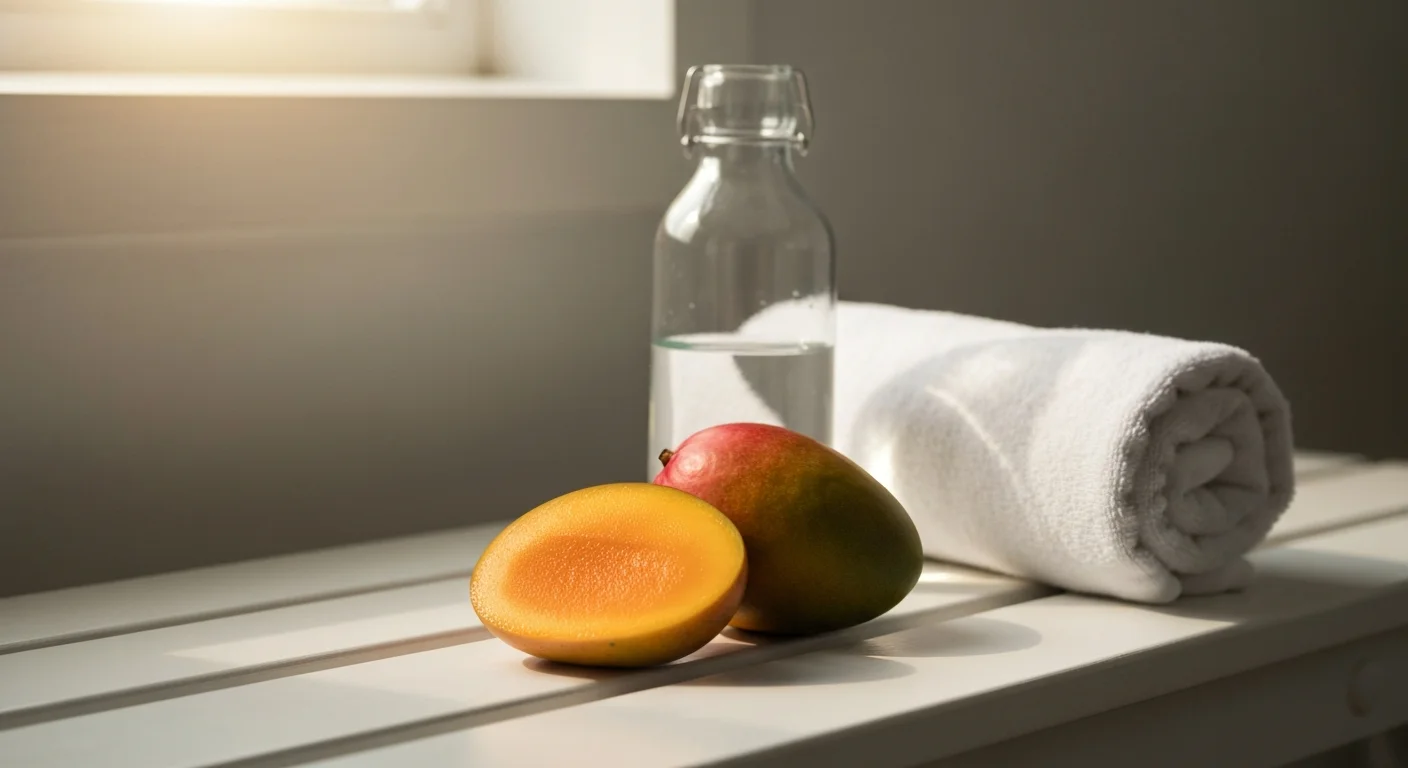
  • Post-Workout Mango: Why Athletes Choose It Over Banana

    Post-Workout Mango: Why Athletes Choose It Over Banana

    Mango offers a compelling post-workout profile that rivals banana, delivering comparable potassium and natural carbohydrate for glycogen replenishment while providing substantially more vitamin C, beta-carotene, and the polyphenol mangiferin, all of which support oxidative-stress recovery and immune function after intense exercise. For Texas athletes training in 95-degree heat and humidity, the combination of water content, electrolytes, and antioxidants in a ripe Alphonso or Kesar is hard to beat. This post compares the two fruits head to head, walks through the underlying exercise-science research, and offers practical post-workout eating strategies for cyclists, runners, lifters, and recreational athletes across Austin, Dallas, Houston, and San Antonio.

    Our team has personally fed a lot of post-ride and post-run mango to our own families and to customers, and we have heard enthusiastic feedback from amateur triathletes, tennis players, and marathon runners across Texas. Here is what the science says and why mango deserves a regular spot in your recovery rotation.

    What the Body Needs After Exercise

    Post-workout nutrition aims to accomplish four things:

    1. Replenish muscle glycogen
    2. Restore fluid and electrolyte balance
    3. Provide amino acids for muscle protein synthesis
    4. Mitigate oxidative stress and inflammation

    Mango addresses the first, second, and fourth better than banana. Neither fruit is a meaningful protein source, which is why we suggest pairing either with Greek yogurt, a protein shake, or cottage cheese.

    Mango vs Banana: Head-to-Head Nutrition

    Per USDA FoodData Central data for raw mango (NDB #09176) and raw banana (NDB #09040), here is how a 150-gram serving of each compares:

    NutrientMango (150 g)Banana (150 g)Winner for Athletes
    Calories90 kcal134 kcalDepends on goal
    Carbohydrate22.5 g34.4 gBanana (more glycogen fuel)
    Sugar20.6 g18.4 gSimilar
    Fiber2.5 g3.9 gBanana
    Potassium252 mg537 mgBanana
    Magnesium15 mg40.5 mgBanana
    Vitamin C55 mg13 mgMango
    Vitamin A (RAE)84 mcg4.5 mcgMango (massively)
    Folate65 mcg30 mcgMango
    Water content~84%~75%Mango (hydration)
    Polyphenols (mangiferin)30 to 180 mgLowMango

    Banana wins on total carbohydrate, fiber, and potassium. Mango wins on hydration, vitamin C, vitamin A, folate, and polyphenol content. Neither is clearly superior; both are excellent. The right choice depends on training context.

    When Mango Shines

    Hot-Weather Training

    Texas summer workouts produce substantial sweat losses and oxidative stress from heat. Mango’s higher water content and vitamin C provide both rehydration and antioxidant support. A 2017 study in Journal of the International Society of Sports Nutrition showed that fruits with higher vitamin C content produced greater reductions in post-exercise oxidative stress markers compared with lower-vitamin-C matched controls.

    Long Endurance Sessions

    After 90-plus minute endurance workouts, inflammation markers like IL-6 and CRP spike. Mangiferin and other mango polyphenols have been shown in preclinical research to dampen NF-kappaB signaling, the pathway that drives much of post-exercise inflammation.

    Immune Support During Heavy Training

    Vitamin C supports immune function, and heavy training blocks can temporarily suppress immunity. A 200-gram mango provides about 80 percent of the adult RDA for vitamin C, making it a natural fit for athletes in Texas hot-weather training camps.

    When Banana Is Better

    Quick Glycogen Replenishment

    Banana’s higher total carbohydrate and slightly higher glycemic index give it a small edge for rapid glycogen restoration in the 30-minute window after extremely depleting sessions.

    Cramp-Prone Athletes

    Banana’s much higher potassium content, 537 mg versus 252 mg for mango, is a practical advantage for athletes who cramp frequently. A simple solution is to eat both.

    The Ideal Post-Workout Plate

    Our team’s simple formula for Texas athletes training April through July, when our nine varieties are in season:

    • 150 to 200 grams mango, cubed
    • 200 grams Greek yogurt (protein, additional potassium, calcium)
    • 1 tablespoon chia or flax seeds (omega-3, fiber)
    • Optional pinch of sea salt to replace sodium losses
    • Large glass of water or electrolyte drink

    This combination delivers roughly 30 grams of protein, 40 grams of carbohydrate, 600 mg of potassium, 110 mg of vitamin C, and a meaningful dose of mangiferin in about 350 calories.

    What the Exercise Research Shows

    Polyphenols and Recovery

    A 2015 meta-analysis in Sports Medicine pooled 14 randomized trials of polyphenol-rich foods including tart cherry, pomegranate, and berries. Polyphenol supplementation modestly but significantly reduced post-exercise muscle soreness and accelerated strength recovery. Mango was not tested directly, but its polyphenol profile overlaps substantially.

    Vitamin C and DOMS

    Research on vitamin C for delayed onset muscle soreness is mixed. Very high-dose supplements may blunt training adaptations, but food-level intake from fruits like mango does not appear to cause this problem and likely supports recovery.

    Natural Sugars and Performance

    A 2012 study in Applied Physiology, Nutrition, and Metabolism compared banana to a sports drink during cycling and found similar performance. Mango in a similar capacity has been used informally in cycling and running events but has less formal research.

    Pre-Workout Mango?

    Mango works well pre-workout too, 60 to 90 minutes before training. The combination of rapid sugars, water, and micronutrients gives a gentle lift without the crash some people experience from processed pre-workout products. Our Texas athletes often blend half a ripe mango into a smoothie with almond milk and a scoop of protein.

    Which of the Nine Varieties Is Best for Athletes?

    All nine work. Alphonso and Kesar are sweet and aromatic, excellent post-workout for flavor-driven satisfaction. Banginapalli and Himayath have slightly firmer flesh, good for chopping into yogurt bowls. Totapuri is slightly tart, which some athletes prefer. Mallika and Chinna Rasalu are fiber-rich. Suvarna Rekha and Dasheri offer balanced sweetness. Rotating varieties across the Texas season is a simple way to keep post-workout meals interesting.

    Hydration and Heat Acclimation in Texas

    Summer training in Texas often means core body temperatures approaching 39 degrees Celsius during long workouts. Sweat rates of 1 to 2 liters per hour are common for cyclists and runners in Austin, Dallas, Houston, and San Antonio heat. Food-based hydration, where you eat water-rich produce alongside drinking fluids, improves overall fluid balance compared with drinking water alone. Mango at 84 percent water, combined with its modest sodium and significant potassium, contributes to this rehydration strategy. A post-ride plate of cubed Alphonso, Greek yogurt, and a pinch of sea salt is a practical real-world recovery meal for Texas heat training.

    Electrolyte Math

    A typical 150-gram mango serving provides about 252 mg potassium and 1.5 mg sodium, so mango alone is potassium-dominant. Pair it with salted nuts, cottage cheese, or a small sprinkle of salt to restore sodium lost in sweat. Athletes who cramp should not rely on mango alone for electrolyte replacement but can use it as one component of a broader strategy.

    Practical Storage for Athletes

    If you train daily and want mango ready on demand:

    • Ripen 2 to 3 mangoes at a time at room temperature
    • Once fully ripe, refrigerate and use within 4 days
    • Cube extra ripe flesh and freeze in silicone molds for smoothies
    • Avoid pre-cutting and leaving at room temperature, as oxidation reduces vitamin C

    FAQ

    Should I eat mango before or after a workout?

    Both work, and it depends on your schedule. Eating mango 60 to 90 minutes before a session provides gentle carbohydrate fuel. Eating it within 30 to 60 minutes after a session supports glycogen replenishment and antioxidant recovery. Texas athletes who train in the morning often do post-workout mango at breakfast; evening trainers often do it as a pre-bed snack with yogurt.

    Is mango better than a commercial sports drink?

    For most recreational athletes, a whole-food option like mango combined with water is comparable to or better than a commercial sports drink for the post-exercise window because it also provides fiber, vitamins, and polyphenols. For competitive endurance athletes working in extreme heat or sessions over 90 minutes, adding a sodium source is worthwhile, since mango contains very little sodium.

    Will mango spike my blood sugar after a workout?

    After intense exercise, muscles are glycogen-depleted and absorb glucose rapidly, which blunts the blood sugar spike you might see at rest. Mango’s glycemic impact in the post-exercise window is smaller than at other times of day. If you have diabetes, monitor individually, but most healthy adults tolerate post-workout mango very well.

    Can I drink a mango smoothie as a meal replacement?A well-constructed mango smoothie with protein, fat, and fiber can function as a small meal, but plain mango blended with water is a snack, not a meal. For post-workout recovery, we suggest adding Greek yogurt or a protein scoop, a fat source like almond butter, and a fiber boost from chia or flax. This converts a 150-calorie snack into a 350 to 500 calorie recovery meal.

    Are frozen mango cubes as good as fresh for athletes?Frozen mango retains most of its vitamin C, beta-carotene, and polyphenols, though some losses occur during freezing and storage. For smoothie use, frozen is essentially equivalent to fresh and is more convenient year-round for Texas athletes training outside our April-to-July fresh mango season. Avoid frozen mango with added sugar or syrup.

    See our variety guide, our mangiferin research summary, and place an order at Texas order form.

    Not medical advice. Consult your doctor for specific conditions. Sources: PubMed, USDA FoodData Central, National Mango Board.

Chat on WhatsApp