Tag: texas

  • Aam Panna: India’s Original Electrolyte Drink Recipe

    Aam Panna: India’s Original Electrolyte Drink Recipe

    Before Gatorade, before Liquid IV, before every electrolyte brand on Instagram — India had aam panna. A raw mango drink that has been keeping people alive through 115-degree Indian summers for centuries. Texas summers run to 105 degrees. You need this.

    This is not a trendy wellness drink repackaged with a Sanskrit name. Aam panna is a working-class survival drink that grandmothers in Rajasthan, Gujarat, and Uttar Pradesh have been making every summer since before anyone thought to put electrolytes in a neon-colored bottle. The fact that it tastes incredible is almost beside the point — it was designed to keep people standing in brutal heat.


    What Is Aam Panna?

    Aam panna is a cooked raw mango drink spiced with cumin, mint, and black salt. It is tart, sweet, salty, and refreshing in a way that no commercial sports drink can match. In India, it is given to people suffering from heat exhaustion as a natural remedy.

    The raw mango provides Vitamin C, the salt replaces sodium lost through sweat, the cumin aids digestion, and the mint cools the body. It is a complete rehydration package disguised as a delicious drink.

    In Ayurvedic tradition, aam panna is classified as a cooling drink that balances pitta — the body’s heat energy. Whether or not you follow Ayurveda, the practical effect is undeniable: a glass of aam panna after outdoor work brings your body temperature down and restores energy faster than water alone. The combination of sodium, potassium, Vitamin C, and organic acids creates a rehydration profile that modern sports science would call well-designed — India just figured it out a few hundred years earlier.

    The name itself tells you what it is: “aam” means mango, “panna” comes from “panha” in Marathi, meaning drink. In different parts of India, it goes by different names — aam ka panna in Hindi, kairichi panha in Marathi, manga paanakam in Telugu. The recipe varies slightly by region, but the core idea is the same everywhere: cook raw mango, spice it, salt it, dilute it, drink it in the heat.

    Choosing the Right Mango for Aam Panna

    This is critical: aam panna must be made with raw, unripe mangoes. Do not use ripe mangoes. The tartness of raw mango is what makes aam panna work — it provides the sourness, the Vitamin C content, and the specific flavor that defines the drink.

    Totapuri is the traditional and best choice for aam panna. It is large, firm, and has the right level of tartness even when slightly mature. The flesh cooks down into a smooth, pale-green pulp that makes a beautiful concentrate. If you cannot find Totapuri, any firm unripe Indian mango will work.

    Some people use raw Alphonso or Kesar that are not yet ripe. These produce a slightly more aromatic aam panna, but the flavor profile is different from the classic version. The trade-off is worth experimenting with — raw Alphonso gives the drink a floral note that Totapuri does not have.

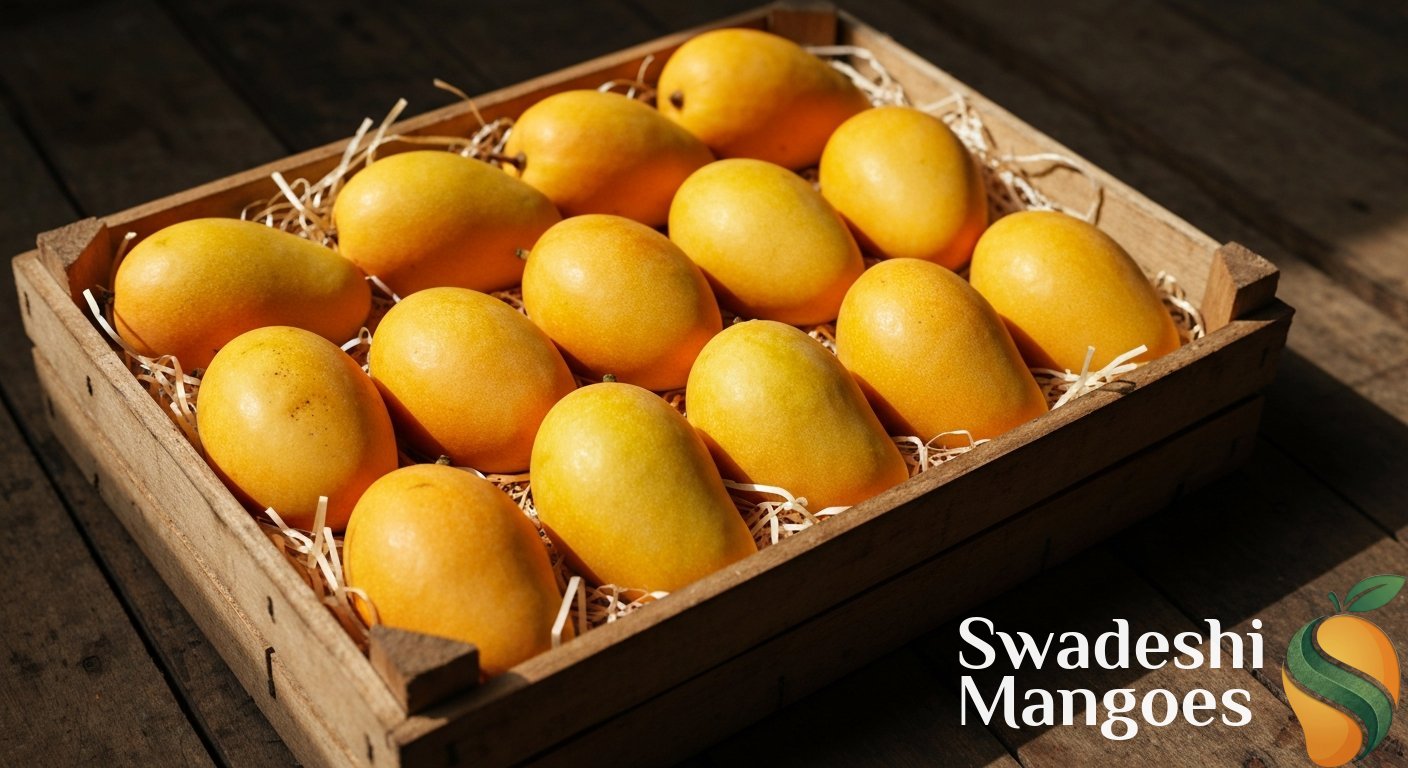
    Avoid using store-bought Mexican or South American mango varieties for aam panna. They lack the tartness and aromatic complexity of Indian varieties, and the result tastes flat. This is one recipe where the variety of mango genuinely matters. Check our varieties page to see which raw mangoes are available this season.

    Classic Aam Panna Recipe

    Ingredients:

    • 2 large raw (unripe) mangoes — Totapuri works best
    • 1 cup sugar or jaggery (adjust to taste)
    • 1 tsp roasted cumin powder
    • Half tsp black salt (kala namak)
    • Regular salt to taste
    • 10-12 fresh mint leaves
    • Half tsp black pepper (optional)
    • Cold water and ice

    Method:

    1. Cook the mangoes: Pressure cook raw mangoes with 1 cup water for 2 whistles. Or boil in a pot for 20-25 minutes until the skin splits and the flesh is soft. You can also roast them directly over a gas flame until the skin chars and the flesh inside becomes soft — this is the traditional method and adds a subtle smoky flavor that elevates the drink.
    2. Extract the pulp: Let them cool, then peel and squeeze out all the pulp. Discard the seed and skin. You want every bit of flesh — scrape the seed clean.
    3. Make the concentrate: Blend the pulp with sugar, cumin powder, black salt, regular salt, mint leaves, and black pepper until smooth. Taste and adjust — the concentrate should be intensely flavored because it will be diluted with water.
    4. Serve: Add 2-3 tablespoons of concentrate to a glass of cold water. Stir, add ice, garnish with mint.

    The concentrate stores in the refrigerator for up to 2 weeks. Make a big batch and you have instant aam panna all month.

    Jaggery vs. sugar: Traditional recipes use jaggery (unrefined cane sugar), which adds a deeper, more complex sweetness with notes of caramel. Jaggery also contains trace minerals like iron and potassium, making the drink marginally more nutritious. White sugar works fine and produces a cleaner, brighter flavor. Try both and decide which you prefer. If using jaggery, dissolve it in warm water first to remove any grit.

    Why It Works Better Than Sports Drinks

    NutrientAam Panna (1 glass)Gatorade (1 glass)
    Vitamin C~40mg0mg
    SodiumNatural (black salt)Synthetic
    SugarNatural (jaggery option)High fructose corn syrup
    Artificial colorNoneYellow 5, Red 40
    ProbioticsIf made with jaggeryNone

    The comparison goes deeper than this table. Aam panna contains organic acids — citric acid and malic acid — from the raw mango that help the body absorb minerals more efficiently. Black salt (kala namak) provides sodium along with trace amounts of sulfur compounds that aid digestion. And the roasted cumin acts as a carminative, preventing the bloating that can happen when you drink large volumes of liquid quickly after exercise.

    Commercial sports drinks were engineered in a lab to replace electrolytes. Aam panna was engineered by centuries of trial and error by people who worked outdoors in 115-degree heat without air conditioning. Both approaches work. One tastes like artificial lime. The other tastes like something you actually want to drink.

    Variations

    • Spicy aam panna: Add a green chili to the blend. The heat plus the tartness is incredible on a hot day. This is common in Rajasthan, where they like everything with a kick.
    • Aam panna soda: Mix the concentrate with sparkling water instead of still water. Instant artisan soda. Serve in a tall glass with a sprig of mint and it looks like something from a craft cocktail bar.
    • Aam panna popsicles: Pour the diluted drink into popsicle molds. Kids love these, and they are a far healthier frozen treat than anything in the grocery store freezer aisle.
    • Aam panna cocktail: For adults — mix the concentrate with vodka or white rum, sparkling water, and a squeeze of lime. It is the best summer cocktail you have never tried.
    • Aam panna with fennel: Replace the cumin with fennel seed powder for a slightly sweeter, more anise-like flavor. This variation is popular in parts of Maharashtra.

    Tips for the Best Aam Panna

    After making aam panna dozens of times over the years, here are the details that make the difference between good and exceptional:

    Roast the cumin fresh. Pre-ground cumin powder from a jar works, but freshly roasted cumin seeds ground in a mortar make a noticeable difference. Dry-roast whole cumin seeds in a pan for 2 minutes until fragrant, then crush. The aroma is incomparable.

    Do not skip the black salt. Regular table salt alone will not give you the same flavor. Black salt has a sulfurous, slightly egg-like quality that sounds unappealing but is essential to the drink’s character. It is what makes aam panna taste like aam panna rather than a generic mango drink. You can find black salt at any Indian grocery store in Texas.

    Let the concentrate rest overnight. Freshly made concentrate is good, but concentrate that has sat in the refrigerator overnight is better. The flavors meld and the cumin integrates more fully. Think of it like a curry that tastes better the next day.

    Adjust sweetness to the mango. Some raw mangoes are more tart than others. Taste the pulp before adding sugar and adjust accordingly. The drink should be primarily tart with sweetness as a supporting note — not the other way around. If you make it too sweet, you lose the whole point.

    How to Store and Batch-Prep for the Season

    Serious aam panna drinkers make a season’s worth of concentrate at once. Here is how:

    1. Order a box of raw Totapuri mangoes early in the season when they are at peak tartness.
    2. Cook all the mangoes at once — pressure cooking is fastest for large batches.
    3. Make a large batch of concentrate, portion into glass jars or freezer-safe containers.
    4. Refrigerated concentrate keeps for 2 weeks. Frozen concentrate keeps for 3-4 months.
    5. To serve from frozen, thaw a jar in the refrigerator overnight. Stir well before diluting.

    One box of Totapuri (approximately 3 kg) yields enough concentrate for roughly 30-40 glasses of aam panna. That is an entire summer of rehydration from a single box of mangoes.

    Perfect for Texas Summers

    Keep a jar of aam panna concentrate in your fridge from April through August. After mowing the lawn, after a kid’s soccer game, after any outdoor activity — a glass of aam panna will rehydrate you faster and taste better than anything in a plastic bottle.

    Texas and India share more climate DNA than most people realize. The brutal, sustained heat. The humidity that makes 95 degrees feel like 110. The way the sun sits on top of you from May through September like it has a personal grudge. Aam panna was designed for exactly this kind of climate. It is not a coincidence that the drink feels perfectly suited to a Texas summer — the conditions it was invented for are remarkably similar.

    If you have kids who play outdoor sports in the Texas heat, aam panna concentrate in their water bottle is a genuine upgrade over commercial sports drinks. It tastes better, has no artificial ingredients, and provides Vitamin C that supports recovery. More parents in our delivery area have started doing this, and the feedback has been overwhelmingly positive.

    Order raw Totapuri mangoes for your aam panna batch. Check our FAQ page for questions about ordering raw mangoes.

    Beat the Texas Heat

    Texas summers regularly hit 100 degrees and above. Aam panna is the perfect antidote. Order raw Totapuri mangoes from Swadeshi for your batch — we deliver to Austin, Dallas, Houston, and San Antonio. Explore all our mango varieties and visit our blog for more traditional mango drink recipes and ideas.

    Frequently Asked Questions

    What is aam panna?

    Aam panna is a traditional Indian drink made from cooked raw mango, spiced with cumin, mint, and black salt. It is a natural electrolyte drink that has been used for centuries to prevent heat exhaustion.

    Which mango variety is best for aam panna?

    Raw (unripe) Totapuri is the traditional choice — firm and tart. Any unripe Indian mango works. Do not use ripe mangoes — aam panna requires the sourness of raw mango.

    How long does aam panna concentrate last?

    Refrigerated concentrate keeps for up to 2 weeks. Frozen concentrate keeps for 3-4 months. Store in glass jars or freezer-safe containers and thaw in the refrigerator overnight before use.

    Can I use jaggery instead of sugar?

    Yes, and many traditional recipes prefer it. Jaggery adds a deeper, more complex sweetness along with trace minerals like iron and potassium. Dissolve jaggery in warm water first to remove any grit before blending into the concentrate.

  • How to Freeze Mangoes for Year-Round Enjoyment

    How to Freeze Mangoes for Year-Round Enjoyment

    The season lasts 2-3 months. Your mango cravings last 12. The solution is simple: freeze them during season and enjoy mango smoothies, desserts, and lassi all year round.

    If you have ever experienced the particular sadness of opening your freezer in October and finding nothing but ice cubes and forgotten peas, this guide is for you. With the right technique, you can freeze Indian mangoes during their April-through-July peak and enjoy them through December, January, and beyond. The key word is “right technique” — because there is a wrong way to freeze mangoes, and most people discover it the hard way with a bag of flavorless, watery mush.

    We have been helping families across Texas stock their freezers during Swadeshi mango season, and the customers who freeze extra boxes are the ones who thank us the most come autumn. Here is everything we have learned about doing it properly.


    The Right Way to Freeze Mangoes

    Frozen correctly, Indian mangoes retain 90% of their flavor and nutrition for up to 8 months. Frozen incorrectly, they turn into watery, flavorless ice cubes. Here is the right way:

    Step 1: Choose Ripe Mangoes

    Only freeze fully ripe mangoes. Unripe mangoes will not develop more sweetness in the freezer — they will just be sour ice chunks. The mango should be fragrant, slightly soft, and at peak eating ripeness.

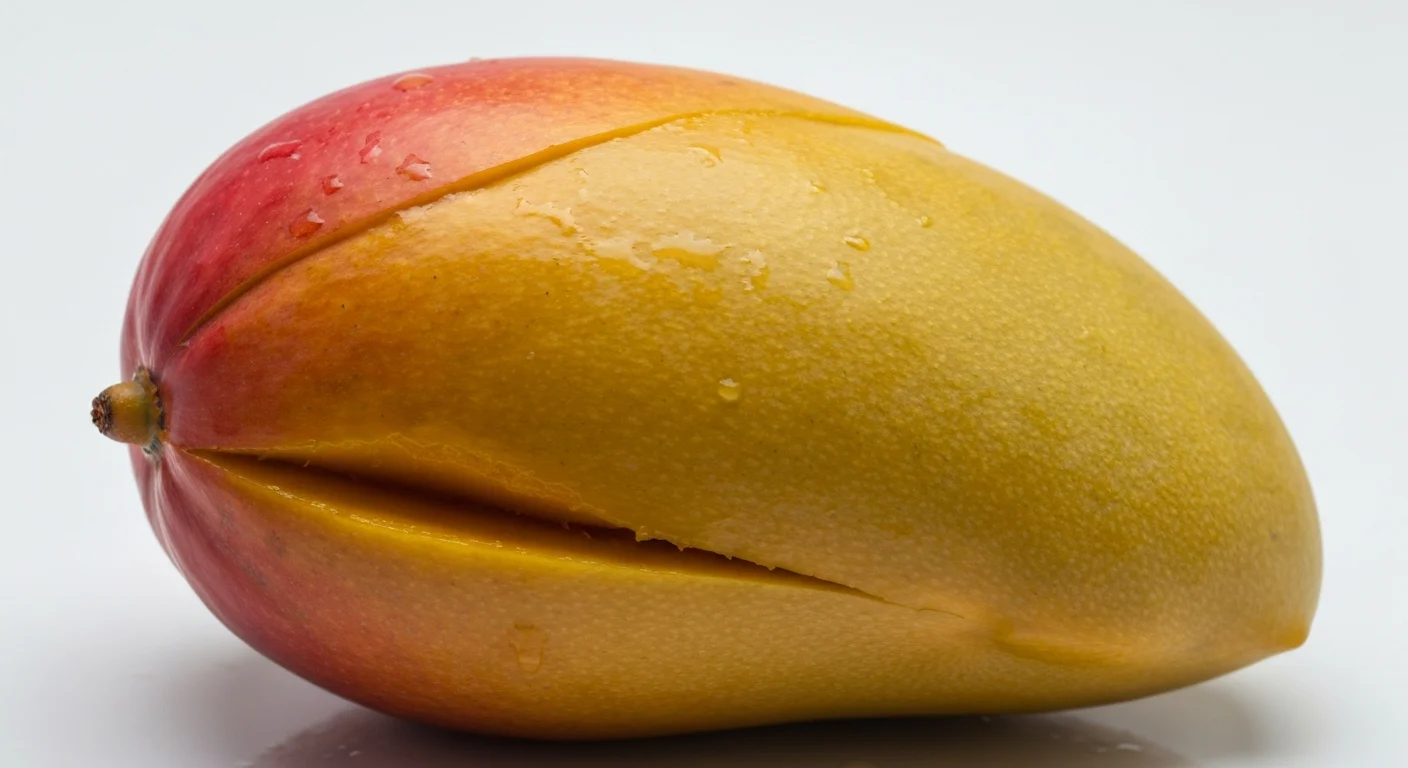
    How do you know when a mango is at the perfect stage for freezing? It should smell intensely of mango at the stem end — that fragrance is the clearest indicator of full ripeness. When you press gently, it should yield slightly, like a ripe avocado, but not feel mushy. The skin color is less reliable since it varies by variety: Alphonso turns golden yellow, Kesar stays partly green even when ripe, and Banganapalli becomes a uniform bright yellow. Trust your nose and touch over your eyes.

    If you received your Swadeshi delivery and the mangoes are not quite ripe yet, let them ripen at room temperature for 1-3 days before freezing. Our complete guide on how to store and ripen Indian mangoes covers the best techniques for each variety. Check our ripening and care guide for detailed instructions on bringing each variety to peak ripeness. Do not rush this step — freezing a mango one day too early will lock in that unripe flavor permanently.

    Step 2: Peel and Cut

    Peel the mango and cut the flesh into cubes (about 1-inch). Alternatively, scoop the pulp with a spoon if you plan to use it for smoothies or aam ras. Both methods work.

    A few notes on cutting for freezing specifically. Cubes should be roughly uniform in size — this ensures they freeze at the same rate and thaw evenly later. If some pieces are thick and some are paper-thin, the thin ones will develop freezer burn before the thick ones are properly frozen. For Alphonso and Kesar, which have very soft, fiber-free flesh, you may find it easier to score the mango halves into a grid pattern and then scoop the cubes out with a spoon. For firmer varieties like Totapuri or Banganapalli, a sharp knife works best.

    One important tip: work quickly once you start cutting. Mango flesh oxidizes when exposed to air, which can affect the color (though not the flavor). If you are processing multiple boxes, cut and tray-freeze in batches rather than peeling everything at once and letting it sit.

    Step 3: Flash Freeze First

    This is the critical step most people skip. Spread the mango pieces on a parchment-lined baking sheet in a single layer, not touching. Freeze for 2-3 hours until solid.

    If you skip this and dump everything into a bag, you will get one solid mango brick that you have to thaw entirely to use. Flash freezing keeps the pieces separate so you can grab exactly what you need.

    Here is why flash freezing works at a basic level: when mango pieces freeze slowly in a clump, large ice crystals form inside the fruit cells and rupture the cell walls. When you thaw that clump, the water leaks out and you are left with mushy, watery mango. Flash freezing each piece individually causes small ice crystals to form, which preserves the cell structure. The result is mango that thaws with most of its original texture and juiciness intact.

    If your freezer is small and you cannot fit a full baking sheet, use plates or cutting boards — anything that gives you a flat surface with pieces in a single layer. Stack multiple layers with parchment paper between them if needed. Just make sure no pieces are touching.

    Step 4: Pack and Store

    Transfer frozen pieces into zip-lock freezer bags. Squeeze out as much air as possible — air causes freezer burn. Label each bag with the variety and date.

    Portion tip: Pack in 1-cup portions. One cup is exactly what you need for one smoothie or one serving of aam ras.

    Labeling is more important than you think. By August, you will have multiple bags in your freezer and will not remember which variety is which. Alphonso chunks look similar to Kesar chunks once they are frozen. Write the variety name, the date frozen, and the number of cups on each bag with a permanent marker. Some of our customers use different colored bags for different varieties, which is a clever system.

    Vacuum Sealing: The Upgrade That Doubles Shelf Life

    If you are serious about freezing mangoes — and by “serious” I mean processing 4 or more boxes per season — invest in a vacuum sealer. A basic FoodSaver unit costs $40-60 and pays for itself in the first season by dramatically extending how long your frozen mangoes taste fresh.

    Vacuum-sealed mango chunks last up to 12 months in the freezer compared to 6-8 months in zip-lock bags. The difference is air. Even with careful squeezing, zip-lock bags retain some air, and that air causes freezer burn over time. Freezer burn does not make the mango unsafe to eat, but it destroys flavor and texture — the very things you are trying to preserve.

    When vacuum sealing, make sure the mango pieces are fully frozen before sealing. If you try to vacuum seal fresh or semi-frozen chunks, the machine will crush them and pull juice into the seal, which can prevent a proper closure. Flash freeze first, then vacuum seal the frozen pieces. The bags will be rock-solid and stackable, making them much easier to organize in your freezer than floppy zip-lock bags.

    What to Do with Frozen Mangoes

    • Smoothies and smoothie bowls: Use directly from frozen. No thawing needed.
    • Ice cream: Blend frozen chunks until creamy. Two ingredients, zero effort. See our guide to making mango ice cream without a machine.
    • Aam ras: Thaw at room temperature for 20 minutes, then blend with a splash of milk and cardamom.
    • Lassi: Blend frozen chunks with yogurt. The frozen mango replaces ice cubes.
    • Baking: Thaw and use in mango cake, mango muffins, or mango cheesecake.
    • Baby food: Thaw and mash. Perfect portion-controlled baby meals.

    A few more ideas that our customers have shared with us over the years: frozen mango chunks dropped into a glass of sparkling water make a beautiful, naturally flavored drink for dinner parties. Mango puree cubes stirred into oatmeal on a cold January morning transform a boring breakfast into something worth waking up for. And mango chunks tossed into a weekend pancake batter create golden pockets of sweetness that kids (and adults) go crazy for.

    The point is this: frozen Indian mangoes are not a compromise. They are a pantry staple that opens up possibilities you would never have if you only ate fresh mangoes during the 2-3 month season.

    Freezing Mango Pulp

    If you prefer pulp over chunks, blend fresh ripe mangoes into a smooth puree and pour into ice cube trays. Once frozen, pop the cubes into a freezer bag. Each cube is approximately 2 tablespoons — perfect for adding to yogurt, oatmeal, or cocktails.

    Pulp cubes are especially useful for recipes where you need a precise amount of mango flavor without chunks. Two cubes stirred into a cup of warm chai creates an instant mango chai that tastes like something from a specialty tea shop. Four cubes blended with yogurt and cardamom gives you a single-serving mango lassi in under a minute. Six cubes are enough for a small batch of mango popsicles for the kids.

    For the absolute best pulp, use Alphonso — its naturally thick, fiber-free flesh blends into a smooth puree without straining. Kesar is the second-best choice for pulp, with a slightly thinner consistency but an incredible aroma that perfumes whatever you add it to. Varieties with more fiber, like Totapuri, are better frozen as chunks than as pulp.

    If you have silicone ice cube trays, use those instead of hard plastic — the frozen cubes pop out much more easily. You can also use silicone muffin molds for larger portions (roughly half a cup each), which are better for recipes that need more mango per serving.

    How Long Does Frozen Mango Last?

    • Freezer bags with air removed: 6-8 months
    • Vacuum sealed: Up to 12 months
    • After 8 months: Still safe to eat but flavor and texture degrade

    To put this in practical terms: if you freeze mangoes from your April delivery, zip-lock bags will carry you through October-November. Vacuum-sealed bags will last through the following March, right up until the new season starts. That means you can literally have Indian mangoes 12 months a year if you plan your freezing properly.

    Common Freezing Mistakes to Avoid

    We have heard from enough customers over the years to compile a list of the most common mistakes. Avoid these and your frozen mangoes will taste significantly better:

    • Freezing unripe mangoes: The freezer is not a ripening chamber. If a mango is not sweet and fragrant before freezing, it will not be sweet and fragrant after. Always ripen fully first.
    • Skipping flash freeze: You will regret it the first time you try to pry individual chunks out of a frozen mango brick with a butter knife. Flash freeze on a tray first. Always.
    • Using regular storage bags: Zip-lock freezer bags are thicker than regular zip-lock bags and resist freezer burn much better. The 50-cent difference per bag is worth it.
    • Overfilling bags: Leave some room in each bag. Mango expands slightly as it freezes, and overfull bags are hard to stack and seal properly.
    • Forgetting to label: All frozen mango looks the same after a month. Label every bag with variety, date, and portion size.
    • Thawing and refreezing: Never refreeze mango that has been thawed. Each freeze-thaw cycle breaks down more cell walls, and by the second refreeze the texture is unrecoverable. Only thaw what you plan to use.

    The Math

    If you order 4 extra boxes during season (about $200-$240) and freeze them properly, you have 8 months of mango smoothies, ice cream, and desserts. That works out to less than $1 per serving. Try finding that deal at Whole Foods in November.

    Let us break it down more specifically. Four boxes of Alphonso at $50-$60 each gives you roughly 24-48 mangoes (6-12 per box × 4 boxes, size-dependent). Each mango yields about 1 to 1.5 cups of chunks. That is 24-48 cups of frozen mango. If each smoothie or dessert serving uses 1 cup, you have somewhere between 24 and 48 servings. At about $220 total, that is $4.50-9 per serving for genuine Indian mango — in November, when the only mango available at the store is a sad, mealy Tommy Atkins that traveled 2,000 miles by truck.

    Many of our repeat customers order their “eating boxes” and their “freezing boxes” separately. They will order 2 boxes per week for fresh eating and then place a larger order of 4-6 boxes during peak season specifically for the freezer. If you want to do this, watch for our peak season announcements on the blog and in the WhatsApp groups — that is when variety selection is widest and supply is most reliable.

    Order extra boxes this season and stock your freezer.

    Stock Up During Texas Mango Season

    Swadeshi delivers fresh Indian mangoes weekly from April through July across Austin, Dallas, Houston, and San Antonio. Order extra boxes during peak season and follow this guide to enjoy mangoes through December. See our ice cream recipes for the best use of frozen mangoes.

    Frequently Asked Questions

    How long do frozen mangoes last?

    In zip-lock bags with air removed: 6-8 months. Vacuum sealed: up to 12 months. After 8 months, still safe but flavor and texture degrade. Label every bag with the date so you use the oldest ones first.

    Can you freeze whole mangoes?

    Not recommended. Whole frozen mangoes are difficult to peel and the texture breaks down unevenly. Always peel, cube, and flash freeze on a tray before bagging.

    Which mango variety freezes best?

    Alphonso freezes exceptionally well because its dense, fiber-free flesh holds up to the freeze-thaw process. Kesar retains its aroma beautifully. Banganapalli works great for chunks due to its firm texture. Check all varieties to plan your freezing order.

    Do I need a vacuum sealer?

    Not required, but recommended if you plan to freeze more than 2 boxes. Vacuum-sealed mango lasts up to 12 months versus 6-8 months in zip-lock bags. A basic vacuum sealer costs $40-60 and pays for itself in preserved mango quality over one season.

Chat on WhatsApp