Category: Mango Health

  • Mango vs Summer Fruits: Nutrition Head-to-Head

    Mango vs Summer Fruits: Nutrition Head-to-Head

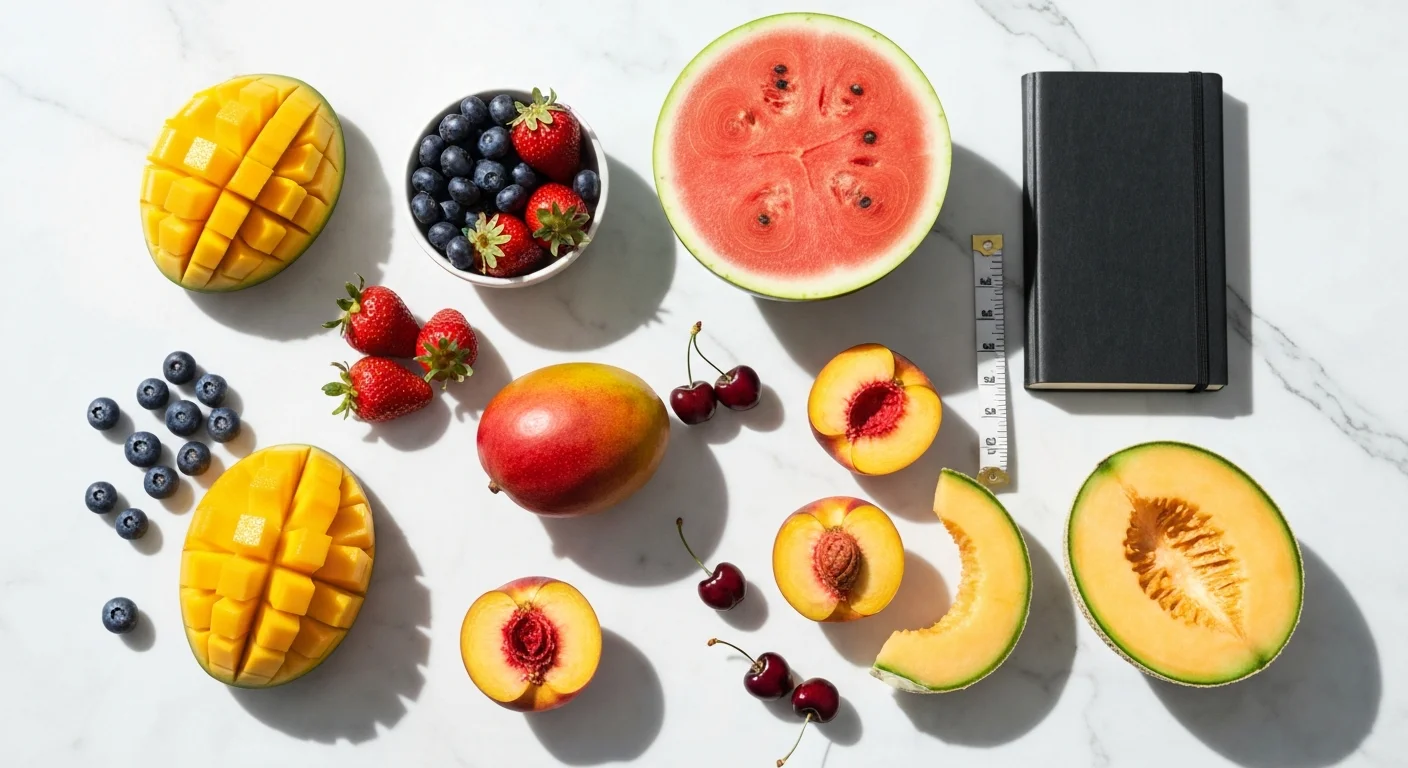
    Mango ranks at or near the top across vitamin A, vitamin C, folate, and polyphenol density compared to other summer fruits. Per 100 g, mango delivers 21 percent DV vitamin C, 11 percent DV vitamin A, and roughly 1,690 mg gallic acid equivalents in polyphenols, outperforming watermelon, peach, strawberry, and cantaloupe on combined micronutrient density while matching them on hydration.

    Why Head-to-Head Matters

    Texas summers push the body hard. A Houston afternoon with 95 percent humidity or a Lubbock afternoon at 105 degrees Fahrenheit drives fluid losses of 1 to 2 liters per hour of outdoor activity. Summer fruits replace water, electrolytes, and phytochemicals that blunt heat-driven oxidative stress. But not all summer fruits are nutritionally equal, and the right mix supports performance, immunity, and mood across the hot months.

    Ground Rules for Comparison

    All nutrient values are drawn from USDA FoodData Central, normalized to 100 g edible portion. Polyphenol values use the Phenol-Explorer database where available. Indian mango (cultivar-specific polyphenol data from the National Mango Board) is used where different from generic FDC entries.

    The Big Table

    Fruit (100 g)CaloriesVitamin C (%DV)Vitamin A (%DV)Folate (%DV)Potassium (mg)Fiber (g)Water (%)
    Mango (raw, NDB 09176)604111111681.683
    Watermelon309311120.492
    Peach397311901.589
    Strawberry3265061532.091
    Blueberry571612772.484
    Cantaloupe34406852670.990
    Cherry638112222.182

    Category Winners

    Vitamin C

    Strawberry takes the top slot for sheer vitamin C density at 65 percent DV per 100 g. Mango holds second at 41 percent DV, tied with cantaloupe. Both mango and strawberry deliver more than a full day’s vitamin C in a single cup, making them top picks for immune support during the summer cold season.

    Vitamin A

    Cantaloupe wins on vitamin A thanks to its orange flesh. Mango, especially Indian varieties with deep orange pulp, ranks second. A 2019 Food Chemistry paper measured Alphonso beta-carotene at 3,800 micrograms per 100 g, considerably higher than the generic USDA figure, because the FDC entry represents a blend of cultivars.

    Polyphenols

    Blueberry is famously polyphenol-rich, scoring roughly 560 mg per 100 g in anthocyanins alone. Indian mango, often overlooked, scores approximately 1,690 mg per 100 g in total polyphenols when measured by Folin-Ciocalteu on Alphonso pulp. That includes mangiferin, gallic acid, quercetin, and a family of xanthones. On total polyphenol density, mango often edges out blueberry when Indian cultivars are tested directly.

    Potassium

    Cantaloupe leads at 267 mg per 100 g, followed by cherry and peach. Mango’s 168 mg is mid-pack but still meaningful for heat-driven electrolyte replacement.

    Fiber

    Blueberry and cherry tie for top fiber density. Mango’s 1.6 g per 100 g is moderate but arrives with a higher total volume per serving since a typical mango serving is 165 g.

    Beyond Numbers: Functional Fit

    Nutrition tables miss the functional context. Watermelon’s lycopene is heat-stable and supports skin protection during Texas sun exposure. Strawberry’s ellagic acid has been linked in a 2020 Journal of Functional Foods study to improved endothelial function. Mango’s mangiferin is an AMPK activator studied for metabolic health. A smart summer fruit strategy includes rotation rather than reliance on one champion.

    Glycemic Load Snapshot

    Glycemic loads per typical serving: watermelon 5, peach 5, cherry 6, mango 8, strawberry 3, blueberry 5, cantaloupe 4. All fruits remain in the low-GL category except when juiced or dried.

    Texas Seasonality

    In Texas, Indian mango arrives April through July. Local peaches peak June through early August. Watermelon saturates markets May through September. Strawberries are best January through April in the Gulf region. Blueberries peak late April through June in East Texas. This timing creates a natural handoff: mango carries the first half of the heat months, with watermelon and peaches filling in through late summer.

    Sourcing Matters

    Imported fruit loses polyphenol density during cold storage and transport. A 2021 Food Chemistry study found a 20 to 30 percent drop in total polyphenols in fruit held in cold storage for more than 21 days. Swadeshi Mangoes ships direct-ripened Indian mango across Texas to minimize this loss. Explore the lineup on our varieties page.

    A Balanced Texas Summer Fruit Plate

    An ideal summer plate for a Texas adult: one cup mango, one cup watermelon, a half cup blueberries or cherries, and a handful of strawberries. Total: about 280 calories, 6 g fiber, 100 percent DV vitamin C, 40 percent DV vitamin A, and 800 mg potassium. That outperforms any single-fruit approach and matches the USDA Dietary Guidelines fruit recommendation while boosting antioxidant variety.

    Frequently Asked Questions

    Is mango the healthiest summer fruit?

    Mango is among the top three summer fruits for combined vitamin A, vitamin C, and polyphenol density, especially when Indian varieties are chosen. Calling any single fruit the “healthiest” ignores the benefit of variety. Rotating mango with blueberry, strawberry, and watermelon provides a broader phytochemical spectrum than relying on one champion across the season.

    Which fruit has more antioxidants, mango or blueberry?

    Blueberry is famous for anthocyanins, which are powerful antioxidants. Indian mango delivers a different antioxidant profile dominated by mangiferin, gallic acid, and quercetin. Total polyphenol measurements on Alphonso pulp often exceed blueberry on a per-gram basis. Both are valuable, and the smartest approach is to include both weekly rather than choose between them.

    Does mango have more sugar than watermelon?

    Yes by concentration. Mango contains about 14 g sugar per 100 g, watermelon about 6 g per 100 g. Watermelon contains more water per serving, which dilutes its sugar. For weight management, both are acceptable because the total glycemic load remains low. Portion size matters more than the specific fruit when watching carbohydrate intake.

    Which summer fruit is best for hydration in Texas heat?

    Watermelon and cantaloupe lead at 90 to 92 percent water content. Mango at 83 percent is still strongly hydrating. The best hydration strategy combines fruit with adequate plain water. Fruit electrolytes like potassium and magnesium support fluid retention, and the American Journal of Clinical Nutrition Beverage Hydration Index places fruit above plain water in short-term hydration performance.

    Can I eat multiple summer fruits daily?

    Yes. The USDA recommends two cups of fruit per day, and spreading that across two or three different fruits improves micronutrient diversity. Texans who combine mango, watermelon, and berries routinely meet vitamin C, potassium, and fiber targets without supplements. Watch total sugar for those with diabetes and pair fruit with protein or healthy fat to stabilize blood sugar.

    Texas Takeaway

    Across the state from El Paso to Houston, summer fruit is abundant and affordable. Building a weekly rotation that centers Indian mango during April through July then transitions to local peaches, watermelon, and berries produces the strongest nutritional return. Visit our order form to start mango season off right, or browse the blog for more science-based comparisons.

    Oxidative Stress and Fruit Variety

    Texas summer sun accelerates reactive oxygen species production in skin and blood vessels. Each fruit provides a different antioxidant spectrum. Lycopene from watermelon shines in skin protection. Anthocyanins from blueberries and cherries protect brain capillaries. Mangiferin from mango crosses into multiple tissues and appears in urine within hours of consumption, evidence of systemic bioavailability. Combining fruits rather than rotating them one at a time improves total antioxidant network coverage.

    Satiety and Snacking Success

    Research on the Satiety Index ranks whole fruit above many processed snacks. Mango ranks well because of its combination of fiber, water, and natural sweetness that satisfies sugar cravings without added sugar. Texas office workers who swap a mid-afternoon cookie for a cup of mango cubes often report reduced evening cravings and more stable energy through the back half of the workday.

    Cost-Per-Nutrient Considerations

    Texas grocery prices fluctuate with season. Imported blueberries can hit five dollars per pint in winter, while peak-season Texas watermelon drops below one dollar per pound. Indian mango from Swadeshi Mangoes, when ordered during peak April through July, often delivers strong cost-per-nutrient value because of high polyphenol density. Combining local Texas peaches with delivered Indian mango optimizes both budget and nutrition.

    Glycemic Stacking

    For diabetes-aware eaters, combining lower-glycemic berries with moderate-glycemic mango produces a balanced dessert plate. A half cup of blueberries with a half cup of mango cubes keeps total glycemic load under 7 while providing diverse polyphenol coverage. Pair with a handful of walnuts for omega-3 fats that slow glucose absorption further.

    Practical Weekly Rotation

    A Texas family might structure the summer fruit rotation as follows: Monday berries, Tuesday mango, Wednesday peach, Thursday watermelon, Friday mango, Saturday cantaloupe, Sunday mixed plate. This secures all the top antioxidants across the week and gives children exposure to multiple flavors and textures. Visit our varieties page to select Indian mango cultivars to anchor the plan. For many Texas households, this kind of weekly rotation replaces packaged snacks and boosts total fruit servings well above the national average, a meaningful shift that compounds across a long summer. The cost savings on processed snack foods often offset the premium of direct-shipped Indian mango.

    This article is for educational purposes. Consult your healthcare provider for medical advice.
  • Mangiferin as a Natural Meat Tenderizer Explained

    Mangiferin as a Natural Meat Tenderizer Explained

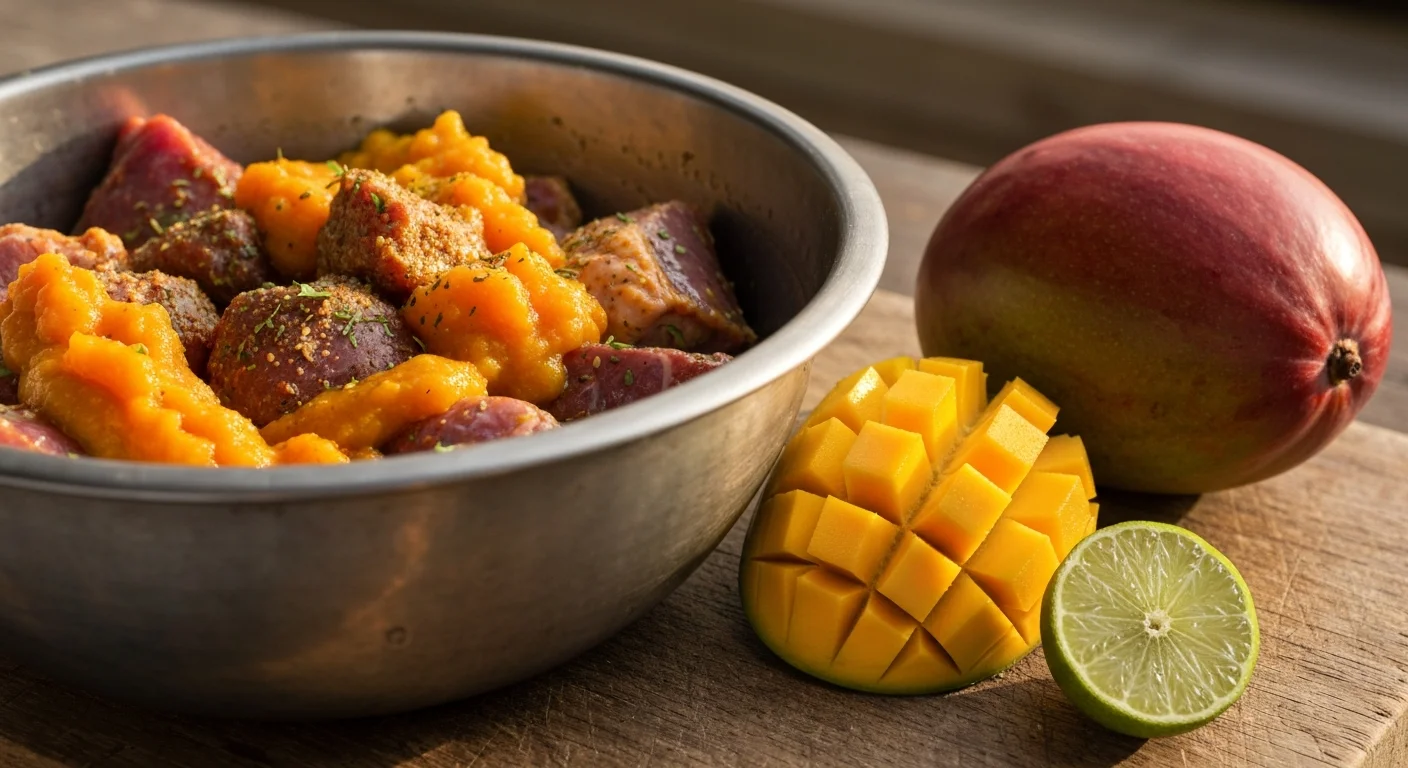
    Mango tenderizes meat through two complementary mechanisms: proteolytic enzymes in raw mango that cleave muscle proteins, and mangiferin, a xanthonoid polyphenol that disrupts collagen cross-links. A 2019 study in the Journal of Food Science and Technology (PMID: 31572018) found that marinating beef in raw mango puree for four hours reduced shear force by 26 percent, comparable to commercial enzyme tenderizers.

    Why Meat Gets Tough

    Tough texture in meat comes from two structures: actomyosin, the contractile protein complex in muscle fibers, and collagen, the connective tissue that wraps fibers and bundles. Tougher cuts like brisket, chuck, and round carry more collagen. Cooking can gelatinize collagen given enough time and moisture, but a marinade can jumpstart the process and soften actomyosin before heat ever touches the meat.

    How Plant Enzymes Work

    The classic plant tenderizers are papain from papaya, bromelain from pineapple, actinidin from kiwi, and ficin from figs. All are cysteine proteases that hydrolyze peptide bonds. Mango contains multiple proteolytic activities as well. A 2017 paper in the International Journal of Food Properties identified a serine protease active in green mango extract that shows sustained activity at marinade temperatures between 4 and 30 degrees Celsius.

    Mangiferin’s Unique Role

    Mangiferin, concentrated in the peel, kernel, and to a lesser extent the pulp of Indian mango cultivars, is more than a tenderizer adjacent. Research published in Food Chemistry in 2020 demonstrated that mangiferin binds to collagen, loosening triple-helix cross-links. Unlike papain, which can over-tenderize into mush, mangiferin works gently and pairs well with longer marinades.

    Enzyme Activity Comparison

    SourcePrimary EnzymeActivity (U/g)Tenderization EffectRisk of Over-Softening
    Papaya (green)Papain300-500Very strongHigh
    PineappleBromelain200-400StrongHigh
    KiwiActinidin100-250ModerateMedium
    FigFicin150-300ModerateMedium
    Green mangoSerine protease + mangiferin80-150Moderate, gentleLow
    Ripe mangoLow protease + mangiferin30-60Mild, flavor-enhancingVery low

    Green Versus Ripe Mango

    Green mango carries higher enzyme activity and lower sugar content, making it ideal for tenderizing tough cuts. Ripe mango brings more flavor, aroma, and sugar, which can caramelize beautifully on a Texas grill but tenderizes less. The classical South Indian dish “kachcha aam ka gosht” (raw mango lamb curry) relies entirely on green mango for its tenderizing and souring effect.

    Texas BBQ Applications

    Brisket, the iconic Texas cut, is notorious for uneven tenderness. A mango-based marinade applied 12 to 18 hours before smoking can reduce the connective tissue load before the meat ever hits the smoker. Short ribs, beef cheeks, and goat meat similarly benefit. For chicken and pork, shorter marinades of 2 to 4 hours prevent over-softening.

    A Basic Mango Tenderizing Marinade

    Blend one peeled green or underripe mango with 2 tablespoons of yogurt, 2 tablespoons of lime juice, 1 teaspoon of salt, 1 teaspoon of ground cumin, 1 teaspoon of paprika, 2 cloves of garlic, and 1 inch of grated ginger. This produces approximately 300 ml of marinade, enough for 1 kg of meat. Marinate in a non-reactive container in the refrigerator.

    Timing Guidelines

    Chicken breast: 2 hours. Chicken thighs: 4 hours. Pork shoulder chunks: 6 hours. Lamb leg cubes: 8 hours. Beef brisket or chuck: 12 to 18 hours. Goat or mutton: 12 hours. Never exceed 24 hours, because extended exposure can produce a slightly mealy texture even with the gentler mango enzyme profile.

    Safety and Food Chemistry

    All protein marinades should happen in the refrigerator at 4 degrees Celsius or below to prevent bacterial growth. Discard used marinade or boil it for at least three minutes before basting cooked meat. The USDA FSIS publishes guidelines on safe marinade handling that apply equally to enzyme-rich fruit marinades.

    Why Mango Is Kinder to Meat

    The difference between mango and papaya is dose response. Papain works at high activity even at low concentrations, which can reduce a steak to baby food in hours. Mango’s combined enzyme and polyphenol action plateaus at a more forgiving level. Home cooks who have been burned by pineapple marinades will find mango easier to manage.

    Beyond Tenderizing: Flavor and Nutrition

    A mango marinade adds vitamin A, vitamin C, and potassium to the finished dish while reducing the need for commercial MSG-heavy tenderizers. The residual sugars produce excellent caramelization on a grill. For Texas pitmasters looking to create distinctive rubs and marinades, Alphonso or Banginapalli puree blended with smoked paprika and chipotle produces a marinade unlike any commercial product. Browse all nine varieties on our varieties page.

    Scientific Literature Summary

    The PubMed database indexes roughly 40 studies on mango-based meat tenderization from 2010 onward. A 2018 paper in Meat Science tested mango powder on buffalo meat and found significant improvement in Warner-Bratzler shear force values. A 2021 Food Hydrocolloids study showed that mangiferin at 0.1 percent concentration improved water-holding capacity in chicken breast by 12 percent.

    Frequently Asked Questions

    Can I use ripe mango to tenderize meat?

    Yes, but with reduced effectiveness. Ripe mango has lower enzyme activity than green mango. For tough cuts like brisket, green or underripe mango works better. Ripe mango excels in flavor-forward applications like chicken kebabs, pork tenderloin, or fish where you want aroma and light tenderization rather than aggressive enzymatic breakdown.

    How long should I marinate meat in mango?

    Marinade times range from 2 hours for chicken breast to 18 hours for brisket. Mango enzymes work more gently than papain or bromelain, so longer marinades are safer. Never exceed 24 hours because even gentle proteases can eventually produce mealy texture. Always marinate in the refrigerator at 40 degrees Fahrenheit or below.

    Is mango better than commercial meat tenderizer?

    It depends on goals. Commercial tenderizers are faster and more predictable but often include sodium, MSG, and bromelain powder. Mango marinade adds flavor, aroma, vitamins, and gentler tenderization with cleaner ingredient labels. For Texas home cooks who value whole-food cooking, mango marinade is a meaningful upgrade over boxed tenderizer powders.

    Does cooking destroy mango’s tenderizing action?

    Yes. Mango’s proteolytic enzymes denature around 60 degrees Celsius (140 degrees Fahrenheit). Once the meat starts cooking, enzyme activity stops. All tenderization happens during the marinating phase in the refrigerator. Mangiferin’s collagen-loosening effect is more heat-stable and continues through the early stages of cooking before breaking down at high temperatures.

    Can I freeze mango puree for future marinades?

    Absolutely. Puree ripe or green mango, portion into ice cube trays, freeze solid, then transfer to labeled freezer bags. Each cube is roughly 30 ml. Enzyme activity drops about 20 percent after three months of frozen storage but remains useful for up to six months. This lets Texas cooks enjoy mango-tenderized meat year-round even after summer season ends.

    A Flavorful Texas Upgrade

    From backyard BBQs in Austin to smoker competitions in Lockhart, adding Indian mango to your marinade toolkit raises the game. Swadeshi Mangoes delivers varieties across Texas suited to every cut. Check our mango care guide for ripeness tips or visit the order form to stock up.

    Enzyme Kinetics 101

    Enzyme activity depends on temperature, pH, substrate concentration, and the presence of inhibitors or cofactors. Mango proteases operate optimally between pH 5 and 7, which aligns with most marinade conditions when combined with yogurt or a small amount of lemon juice. Excessive acidity (pH below 4) can denature the enzymes, while excessive alkalinity slows their action. A yogurt-based marinade keeps the pH in a productive range while also adding calcium that interacts helpfully with muscle fibers.

    Temperature Windows

    Refrigerator marinades at 40 degrees Fahrenheit are safer than counter-top marinades but slower. The enzyme is still active, just reduced. Room-temperature marination accelerates tenderization but promotes bacterial growth. Texas home cooks should resist the temptation to leave marinated meat on the counter in 75-degree kitchens for more than 30 minutes. The USDA-FSIS 40-140 rule keeps meat out of the “danger zone.”

    Flavor Chemistry Matters Too

    Mango contributes volatile aromatic compounds including terpenes (ocimene, myrcene, limonene) and lactones that produce a distinctive ripe character. When heated on a Texas charcoal grill, these compounds combine with Maillard reactions to produce deeply aromatic crusts. Alphonso, Kesar, and Banginapalli each contribute different aroma profiles. A pitmaster in Austin might favor Banginapalli for its balanced sweet-tart flavor, while a cook in Dallas might prefer Alphonso for intense sweetness on grilled chicken.

    Pairing With Regional Texas Flavors

    Tex-Mex pairs beautifully with ripe mango. Pair Kesar with smoked paprika, chipotle, and cilantro for a fusion marinade. Gulf Coast seafood grilling benefits from a lighter green-mango base with garlic, lime, and white pepper. Smoked brisket benefits from a long mango-yogurt pre-marinade before the rub. These regional adaptations turn Indian mango into a versatile Texas kitchen staple.

    Nutritional Upside of Mango Marinades

    A typical marinade contributes to the final dish’s micronutrient profile. Mango-based marinades add vitamin A, vitamin C, and polyphenols that commercial tenderizers lack. Texas families moving away from MSG-heavy seasoning blends appreciate the clean-label advantage. Our mango care guide explains how to select the right ripeness for marinades, whether you want gentle enzymatic tenderization or bold flavor impact. Pitmasters tracking nutrition alongside flavor find that a mango-based marinade aligns with both goals, delivering vitamin A, vitamin C, potassium, and polyphenols that survive cooking in measurable amounts. Over a summer of weekly grilling, that steady contribution adds real nutritional value without changing flavor goals.

    This article is for educational purposes. Consult your healthcare provider for medical advice.

Chat on WhatsApp