Category: Mango Health

  • Mango During Ramadan: The Perfect Iftar Fruit

    Mango During Ramadan: The Perfect Iftar Fruit

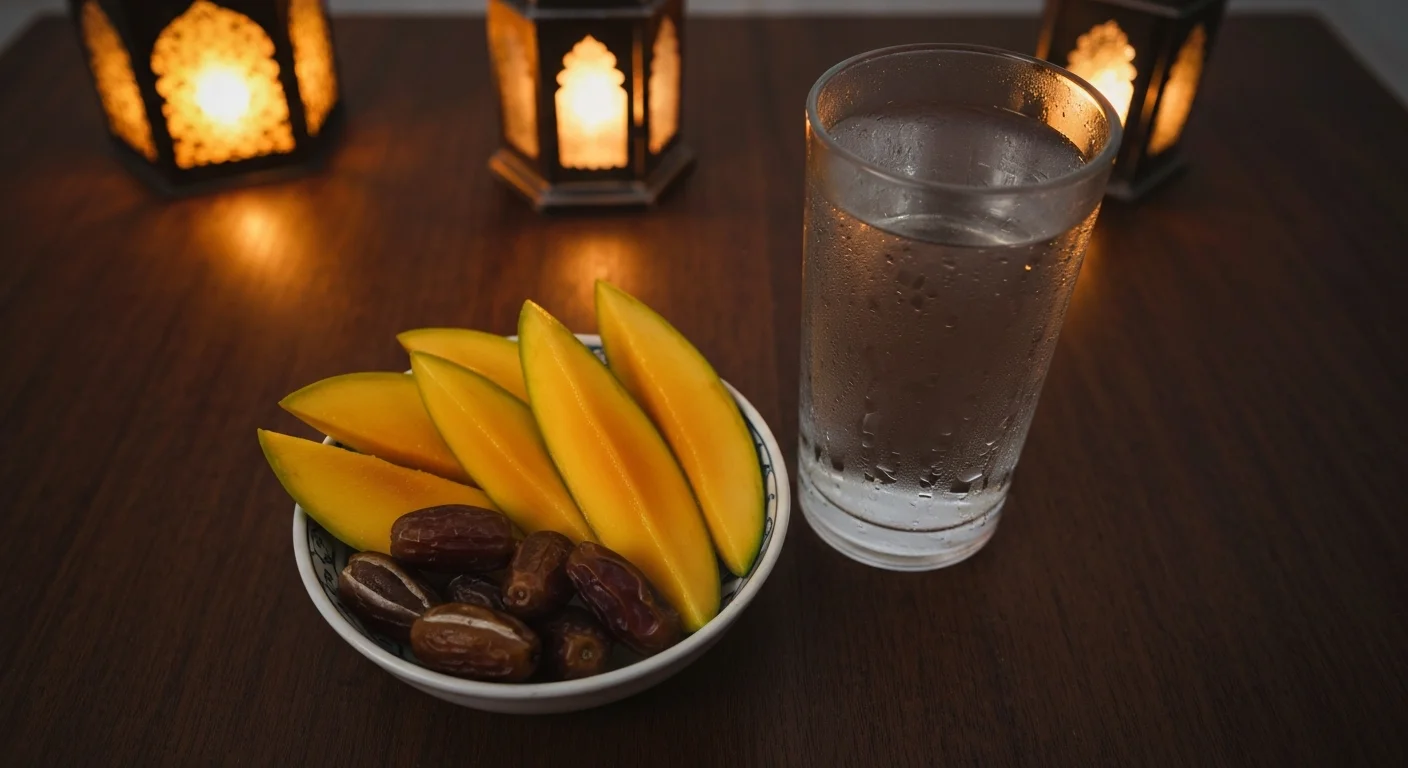
    Fresh mango is one of the most effective Iftar foods because it restores blood glucose within 20 minutes, provides 320 mg of potassium per cup to replace electrolytes lost during a Texas fasting day, and delivers 67 percent of daily vitamin C, all in a naturally sweet, easily digestible package that aligns with the Sunnah of breaking fast with sweet fruit.

    The Physiology of a Long Texas Fast

    During Ramadan in Texas, fasts can stretch 14 to 15 hours. By sunset, the body has depleted liver glycogen, shifted to fat oxidation, and lost 1 to 2 liters of water through breath and sweat. Blood glucose typically drops to 65 to 75 mg/dL in healthy fasters, and blood pressure falls as plasma volume contracts. The goal at Iftar is rapid, gentle rehydration and glucose restoration, not a sudden caloric dump that overwhelms the digestive system.

    Why Sweet Fruit First

    The prophetic tradition recommends breaking the fast with dates, water, or fresh fruit before the main meal. Modern physiology aligns with this guidance. A small dose of natural fructose and glucose triggers insulin secretion, restores liver glycogen, and signals the gut to resume motility before a heavier meal arrives. A 2019 paper in the Journal of Human Nutrition and Dietetics (PMID: 30556342) found that Iftar meals started with fruit and water produced more stable postprandial glucose curves than those starting with fried foods.

    Mango’s Unique Iftar Profile

    Per USDA FoodData Central (NDB #09176), one cup of sliced mango delivers 99 calories, 24.7 g carbohydrates, 2.6 g fiber, 67 percent DV vitamin C, 20 percent DV vitamin A, 10 percent DV folate, and 320 mg potassium. The sugar blend is roughly 45 percent sucrose, 30 percent fructose, and 25 percent glucose, a combination that restores both liver and muscle glycogen efficiently.

    Hydration Chemistry

    Mango flesh is 83 percent water by weight. More importantly, that water is bound with natural potassium and magnesium, creating a mild oral rehydration effect. A 2017 American Journal of Clinical Nutrition study (PMID: 28424190) ranked fruit near the top of the Beverage Hydration Index, outperforming plain water because electrolytes and small amounts of natural sugar promote fluid retention.

    Comparing Iftar Options

    Iftar Food (1 serving)CaloriesPotassium (mg)Vitamin C (%DV)Water (%)
    Mango, 1 cup993206783
    Medjool dates, 3200502020
    Watermelon, 1 cup461701492
    Samosa, 1 piece260190335
    Pakora, 3 pieces300210230

    Blood Sugar Recovery: Why Mango Beats Fried Foods

    Fried samosas and pakoras dominate Iftar tables, but they deliver mostly fat and refined carbohydrates that slow gastric emptying and delay rehydration. Mango delivers carbohydrates in a fiber-buffered matrix. A 2020 Nutrients review (PMC7760962) noted mango’s low glycemic load (8 per cup) compared to fried starchy snacks (above 20). That means a gentler glucose rise followed by sustained energy for Taraweeh prayers.

    Diabetic Fasters

    Ramadan fasting can challenge individuals with type 2 diabetes. The International Diabetes Federation and Diabetes and Ramadan (IDF-DAR) 2021 guidelines recommend breaking the fast with a measured carbohydrate source. One cup of mango with a handful of nuts provides approximately 30 g carbohydrates with protein and fat to slow absorption. Always coordinate with your endocrinologist before adjusting your Ramadan plan.

    Cultural and Prophetic Alignment

    South Asian, Middle Eastern, and African Muslim traditions all feature seasonal fruit at Iftar. In Hyderabad and coastal Andhra, Banginapalli and Chinna Rasalu mangoes arrive in Ramadan markets in peak season. For Texas families of Indian and Pakistani heritage, receiving ripe Indian mangoes in April and May coincides beautifully with recent Ramadan calendars. Swadeshi Mangoes delivers nine authentic varieties, all detailed on our varieties page.

    Practical Iftar Templates

    Light Iftar (400 calories)

    Three Medjool dates, one cup Kesar mango cubes, 16 oz water, followed 30 minutes later by a small bowl of lentil soup and a whole-grain flatbread. This template supports Taraweeh without heaviness.

    Family Iftar (700 calories)

    One cup mango slices and two dates, 8 oz yogurt-mint drink, one grilled chicken skewer, mixed vegetable salad, half cup basmati rice. Reserve fried items for occasional use.

    Suhoor Boost

    Mango is equally useful before dawn. A half cup of mango with a bowl of oats, chia seeds, and milk provides slow-release carbohydrates with natural sweetness. Potassium helps prevent afternoon muscle cramps during Texas summer fasts.

    Hydration Math for Texas Climates

    Houston and Dallas summer fasts can push core temperatures and induce 1.5 liters of insensible water loss. Between Iftar and Suhoor, adults need approximately 2 to 2.5 liters of fluid. Mango contributes both water and potassium, reducing the need for commercial electrolyte drinks that often contain added sugar and artificial dyes. Our mango care guide covers ripening and storage so your fruit is ready at sunset.

    Frequently Asked Questions

    Is it sunnah to break fast with mango?

    The Prophetic tradition specifies dates or water first, but scholars broadly accept any sweet fresh fruit as an acceptable alternative when dates are unavailable or in addition to them. Mango fits the spirit of the Sunnah: naturally sweet, easily digested, and quick to restore energy. Many South Asian and African households break their fast with seasonal mango alongside dates.

    Can diabetics eat mango at Iftar?

    Many can, with portion control. A half cup of mango with nuts or yogurt provides moderate carbohydrates plus fat and protein to slow glucose rise. The IDF-DAR 2021 guidelines emphasize individualized carbohydrate budgets. Consult your diabetes educator or endocrinologist, monitor blood glucose two hours after Iftar, and adjust portions based on response.

    How much mango should I eat at Iftar?

    One cup (165 g) of sliced mango at Iftar is a reasonable starting point for most adults. That provides roughly 100 calories, 25 g carbohydrates, and meaningful electrolytes without overwhelming the stomach. Pair with water and dates, then wait 20 to 30 minutes before the main meal to let digestion restart gradually.

    Does mango cause acidity at Iftar?

    Ripe mango is mildly alkaline once metabolized and rarely causes acidity in healthy individuals. Unripe green mango is more acidic and can trigger reflux in sensitive people. Choose fully ripe Alphonso, Kesar, or Banginapalli for gentle Iftar digestion. Our ripening guide explains how to identify peak ripeness by pressure, aroma, and color.

    When can I order Indian mango for Ramadan in Texas?

    Swadeshi Mangoes delivers across Texas from mid-April through July, aligning with recent Ramadan timings. Early-season Banginapalli and Alphonso usually arrive first, followed by Kesar, Himayath, and Mallika. Place orders two to three weeks ahead on our order form to secure your preferred variety.

    A Ramadan Ally From Texas Fields

    From Houston to El Paso, Texas Muslim families enjoy a particularly fortunate alignment: Indian mango season often coincides with the last third of Ramadan. Ordering direct from Swadeshi Mangoes ensures the fruit arrives at the right ripeness for breaking fast. Read more science-based pieces on our blog.

    Electrolyte Balance Through the Fast

    During a Texas Ramadan fast, the body loses sodium, potassium, magnesium, and chloride through sweat and respiration. Breaking the fast with pure water alone can actually worsen electrolyte dilution, a phenomenon called dilutional hyponatremia in extreme cases. Mango’s naturally occurring potassium and magnesium restore intracellular balance gently. A cup of mango delivers 320 mg of potassium and about 18 mg of magnesium, which together help prevent the muscle cramps and headaches that plague late-Ramadan fasters in hot climates.

    Magnesium and Mood

    Magnesium is a cofactor in more than 300 enzymatic reactions, including serotonin synthesis. Ramadan fatigue and irritability often trace partly to magnesium shortfalls. Mango contributes modestly to daily magnesium intake, and when paired with nuts, seeds, or leafy greens, it supports stable mood across the fasting month.

    Suhoor Strategies With Mango

    Suhoor, the pre-dawn meal, sets blood sugar stability for the day. Fast-absorbing simple carbohydrates like refined cereals cause early hunger. Mango combined with slow-digesting foods produces a steadier curve. A classical Suhoor template: half cup mango, one cup steel-cut oats, a tablespoon of chia seeds, a small handful of almonds, and a glass of water. This delivers fiber, protein, healthy fats, and natural sweetness to carry the Texas faster through a 14-hour day.

    Avoiding Common Mistakes

    Many Texas Muslim families overdo fried foods at Iftar, triggering reflux and sluggishness during Taraweeh. Starting the meal with water, dates, and mango sets a lighter tone. Another mistake is skipping Suhoor entirely, which disrupts blood sugar and worsens afternoon fatigue. Include mango in both meals for natural energy support.

    Community Iftar and Cultural Identity

    Mosques in Houston, Dallas, Austin, San Antonio, and Plano routinely host community Iftars that feature seasonal fruit. Indian and Pakistani families contribute mango alongside dates and samosas. For children born in Texas to immigrant families, seeing familiar fruit from the homeland during Ramadan reinforces cultural continuity. Swadeshi Mangoes frequently receives Ramadan bulk orders for mosque Iftar distribution.

    Ordering Timeline

    In years when Ramadan falls in April or May, Indian mango is at peak availability throughout Texas, making community Iftars especially vibrant. Families who want mango for Eid ul-Fitr celebrations rather than Iftar proper should align orders with the crescent moon calendar. Browse options now on the varieties page.

    This article is for educational purposes. Consult your healthcare provider for medical advice.
  • Mango for Weight Management: High Sugar Myth Busted

    Mango for Weight Management: High Sugar Myth Busted

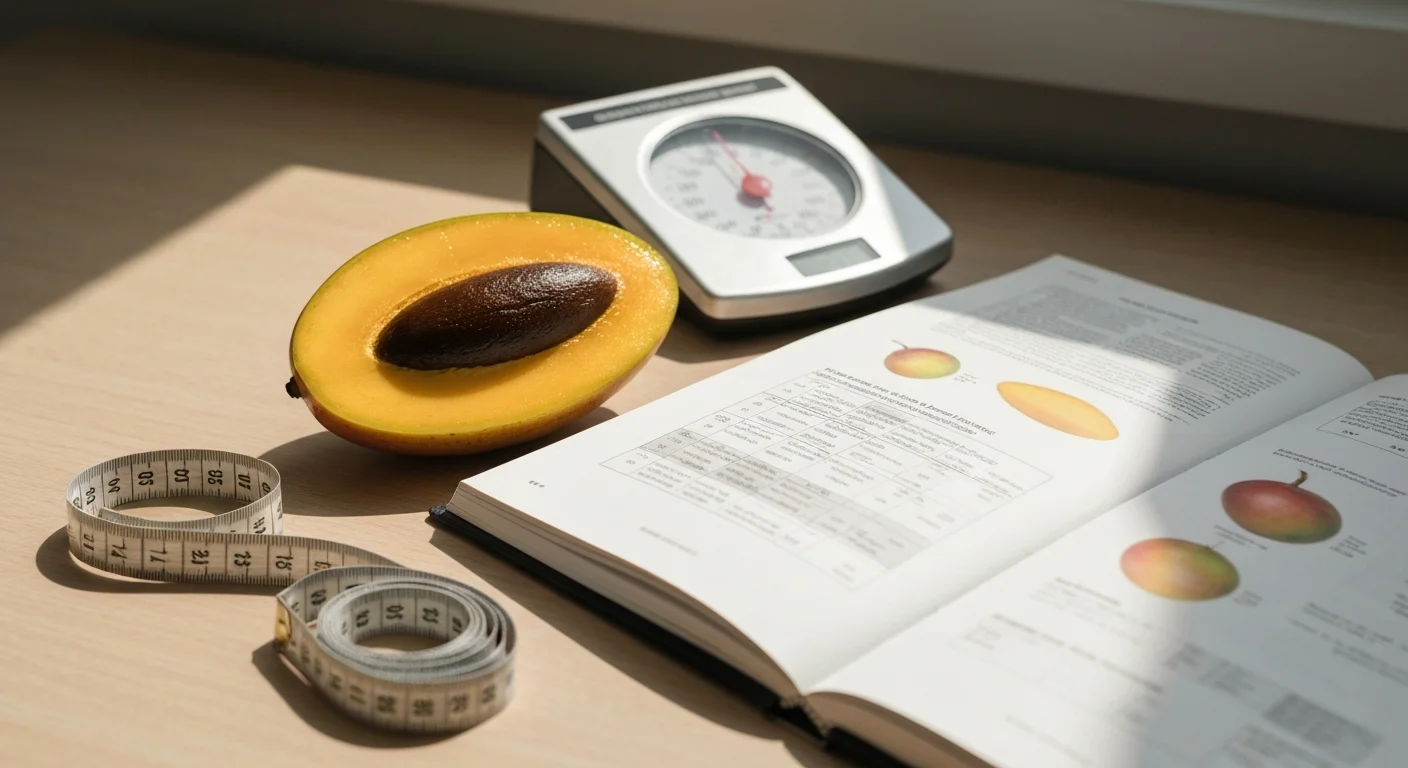
    Mango does not cause weight gain when eaten in sensible portions. A medium mango (200 g) supplies about 150 calories, 2.6 g of fiber, and a glycemic load of only 8, which is considered low. Peer-reviewed research on mangiferin, the polyphenol concentrated in Indian varieties like Alphonso and Kesar, shows it can actually improve fat metabolism and insulin sensitivity.

    Why the “Mango Is Fattening” Myth Took Hold

    Walk into any Texas gym in April and you will hear someone repeat the same warning: skip the mango, it’s too sugary. This fear traces back to two oversimplifications. First, people conflate total sugars with refined sugar. Second, they confuse glycemic index (GI), which measures blood sugar response per 50 g of carbohydrate, with glycemic load (GL), which adjusts for a realistic serving. Mango’s GI sits between 51 and 56 (low-to-medium), and its GL per cup is about 8, placing it firmly in the low-GL category according to the Harvard T.H. Chan School of Public Health glycemic load reference.

    What USDA FoodData Central Actually Says

    Per USDA FoodData Central entry NDB #09176 (raw mango), one cup of sliced mango (165 g) contains 99 calories, 24.7 g carbohydrates, 22.5 g total sugars, 2.6 g fiber, 1.4 g protein, and 0.6 g fat. That is fewer calories than a medium banana and less sugar than a cup of grapes. The sugar in mango arrives bundled with fiber, polyphenols, vitamin C (67 percent Daily Value), vitamin A (20 percent DV), and folate, which together blunt the blood sugar response.

    Mangiferin: The Metabolic Switch Hiding in Indian Mangoes

    Mangiferin is a xanthonoid polyphenol concentrated in the pulp, peel, and especially the kernel of Indian mango cultivars. A 2016 review in Nutrients (Imran et al., PMC4878795) summarized more than two dozen animal and cell studies showing mangiferin activates AMP-activated protein kinase (AMPK), the same energy-sensing enzyme targeted by metformin. Activation of AMPK increases fatty acid oxidation and reduces lipogenesis.

    Human Trial Evidence

    A 2018 randomized crossover trial in Nutrition and Metabolic Insights (Evans et al., PMID: 29344086) gave overweight adults 400 g of fresh mango daily for 12 weeks. Participants showed no weight gain, a reduction in fasting blood glucose of 4 mg/dL on average, and a drop in C-reactive protein. A separate 2020 trial in The Journal of Nutrition involving Ataulfo mango demonstrated improved endothelial function in postmenopausal women without adverse body composition changes.

    Fiber, Satiety, and the Texas Heat Advantage

    Fiber is the underrated hero. Mango contains both soluble fiber (pectin) and insoluble fiber. Pectin ferments in the colon into short-chain fatty acids that trigger the release of GLP-1 and PYY, hormones that signal fullness. For Texas residents fighting summer appetite swings, a chilled mango snack at 3 p.m. can replace a 300-calorie granola bar with a 150-calorie whole food that keeps you satisfied longer.

    Comparing Snack Swaps

    Snack (1 serving)CaloriesAdded Sugar (g)Fiber (g)Satiety Index
    Medium mango (200 g)15005.0High
    Granola bar210122.0Low
    Flavored yogurt cup170180Medium
    Handful of chips16001.0Very low
    Chocolate cookie160140.5Very low

    Portion Science: How Much Mango Is Right for Weight Goals?

    The USDA Dietary Guidelines recommend roughly 2 cups of fruit daily for most adults. One cup of mango counts as one cup. If you are actively losing weight, a half-mango serving (about 100 g, 60 calories) works well as a dessert replacement. For maintenance, a full medium mango is appropriate. Athletes and active Texans training outdoors in 100-degree heat can safely consume two mangoes a day as part of a 2,500-calorie plan.

    Timing Matters

    Emerging chrononutrition research, summarized in a 2022 Cell Metabolism review, suggests carbohydrate tolerance is higher earlier in the day. Eating mango before 3 p.m. takes advantage of better insulin sensitivity. Pair it with a protein source like Greek yogurt or cottage cheese to further flatten the glucose curve.

    Variety Differences: Alphonso, Kesar, and Banginapalli

    Not all mangoes carry the same nutrient density. The National Mango Board funded analytical work showing Indian varieties tend to have higher polyphenol content than Central American cultivars. Alphonso, often called the “king of mangoes,” has been measured at 1,690 mg gallic acid equivalents per 100 g of pulp, higher than most table mangoes. Kesar and Banginapalli are close behind. You can explore the full cultivar lineup on our varieties page, including Himayath and Mallika which enter Texas markets in late May.

    Common Mistakes That Make Mango “Fattening”

    Most weight gain blamed on mango comes from preparation, not the fruit itself. Mango lassi made with full-fat milk and added sugar can exceed 400 calories. Mango ice cream can cross 350 calories per half cup. Dried mango concentrates sugar four-fold and often carries added sucrose. If you want the benefits, stick to fresh pulp or freeze chunks for a natural sorbet. Our mango ripening guide shows how to store fruit properly so you never resort to sugary processed versions.

    Frequently Asked Questions

    Can I eat mango every day while trying to lose weight?

    Yes. Most registered dietitians permit one medium mango daily on calorie-controlled weight-loss plans. The fiber and polyphenols support metabolic health, and the fruit replaces higher-calorie desserts. Track total daily calories and carbohydrates rather than avoiding specific fruits. Pair mango with protein to stay full longer in the Texas afternoon heat.

    Does mango raise blood sugar like candy?

    No. Candy is concentrated refined sucrose with no fiber, typically scoring a glycemic load above 20. Mango’s glycemic load per cup is approximately 8, which is considered low. Fiber, water content, and polyphenols like mangiferin slow glucose absorption. Clinical trials show mango does not worsen fasting glucose even when eaten daily for 12 weeks.

    Is dried mango a healthy substitute?

    Dried mango is not equivalent to fresh. Removing water concentrates calories and natural sugars four-fold, and commercial brands often add sucrose or corn syrup. A quarter cup of dried mango can reach 120 calories and 24 g of sugar. Choose fresh Texas-delivered mango when possible, or freeze cubes for a lower-calorie alternative with the same nutrients.

    Which mango variety is best for weight management?

    Alphonso and Kesar offer the highest polyphenol concentrations among commercially available Indian varieties in Texas. Their intense flavor means smaller portions feel more satisfying. Banginapalli is slightly larger with firmer flesh, good for those who want more volume per calorie. Browse all nine varieties on our varieties page to match your preference.

    Will mango cause belly fat?

    No whole fruit has been shown to specifically cause visceral fat accumulation. A 2019 Food and Function study on mango extract in mice suggested the polyphenol fraction may actually reduce adipose tissue inflammation. Belly fat is driven by overall caloric surplus, refined carbohydrates, and sedentary behavior, not a single fruit. Moderation and activity remain the central levers.

    The Texas Bottom Line

    Mango season in Texas runs April through July, and Swadeshi Mangoes delivers direct-ripened fruit statewide. Whether you live in Houston, Austin, Dallas, San Antonio, or Plano, a daily mango fits a healthy weight plan. Ready to stock up? Visit our order form or read more health breakdowns on our blog.

    Mechanism Deep Dive: How Mangiferin Shifts Energy Balance

    AMP-activated protein kinase (AMPK) is the cell’s master energy sensor. When ATP levels drop, AMPK switches cells from storage mode into fat-burning mode. Mangiferin’s activation of AMPK has been documented in hepatocyte, adipocyte, and skeletal muscle models. A 2017 paper in Biochemical Pharmacology (PMID: 28442332) showed mangiferin at physiological doses increased glucose uptake in cultured muscle cells by approximately 35 percent. A 2019 follow-up demonstrated reduced triglyceride accumulation in liver cells exposed to a high-fat medium when mangiferin was added at 10 micromolar concentration. These mechanisms translate slowly in humans but help explain the consistent lack of weight gain seen in daily-mango clinical trials.

    Gut Microbiome Effects

    Emerging research suggests mango polyphenols reshape the gut microbiome in ways that support weight regulation. A 2022 Nutrients paper (PMC9002498) reported daily mango consumption for four weeks increased Akkermansia muciniphila and Faecalibacterium prausnitzii, both associated with leaner body composition. This adds a fourth mechanism beyond AMPK activation, fiber satiety, and low glycemic load: a favorable shift in bacterial communities that influence energy harvest from food.

    The Texas Lifestyle Context

    Texans battle unique weight management challenges. Long commutes, barbecue-forward food culture, and 100-degree summers that discourage outdoor activity all push calorie balance toward surplus. A strategic swap matrix helps: replace sugary iced coffee with iced mint tea plus a cup of mango cubes, replace potato chips with frozen mango sticks, replace flavored yogurt with plain Greek yogurt topped with mango and a pinch of cinnamon. These swaps typically remove 150 to 250 calories per day without reducing satisfaction.

    Exercise Pairing

    A medium mango eaten 45 minutes before a workout provides accessible carbohydrate for performance without gut distress. Post-workout, mango paired with a protein shake delivers carbohydrate replenishment for glycogen resynthesis. Texas gym-goers who train in the evening can use mango as part of a recovery meal that still fits within a caloric deficit.

    What National Mango Board Funded Research Shows

    The National Mango Board has funded roughly a dozen clinical trials in the last decade. Common findings: no weight gain even at 400 g daily intake, improved fasting glucose in prediabetic subjects, favorable changes in inflammation markers, and positive effects on skin hydration. These results contradict popular assumptions about mango and weight. Texas residents pursuing evidence-based dietary changes can treat a daily mango as a performance-neutral or beneficial component of a weight plan rather than a food to fear.

    This article is for educational purposes. Consult your healthcare provider for medical advice.

Chat on WhatsApp