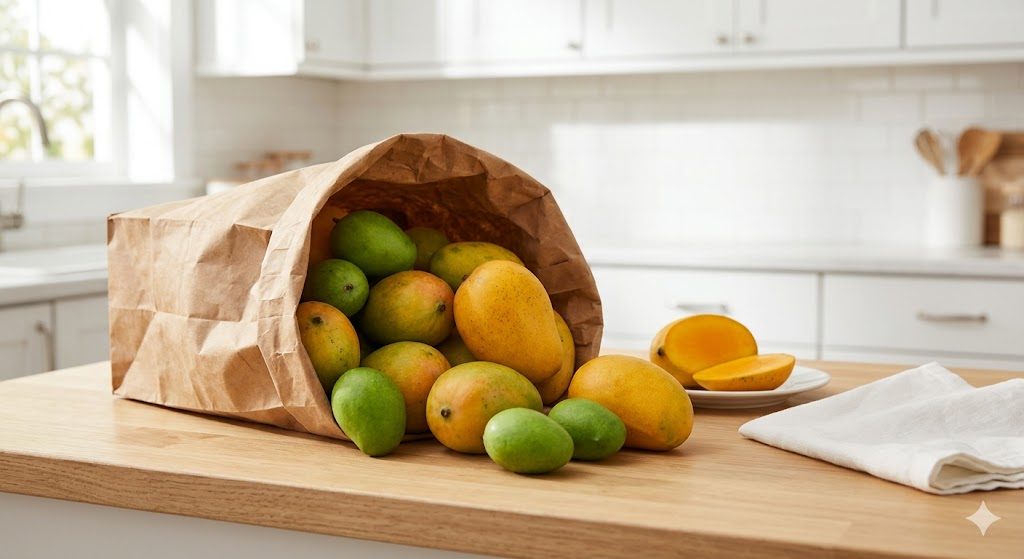
One cup of mango provides 20 percent of a school-age child’s daily vitamin A and 15 percent of folate, two nutrients essential for building myelin, synapses, and the retina. When paired with a DHA source like salmon or omega-3 eggs, mango’s antioxidants protect the delicate fatty acids that make up 60 percent of the developing brain, making it one of the most strategic fruits for Texas kids during the first twelve years of life.
Why the First Twelve Years Matter
Between birth and age twelve, the human brain undergoes explosive growth. By age two, it has reached 80 percent of adult volume. Synapse density peaks around age three in the visual cortex and age seven in the prefrontal cortex. Every gram of tissue added requires specific nutrients: vitamin A for retinal and neural differentiation, folate for DNA synthesis, choline for membrane formation, iron for myelination, and long-chain omega-3 fatty acids like DHA for structural lipids.
The Texas Gap
The CDC NHANES surveys show many American children fall short on vitamin A, folate, and fiber. A 2019 analysis in Nutrients (PMC6835643) found only 40 percent of children aged 2 to 8 met vitamin A recommendations. In Texas, where schedules often lean on processed snacks, a daily mango can close a meaningful nutrient gap without requiring supplements.
Vitamin A: The Visual and Neural Architect
Mango contains preformed vitamin A as well as provitamin A carotenoids, chiefly beta-carotene and beta-cryptoxanthin. A 2018 American Journal of Clinical Nutrition study measured a bioconversion rate of approximately 4 to 1 for mango beta-carotene, meaning the fruit delivers usable retinol activity equivalents efficiently. Vitamin A supports rhodopsin synthesis in the retina, differentiation of neural stem cells in the hippocampus, and regulation of gene expression across developing brain regions.
Folate: The DNA Builder
Folate (vitamin B9) is essential for nucleotide synthesis. Growing neurons divide rapidly, and inadequate folate during childhood can affect cognitive performance. One cup of mango supplies 71 micrograms of folate, roughly 15 to 20 percent of a school-age child’s daily requirement. The fruit’s natural folate is well absorbed when eaten whole.
The DHA Connection
Docosahexaenoic acid (DHA), a 22-carbon omega-3 fatty acid, comprises about 10 to 15 percent of the dry weight of the brain’s gray matter. The American Academy of Pediatrics recommends children consume 70 to 250 mg of DHA daily depending on age. Mango does not contain DHA, but its antioxidant payload protects DHA from oxidation once consumed. A 2017 Lipids journal study demonstrated that mango polyphenols reduced peroxidation of polyunsaturated fats in plasma.
Smart Pairings
| Brain-Building Combo | Key Nutrients | Example Meal |
|---|---|---|
| Mango + salmon | Vitamin A, DHA, protein | Grilled salmon with mango salsa |
| Mango + omega-3 eggs | Vitamin A, folate, DHA, choline | Scrambled eggs with mango cubes |
| Mango + walnuts | Antioxidants, ALA, magnesium | Mango slices with chopped walnuts |
| Mango + Greek yogurt | Folate, calcium, protein, probiotics | Yogurt parfait with mango |
| Mango + chia pudding | Fiber, ALA, calcium | Chia pudding topped with mango |
Kid-Friendly Serving Sizes
The American Academy of Pediatrics recommends one to one and a half cups of fruit daily for children ages 4 to 8, and one and a half to two cups for ages 9 to 13. A half cup of mango cubes for a toddler and a full cup for an older elementary-age child is a reasonable target. Start with small pieces to minimize choking risk, and remove the skin for young eaters.
Sensory and Behavioral Benefits
A 2021 Foods review noted that fruit consumption correlates with better mood and lower irritability in school-age children, likely due to stable glucose curves and micronutrient sufficiency. Parents in Texas heat months often see improved afternoon focus when children have fruit and water instead of sugary snacks.
Mango for Picky Eaters
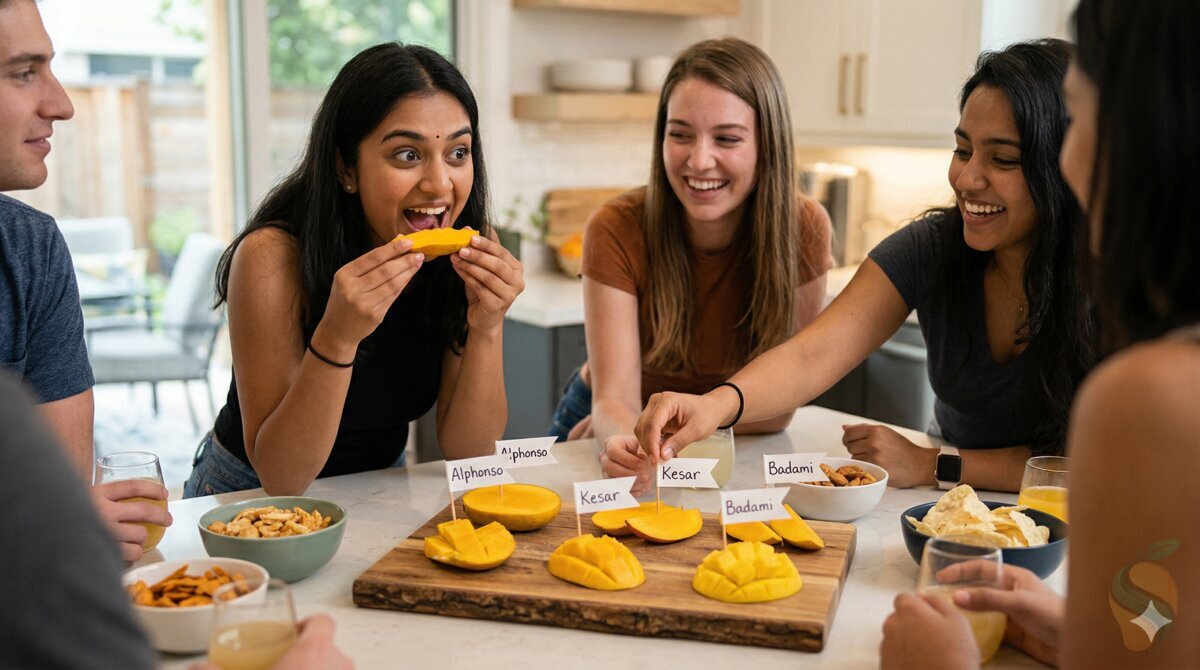
Texas pediatricians regularly see families struggle with picky eating. Mango’s natural sweetness, bright color, and soft texture make it a low-friction entry point for reluctant fruit eaters. Offer ripe Alphonso or Banginapalli first because of their smooth flesh and strong aroma. Browse kid-friendly options on our varieties page.
Creative Formats
Frozen mango cubes double as natural teething relief for toddlers. Mango and banana smoothies blend in DHA from flaxseed or chia. Sliced mango on whole-wheat toast with ricotta creates a balanced after-school snack. Mango salsa introduces savory-sweet flavor without added sugar.
School Performance Evidence
A 2019 Frontiers in Psychology paper reviewed studies linking fruit and vegetable intake with academic performance. Students consuming more than three servings of fruit daily scored higher on standardized tests than peers consuming fewer. While mango alone is not a magic bullet, it contributes meaningfully to the fruit count when school schedules make vegetables harder.
Safety Notes for Very Young Children
Infants under 12 months should receive mango pureed or mashed. Whole chunks present a choking hazard until children can chew reliably. The American Academy of Pediatrics HealthyChildren.org recommends cutting fruit into pieces smaller than a half inch for children under four. Watch for rare mango-cashew cross-reactivity in children with tree nut allergies.
Frequently Asked Questions
At what age can babies eat mango?
Most pediatricians approve pureed mango from six months of age when solids are introduced. Start with a teaspoon of smooth puree, watch for allergic response over three days, then increase gradually. By twelve months, soft small cubes are appropriate. Mango is low on the allergen list, but children with oral allergy syndrome to birch pollen may occasionally react.
Does mango help with child brain development?Does mango help with child brain development?
Mango supports brain development indirectly by providing vitamin A, folate, vitamin C, and antioxidants that protect developing neural tissue. It is not a single-source brain food. Real gains come from a diverse diet combining mango with DHA sources like fatty fish or omega-3 eggs, iron-rich foods, and adequate sleep. Consistency over years matters more than any single food.
Is mango safe for children with diabetes?
Generally yes, with portion control and medical supervision. A half cup of mango contains about 12 g of carbohydrates and a low glycemic load. Children with type 1 diabetes should count mango carbohydrates in their insulin calculations. Those with type 2 or prediabetes benefit from pairing mango with protein or healthy fat. Consult the pediatric endocrinologist for individualized plans.
How much mango is too much for a child?
Most children tolerate one cup of mango daily without issue. Exceeding two cups can contribute to loose stools because of the natural sugar and fiber load. Watch for yellow skin discoloration (carotenodermia) in toddlers eating very large amounts of orange fruits daily. The discoloration is harmless and resolves with reduced intake.
Which mango variety is best for kids?
Alphonso and Banginapalli have smooth, relatively fiberless flesh that young children handle easily. Kesar is slightly firmer and great for older kids who like texture. Avoid very fibrous varieties for toddlers. Our varieties page lists texture and sweetness levels for each of the nine Indian mangoes we deliver across Texas.
Texas Family Takeaway
From Austin to El Paso, mango season lines up with the end of the school year and the start of summer camp. Stocking the refrigerator with a box of Indian mango means easy brain-supportive snacks for kids all summer. Visit our order form to schedule a delivery or read more science-based parenting pieces on our blog.
Iron and Zinc: The Overlooked Cofactors
Brain development depends on iron and zinc alongside vitamin A and DHA. Iron deficiency in early childhood impairs myelination and cognitive outcomes that can persist into adulthood. Mango itself provides only modest iron (0.16 mg per cup), but its high vitamin C content dramatically boosts non-heme iron absorption from plant sources. Serving mango with iron-fortified cereal or black beans can double the amount of iron absorbed. Texas parents using plant-forward diets should leverage this synergy to close common gaps.
Zinc From Whole Foods
Zinc supports immune function and neural signaling. Pairing mango with pumpkin seeds, cashews, or lean beef covers both the zinc demand and the vitamin C that helps utilization. A school-age Texas child benefits from a weekly rotation that includes mango-based breakfasts, trail mixes with dried seeds, and mango-topped oatmeal.
Sleep, Melatonin, and Mango
A 2020 Nutrients study (PMC7760962) noted that tropical fruits including mango contain measurable melatonin, typically 10 to 25 ng per gram of pulp. While far below therapeutic doses, combined with the natural carbohydrate load that supports tryptophan crossing the blood-brain barrier, mango in the early evening may gently encourage sleepiness in children. A pre-bedtime snack of mango and Greek yogurt (providing tryptophan) is a reasonable routine for Texas families managing summer bedtime drift.
Gut-Brain Axis
Childhood gut health influences mood and cognition through the vagus nerve and immune signaling. Mango pectin ferments into short-chain fatty acids that support a healthy microbial ecosystem. A 2021 Pediatric Research paper noted associations between fiber-rich fruit intake and lower rates of pediatric anxiety symptoms. No single fruit is a magic bullet, but consistent inclusion of mango during Texas mango season adds a quiet supportive layer.
Screen Time Balance
American children spend more than five hours daily on screens. Blue light exposure depletes antioxidant reserves in the retina. Mango’s lutein and zeaxanthin, while lower than in leafy greens, add to the pool of carotenoids that protect developing eyes. For Texas kids on summer break facing extended screen time during hot afternoons, a daily mango contributes to retinal antioxidant capacity. Pair with a daily walk or outdoor play once temperatures allow.
This article is for educational purposes. Consult your pediatrician for medical advice specific to your child.

Swadeshi Mangoes
Swadeshi Mangoes is a community-driven Indian mango pickup network operated by Swadeshi Central TX LLC, headquartered in Round Rock, Texas. We bring authentic, USDA-inspected Indian mangoes — Alphonso, Banginapalli, Kesar, and more — to families through local pickup in multiple US cities, every season since 2025.