Tag: texas

  • The 2026 Savory-Sweet Revolution: 3 Ways to Elevate Your Banginapalli Experience

    The 2026 Savory-Sweet Revolution: 3 Ways to Elevate Your Banginapalli Experience

    Gone are the days when mangoes were strictly for dessert. In 2026, the global culinary scene is embracing “Mindful Sweetness” — using the natural, aromatic sugars of premium fruit to balance savory, spicy, and umami flavors.

    Because the Banginapalli is uniquely fiberless and meaty, it is the perfect “steak” for plant-forward, nutrient-dense meals. Here are three ways to use your Swadeshi Mangoes harvest that go beyond the smoothie bowl.


    1. The 2026 “Gut-Health” Poke Bowl

    With 2026 health trends shifting toward anthocyanin-rich grains and fermented toppings, this bowl is a powerhouse of digestion-friendly nutrients.

    • The Base: Black rice (Forbidden Rice) or a mix of quinoa and lentils.
    • The Star: Thick, chilled cubes of ripe Banginapalli.
    • The Umami: Shredded baked tofu or wild-caught salmon marinated in tamari and ginger.
    • The Crunch: Sliced radishes and purple cabbage.
    • The Finish: A drizzle of sesame oil and a sprinkle of black sesame seeds.

    Why it works: The Vitamin C in your mangoes actually helps your body absorb the iron from the lentils and grains, making this a high-bioavailability meal. One cup of Banginapalli provides approximately 40% of your daily Vitamin C needs.


    2. The Texas Fusion Mango & Avocado Salad

    Inspired by our local Texas roots, this salad combines the creamy texture of fresh avocados with the bright sweetness of Indian Banginapallis.

    Ingredients

    • 1 ripe Banginapalli mango (diced)
    • 1 Hass avocado (sliced)
    • A handful of fresh arugula
    • Toasted pumpkin seeds
    • Fresh cilantro leaves

    The Dressing

    • Juice of 1 lime
    • A pinch of Himalayan pink salt
    • A dash of Tajín or red pepper flakes for that “Texas Kick”
    • 1 tablespoon extra virgin olive oil

    Instructions

    1. Arrange arugula on a plate.
    2. Layer diced Banginapalli and sliced avocado.
    3. Whisk the dressing ingredients and drizzle over the salad.
    4. Top with toasted pumpkin seeds and cilantro.
    5. Serve immediately — pairs perfectly with grilled protein or flatbread.

    Nutrition note: This combination delivers heart-healthy monounsaturated fats from the avocado, Vitamin A and C from the mango, and plant-based protein from the pumpkin seeds.


    3. Savory Mango Glaze for Grilling Season

    Instead of using refined sugar-based BBQ sauces, use the natural sweetness of overripe Banginapallis.

    The Recipe

    • Puree one overripe mango with a clove of garlic
    • Add a splash of apple cider vinegar
    • A teaspoon of smoked paprika
    • A pinch of cumin and black pepper
    • Blend until smooth

    Application

    Brush the glaze over grilled paneer, chicken, or cauliflower steaks during the last 5 minutes of cooking.

    The Science: The natural sugars in the mango caramelize under the heat, creating a rich Maillard reaction without the need for artificial sweeteners. The result is a glossy, complex, sweet-smoky finish that elevates any grilled dish.


    Why Banginapalli is the Chef’s Choice for Savory Dishes

    In 2026, culinary transparency is key. Chefs prefer the Banginapalli for savory dishes because:

    1. Structural Integrity: Unlike stringy varieties, it holds its shape when diced, cubed, or grilled. No mushy collapse on the plate.
    2. Flavor Balance: It possesses a subtle muskiness that pairs beautifully with savory herbs like cilantro, basil, mint, and even rosemary.
    3. Low Fiber: The nearly fiberless flesh means clean cuts, smooth purees, and elegant plating.
    4. Natural Sweetness: With Brix levels of 18–22% this season, Banginapalli provides enough sweetness to replace added sugars in dressings, glazes, and marinades.

    More Ways to Enjoy Your Swadeshi Mangoes

    Not ready for savory experiments? Here are classic favorites:

    • Alphonso — Perfect for traditional aamras and shrikhand
    • Kesar — The queen of mango milkshakes and desserts
    • Chinna Rasalu — Best enjoyed by squeezing the pulp directly
    • Himayath — Premium slicing mango, perfect chilled
    • Suvarna Rekha — Sweet and tangy, great for smoothies
    • Totapuri — The tangy choice for pickles and chutneys

    For storage and ripening tips, visit our Mango Care Guide.


    References


    Ready to cook with premium Indian mangoes?

    Order Your Box →

    Explore all 7 mango varieties • Read the 2026 Harvest Report

  • Indian Mangoes vs Mexican Mangoes: What’s the Real Difference?

    Indian Mangoes vs Mexican Mangoes: What’s the Real Difference?

    Indian mangoes are sweeter (16-22 Brix vs 12-16), creamier, fiberless, and contain up to 4x more beta-carotene than Mexican varieties — though they cost more and are only available April through July.

    If you have only eaten mangoes from your local grocery store in Texas, you have likely had a Mexican mango — most commonly Tommy Atkins, Ataulfo (Honey), or Kent. They are decent fruit. But if you have ever tasted an Alphonso, Banginapalli, or Kesar from India, you know the difference is not subtle. It is categorical.

    This guide breaks down the real differences between Indian and Mexican mangoes — in taste, texture, nutrition, availability, and price — so you can decide which is right for your family.


    Side-by-Side Comparison

    FeatureIndian MangoesMexican Mangoes
    Common Varieties in USAlphonso, Banginapalli, Kesar, Dasheri, Totapuri, Chinna RasaluTommy Atkins, Ataulfo (Honey), Kent, Haden, Francis
    TasteIntensely sweet, complex flavor with floral and saffron notesMildly sweet to sweet-tart, simpler flavor profile
    AromaHighly aromatic (270+ volatile compounds in Alphonso)Mild aroma
    TextureCreamy, buttery, fiberless (Alphonso, Banginapalli)Firm, sometimes fibrous (Tommy Atkins), smooth (Ataulfo)
    Sugar Content16–22 Brix (Alphonso can reach 22%)12–16 Brix
    Beta-CaroteneUp to 2,740 mcg/100g (Alphonso)~640 mcg/100g (generic)
    Fiber in PulpNone to minimalModerate to high (Tommy Atkins)
    Availability in USSeasonal: April–July onlyYear-round (peak Feb–Sep)
    Import MethodAir-freighted, USDA irradiation requiredTrucked overland, hot water treatment
    Price (per box)$35–$80 depending on variety$1–$3 per mango at grocery stores
    Named Varieties1,500+ in India~20 commercial varieties in Mexico
    Heritage4,000+ years of cultivationIntroduced by Portuguese/Spanish in 1600s

    Taste: Why Indian Mangoes Are in a Different League

    The most significant difference is flavor complexity. Indian mango varieties have been selectively bred for thousands of years — not for shelf life or shipping durability, but for taste.

    • Alphonso has over 270 volatile aromatic compounds that create its signature rich, honeyed, almost floral flavor. It is sometimes described as having notes of citrus, peach, and saffron simultaneously (Litz, “Mango: Botany, Production and Uses,” CAB International, 2009).
    • Kesar has a pronounced saffron-like aroma that is unmistakable — hence the name (“kesar” means saffron in Hindi).
    • Banginapalli is the “crowd-pleaser” — its sweetness is clean and straightforward with zero fiber, making it approachable for first-time Indian mango eaters.

    In contrast, Tommy Atkins — which makes up roughly 80% of mangoes sold in US grocery stores — was actually selected primarily for its shelf life and visual appeal (deep red skin), not its taste. This is why many Americans think mangoes are “just okay.” They have never tasted a mango bred for flavor.

    The Mexican Ataulfo (Honey mango) is the closest supermarket option to an Indian mango — creamy, sweet, and low-fiber — but it still lacks the aromatic complexity and sweetness intensity of Alphonso or Kesar.


    Texture: Fiberless vs. Fibrous

    Close-up of creamy Alphonso mango pulp being scooped with a spoon showing zero fiber

    One of the biggest complaints about supermarket mangoes is the stringy fiber that gets stuck in your teeth. This is primarily a Tommy Atkins and Haden problem.

    Most premium Indian varieties are completely fiberless:

    • Alphonso — Buttery, custard-like texture. You can scoop it with a spoon.
    • Banginapalli — Smooth, juicy, sliceable. Perfect for cutting into cubes.
    • Kesar — Smooth and pulpy with minimal fiber.
    • Chinna Rasalu — Small but incredibly smooth and aromatic.

    If you or your kids have avoided mangoes because of the fibrous texture, Indian varieties will change your mind.


    Nutrition: Indian Varieties Win on Beta-Carotene

    Indian mango cultivars — particularly Alphonso and Kesar — contain dramatically higher levels of beta-carotene (provitamin A) compared to Mexican varieties:

    VarietyBeta-Carotene (mcg/100g)Origin
    Alphonso~2,740India (Maharashtra)
    Kesar~2,000–2,500India (Gujarat)
    Generic Mango (USDA)640US market average
    Tommy Atkins~400–600Mexico/Brazil
    Ataulfo (Honey)~600–800Mexico

    Beta-carotene converts to Vitamin A in the body and is essential for eye health, immune function, and skin health. A single Alphonso mango can provide close to a full day’s Vitamin A requirement for a child. For a deeper dive into mango nutrition science, see our guide to the health benefits of Indian mangoes.

    Source: Vasant P. et al., Journal of Food Science and Technology, 2012; Varakumar et al., Food Chemistry, 2017; USDA FoodData Central.


    Why Are Indian Mangoes More Expensive?

    The price difference is significant — and it is real. Here is where the cost comes from:

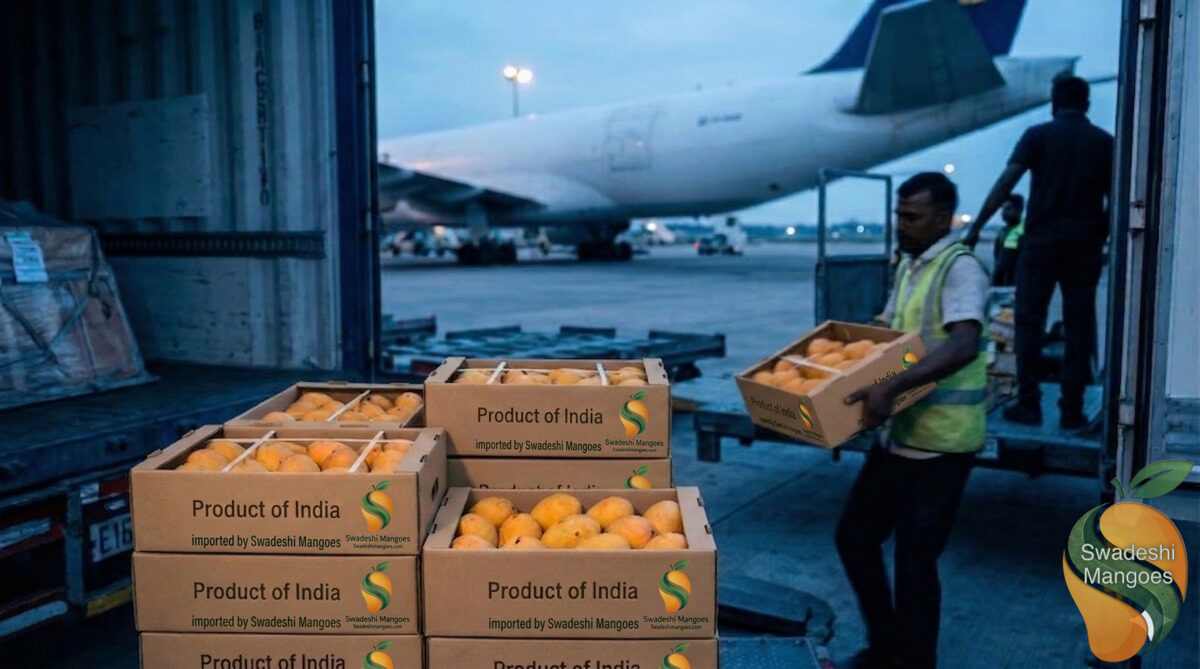
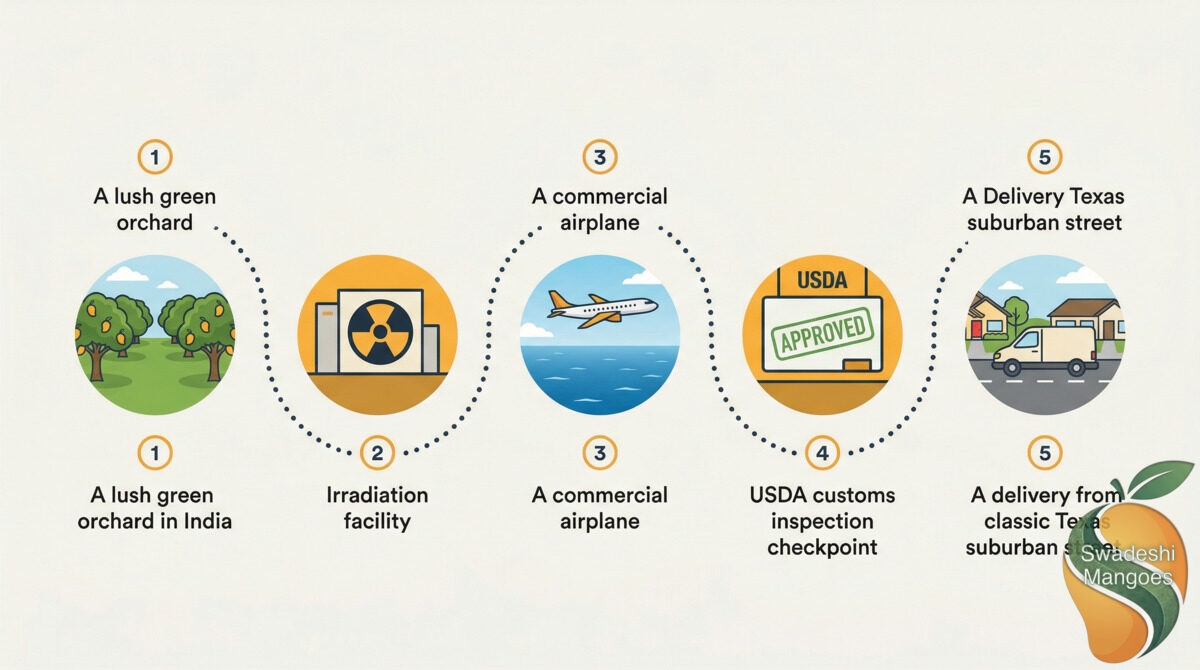
    1. Air Freight: Indian mangoes are flown 9,000+ miles from India to the US. Mexican mangoes are trucked across the border. Learn more about how Indian mangoes are imported to the US.
    2. USDA Irradiation: Every Indian mango must undergo irradiation at USDA-approved facilities in India before export. Mexico uses cheaper hot water treatment.
    3. Limited Season: Indian varieties are available for only 8–12 weeks per year. Mexican mangoes are available nearly year-round.
    4. Demand vs. Supply: India exports less than 1% of its mango production. The Indian diaspora in the US creates intense demand for limited supply.
    5. Quality Selection: Export-grade Indian mangoes are the top 10–15% of the harvest. Only the best fruit makes the journey.

    Is it worth it? For families who grew up eating Alphonso or Banginapalli, the answer is obvious. For newcomers, one box will tell you why Indian mangoes are called the “King of Fruits.”


    Which Indian Mango Should You Try First?

    If you are used to supermarket mangoes and want to experience the Indian difference:

    • Start with Banginapalli if you want approachable sweetness, large fruit, and a fiberless texture your whole family will love.
    • Try Alphonso if you want the ultimate, once-in-a-lifetime mango experience — the world’s most celebrated variety.
    • Go with Kesar if you love aromatic fruits and want to make mango lassi, aam ras, or smoothies that taste like nothing you have had before.
    • Explore Totapuri if you enjoy cooking — it is ideal for pickles, chutneys, and mango dal.

    See our complete varieties page for detailed profiles of every variety we carry.


    Frequently Asked Questions

    Are Indian mangoes available year-round in the US?

    No. Indian mangoes are seasonal, available from approximately mid-April through mid-July. This limited window is part of what makes them special — and it is why demand spikes every spring. Pre-ordering is recommended since popular varieties sell out quickly. Check our 2026 Indian mango season guide for Texas for exact arrival dates and variety schedules.

    Why don’t grocery stores carry Indian mangoes?

    Some specialty Indian grocery stores do carry them seasonally. However, the irradiation requirement, short shelf life, air freight costs, and limited supply make mass retail distribution challenging. Community-based delivery services like Swadeshi Mangoes can offer better freshness and pricing through group orders.

    Are Indian mangoes safe to eat? What about irradiation?

    Absolutely. USDA-mandated irradiation is endorsed by the World Health Organization (WHO), FDA, and USDA as safe. It eliminates quarantine pests without leaving any residue or altering nutritional content. Over 60 countries approve irradiation for food safety.

    Is the Ataulfo (Honey) mango similar to Indian mangoes?

    Ataulfo is the closest supermarket variety to an Indian mango — it is smooth, sweet, and relatively low-fiber. However, it lacks the aromatic intensity and higher beta-carotene content of Indian varieties like Alphonso and Kesar. Think of Ataulfo as a “good everyday mango” and Alphonso as a “special occasion mango.”

    Can I buy Indian mangoes in Austin, Dallas, Houston, or San Antonio?

    Yes. Swadeshi Mangoes delivers fresh, USDA-approved Indian mangoes across all major Texas metros including Austin, Dallas, Houston, and San Antonio. Visit our order page to browse available varieties.


    References


    Ready to taste the difference?

    Order Indian Mangoes in Texas →

    Season: April–July • Refer a friend and earn $5Explore all varieties

Chat on WhatsApp