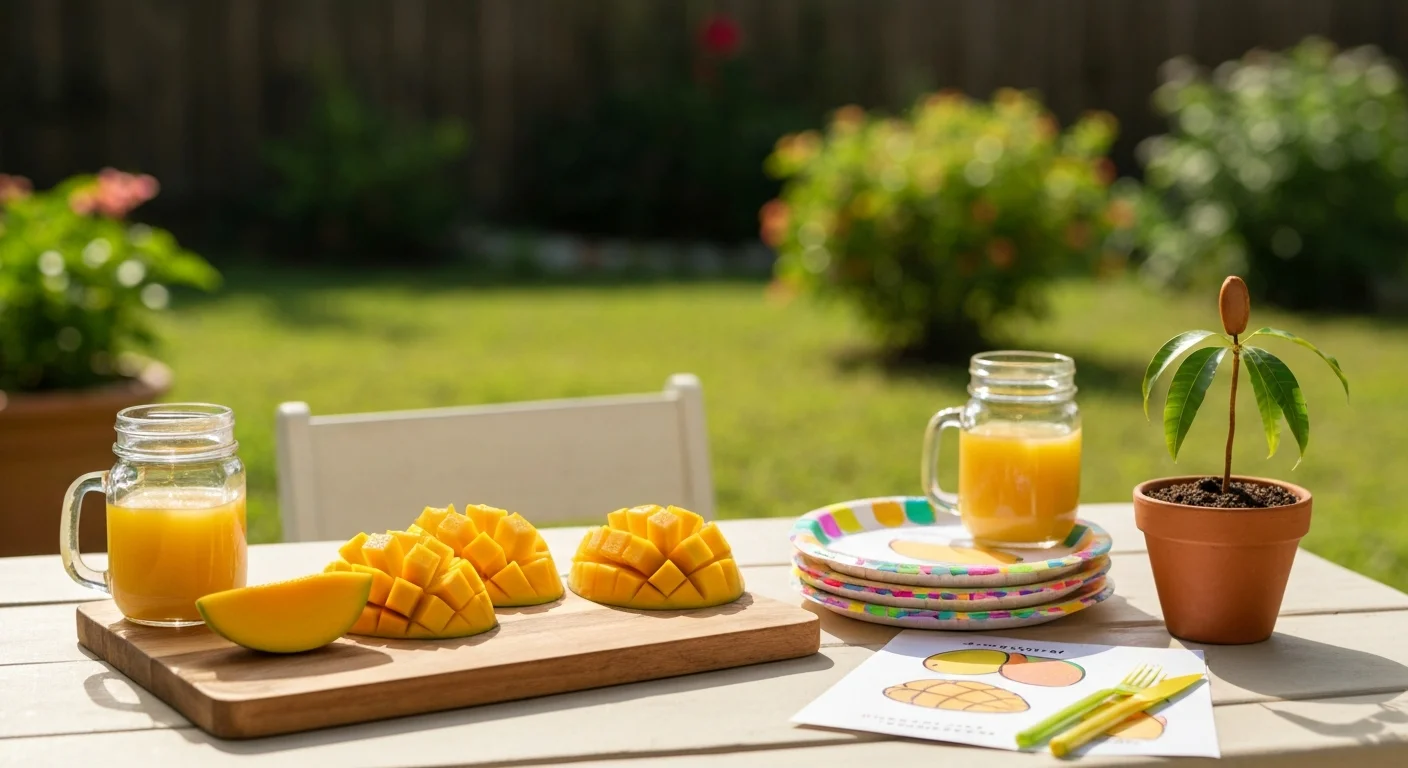
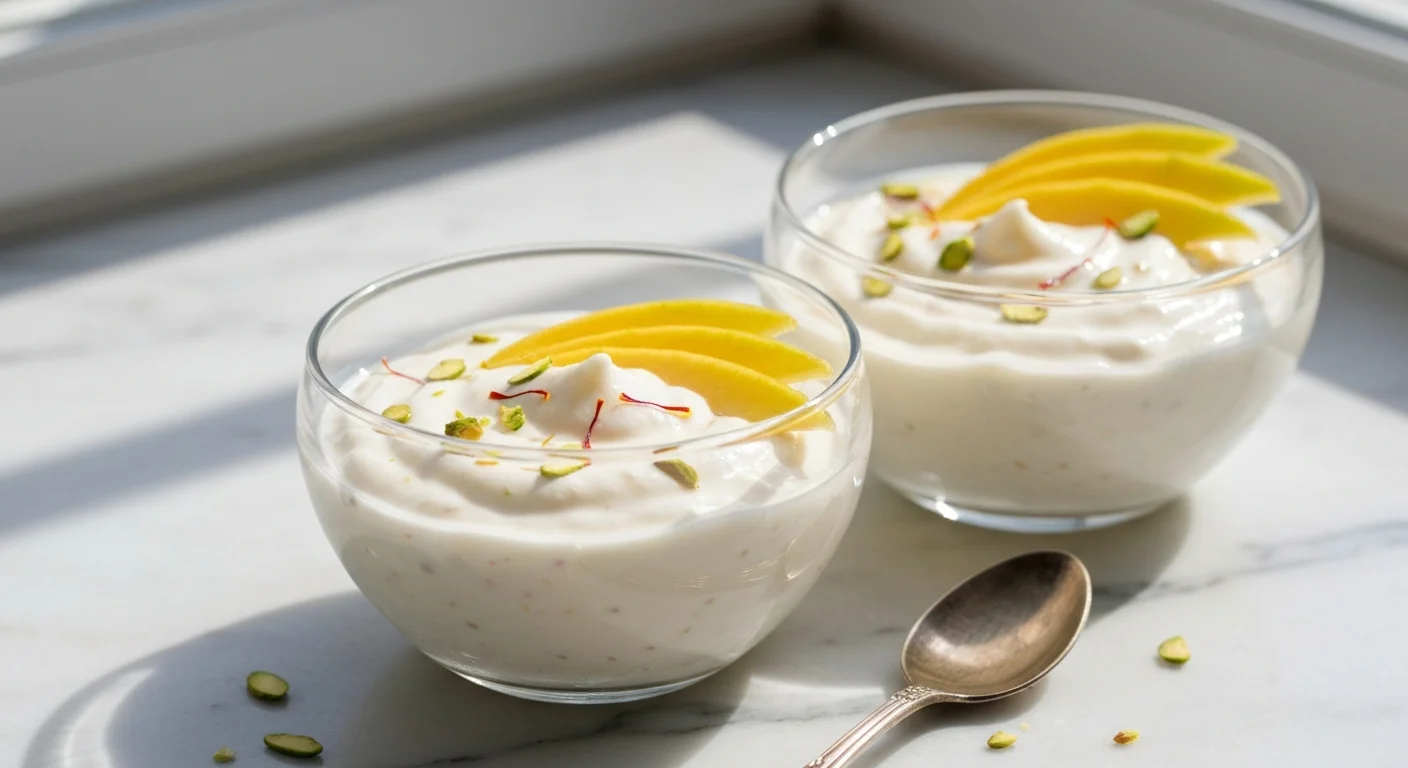
Quick answer: Mango shrikhand, also known as amrakhand, is a Gujarati and Maharashtrian dessert made from strained yogurt (hung curd) blended with ripe mango puree, powdered sugar, cardamom, and saffron. It takes 10 minutes of active work plus 4 hours of draining, is vegetarian and gluten-free, and it is the single most requested dessert in our Austin home every summer. Alphonso or Kesar mango gives the best color and aroma. Serve chilled in small bowls garnished with pistachios.
History and Origin
Shrikhand is one of the oldest recorded desserts in India. Mentions of chakka, the strained yogurt base, appear in Sanskrit texts more than two thousand years old. The dish is believed to have originated among the Saraswat Brahmins of coastal Maharashtra and Goa, spreading across Gujarat where it became a festival staple for Akshaya Tritiya, Gudi Padwa, and every wedding feast worth attending.
Plain shrikhand is flavored with saffron, cardamom, and charoli nuts. Mango shrikhand, or amrakhand, is a late-summer innovation that showcases the brief Alphonso season in the Konkan coast. The Gujarati diaspora brought shrikhand across the world, and today any thali restaurant from Mumbai to Edison to Houston serves a small katori of amrakhand alongside puri. My paternal family in Surat used to refrigerate fresh shrikhand in a clay pot overnight. The earthen chill of the matka added a note you cannot get from a glass bowl, but here in our Texas kitchen a stainless steel bowl and a solid refrigerator do just fine. On a 102-degree afternoon in Austin, a small glass of chilled amrakhand feels like air conditioning for your soul.
What I love about this dish is that every Gujarati family claims theirs is the best, and they are all a little bit right. Some Kathiawadi families add a touch of nutmeg. Some Mumbai Gujaratis fold in a spoon of vanilla-infused cream at the end. Surat families, my father included, insist on a generous handful of charoli nuts, a small almond-like seed with a gentle floral flavor that is nearly impossible to find in Texas, but slivered almonds make a graceful substitute. Every time I make shrikhand for my kids in our Austin kitchen, I think of my dadi mixing chakka by hand on a warm April afternoon with all the windows open. The recipe is a memory as much as it is a dessert.
Ingredients
This is a tiny-ingredient, big-impact recipe. Use the best mango you have.
- 2 cups full-fat plain yogurt (Greek-style works but Indian dahi is better, 500 g)
- 1 cup fresh Alphonso or Kesar mango puree (about 2 ripe Alphonso, 250 g)
- 1/3 cup powdered sugar, sifted (about 40 g, adjust to mango sweetness)
- 1/2 teaspoon green cardamom powder (from about 8 pods)
- 1/4 teaspoon saffron threads, soaked in 1 tablespoon warm milk
- 2 tablespoons slivered pistachios, for garnish
- 2 tablespoons slivered almonds, for garnish
- Fresh mango slices, for topping (optional)
Prep time: 10 minutes active, 4 hours draining. Cook time: 0 minutes. Serves: 6. Dietary: vegetarian, gluten-free.
Method
- Hang the curd (4 hours, mostly hands-off). Line a sieve or colander with a clean muslin cloth or two layers of cheesecloth. Pour the yogurt onto the cloth, gather the corners, and tie into a bundle. Suspend over a bowl in the fridge for 4 hours, or up to overnight. You should lose roughly half the volume to whey. The remaining chakka should feel firm like thick cream cheese. Do not skip this step. Wet yogurt makes runny shrikhand.
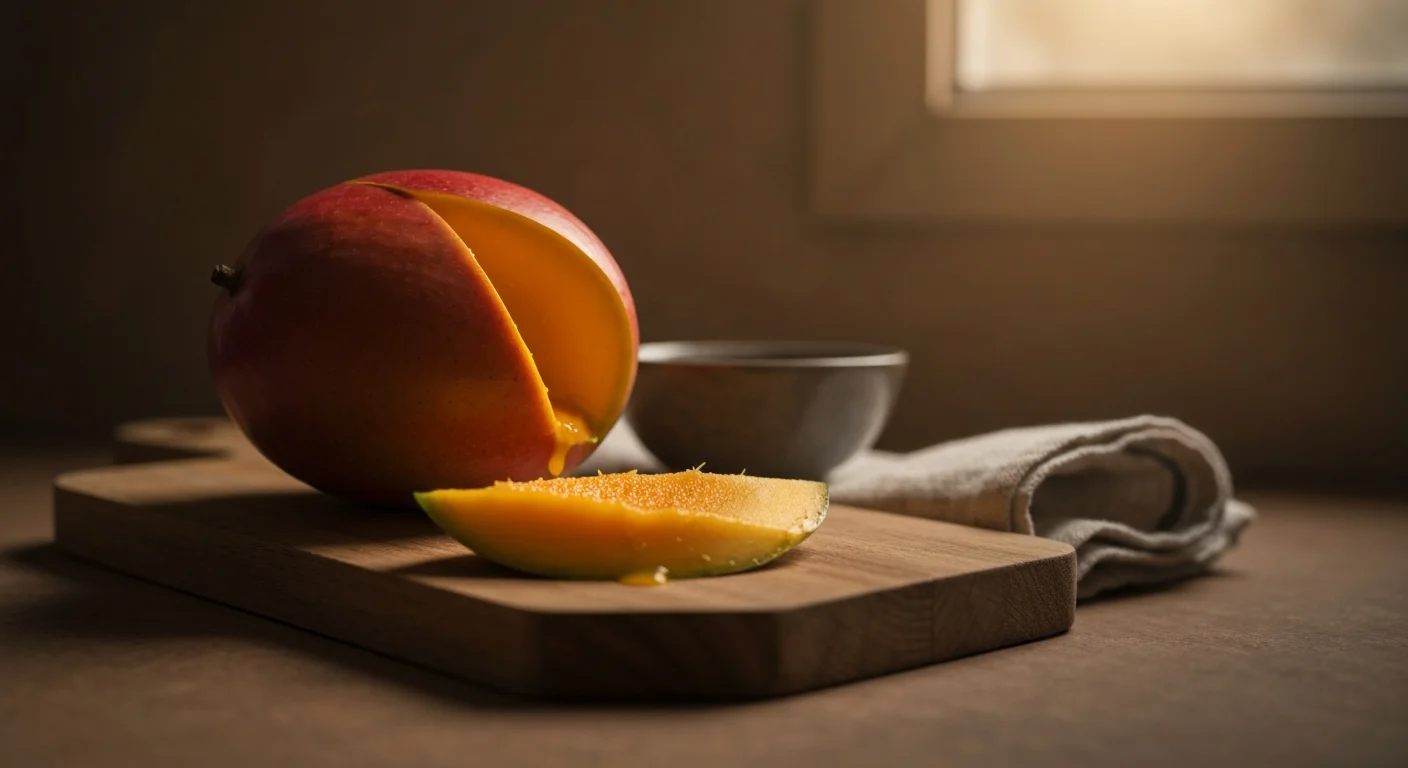
- Make the mango puree (3 minutes). Peel and chop 2 ripe Alphonso. Blend smooth with 1 tablespoon of water or until completely lump-free. Strain through a fine sieve for a silky finish. You should have about 1 cup.
- Bloom the saffron (during draining). Warm 1 tablespoon of milk, add saffron threads, and let steep for at least 15 minutes. The liquid should turn bright orange.
- Whisk the base (3 minutes). Scrape the chakka into a mixing bowl. Add powdered sugar and whisk vigorously with a balloon whisk until smooth and glossy, about 90 seconds. No lumps allowed.
- Fold in mango and flavor (2 minutes). Add the mango puree, saffron milk, and cardamom powder. Fold gently with a spatula until streak-free. Taste and adjust sugar.
- Chill and garnish (at least 1 hour). Transfer to serving bowls. Refrigerate at least 1 hour. Just before serving, top with slivered pistachios, almonds, and optional fresh mango slices.
Variety Recommendations
Shrikhand lives and dies by the mango you choose.
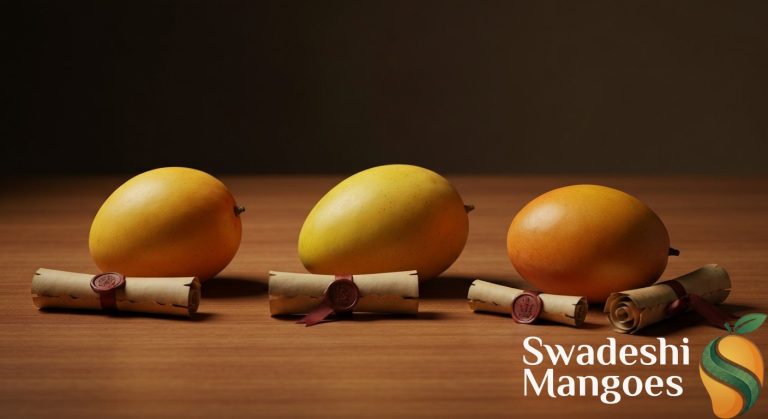
Best: Alphonso. The king of mangoes gives shrikhand its classic saffron-orange color, creamy puree, and perfumed aroma. If Alphonso is in season, buy it for this dish and nothing else. Pre-order Alphonso during peak May and June.
Second best: Kesar. Slightly more tart, deeper orange, and equally aromatic. Many Gujarati families actually prefer Kesar because the flavor is bolder and the puree holds up against the tang of yogurt.
Great alternative: Mallika. Smooth, fiber-free flesh with a pineapple-honey note. Makes an elegant shrikhand with a slightly different aroma profile.
Good in a pinch: Chinna Rasalu or Himayath. Both are juice mangoes so they puree beautifully, though the color is paler and flavor softer.
Avoid: Totapuri and Banginapalli. Too firm, too low in aroma, better used in salsa.
Tips
- The draining is everything. Under-drained yogurt makes thin, weepy shrikhand. If yours still looks loose after 4 hours, hang it another 2.
- Sift the sugar. Powdered sugar clumps fast in humid Texas summers. Sift it directly into the chakka for silky results.
- Use whole-fat yogurt. Low-fat or nonfat yogurt makes gummy, sour shrikhand. This is not the recipe to count calories.
- Saffron on saffron. Bloom saffron in warm milk for the color. A tiny extra pinch on top at serving looks gorgeous.
- Mistake to avoid: over-sweetening. Mango brings its own sweetness. Start with 1/3 cup sugar, taste, and only then add more.
Serving Suggestions
Classic Gujarati: serve chilled amrakhand in small steel or glass bowls alongside hot puffed puri, a side of simple aloo sabzi, and kachumber salad. That combination is as close to religious as food gets. At our Austin dinner parties I serve shrikhand in small stemless wine glasses for a modern look. It also works beautifully as a parfait layered with granola and extra mango for Texas brunch, or spooned over warm mango-saffron poundcake for a fusion dessert that reliably wins over skeptical Texan guests in Dallas, Houston, and San Antonio. A small bowl after a heavy Tex-Mex dinner is our household’s favorite palate cleanser. I have also served shrikhand to serve as an unexpected topping for buttermilk pancakes on Sunday mornings, and our Fort Worth customers swear by using it as a filling for crepes alongside fresh berries. For weddings and baby showers across Texas, consider piping shrikhand through a star tip into tiny dessert cups and topping with edible rose petals: it is the most Instagram-friendly Indian dessert you can produce with fifteen minutes of real work.
Storage
Mango shrikhand keeps in an airtight glass container in the fridge for 3 days. The color dulls slightly after day one but the flavor remains excellent. Stir before serving. Do not freeze, as the yogurt proteins separate and the texture turns grainy. If making ahead for a party, hold the pistachio garnish until just before serving so it stays crisp. See USDA FoodData Central for yogurt and mango nutritional breakdowns.
FAQ
Can I use frozen mango pulp instead of fresh? Yes, canned Alphonso pulp works in a pinch, and many Indian families in Texas use it year-round. Use 1 cup of canned pulp but reduce added sugar to 2 tablespoons since canned pulp is pre-sweetened. Fresh Alphonso still gives the best aroma and color.
How long does mango shrikhand keep? Up to 3 days refrigerated in an airtight glass container. The color and aroma are brightest on day one and day two. Do not freeze, as yogurt separates when thawed and the creamy texture breaks down into a grainy, watery mess that cannot be recovered.
Is shrikhand supposed to be very thick? Yes, it should hold a soft peak when you lift a spoon, about the consistency of thick whipped cream or very soft cream cheese. If yours is pourable, the yogurt was not drained long enough. Hang it another 2 hours and try again.
What mango is best for shrikhand? Alphonso for its perfumed aroma and signature saffron-orange color, or Kesar for a bolder, slightly tarter finish. Both produce a smooth, fiber-free puree that blends into the chakka without lumps. Avoid firmer varieties like Totapuri, which are better for savory dishes.
Can I make shrikhand dairy-free or vegan? Yes. Use thick coconut yogurt or cashew yogurt and hang it the same way for 4 hours. The flavor profile changes slightly because coconut adds its own sweetness, so reduce sugar by half and add an extra pinch of cardamom. Perfect for lactose-intolerant guests at Texas summer gatherings.
Recipe Card
Mango Shrikhand (Amrakhand)
Prep: 10 minutes active + 4 hours draining. Cook: 0 minutes. Serves: 6. Diet: Vegetarian, gluten-free.
Ingredients: 2 cups full-fat yogurt, 1 cup Alphonso mango puree, 1/3 cup powdered sugar, 1/2 tsp cardamom, pinch of saffron in 1 tbsp warm milk, pistachios and almonds for garnish.
Steps: Hang yogurt in muslin for 4 hours to make chakka. Whisk chakka with powdered sugar until smooth. Fold in mango puree, saffron milk, cardamom. Chill 1 hour. Garnish with nuts and fresh mango.
Explore our mango recipe archive or order ripe Alphonso for Texas delivery.

Swadeshi Mangoes
Swadeshi Mangoes is a community-driven Indian mango pickup network operated by Swadeshi Central TX LLC, headquartered in Round Rock, Texas. We bring authentic, USDA-inspected Indian mangoes — Alphonso, Banginapalli, Kesar, and more — to families through local pickup in multiple US cities, every season since 2025.