Last week, the Wall Street Journal published a feature on the cult of Indian mangoes in America — the WhatsApp alerts at dawn, the parking-lot pickups, the customers paying close to $1,000 for a full-season subscription. You can read the full piece here: Americans Will Do Anything to Get Indian Mangoes.
If you’ve been waiting for mainstream America to catch up to what Indian kitchens have known forever, this is the moment.
But there’s one part of the story the article only brushed past — and it happens to be the heart of what we do at Swadeshi Mangoes.
What the WSJ Got Right
The reporting nails the things our customers ask us about every day:
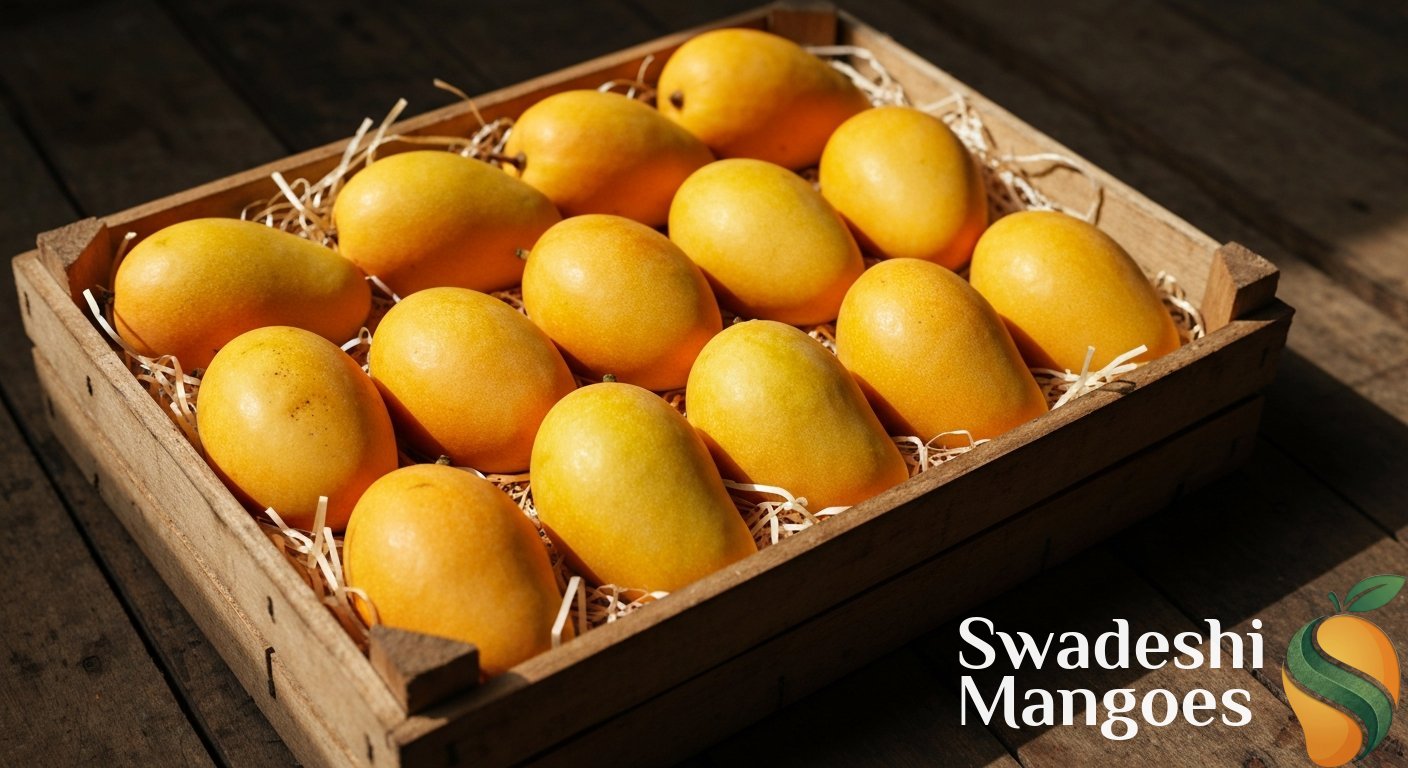
The price jump. A box of premium Indian mangoes runs $50 to $60 this season, up from $40 to $45 last year. Iran-war airfreight costs and tariff uncertainty are real, and every importer in the country is navigating the same squeeze.
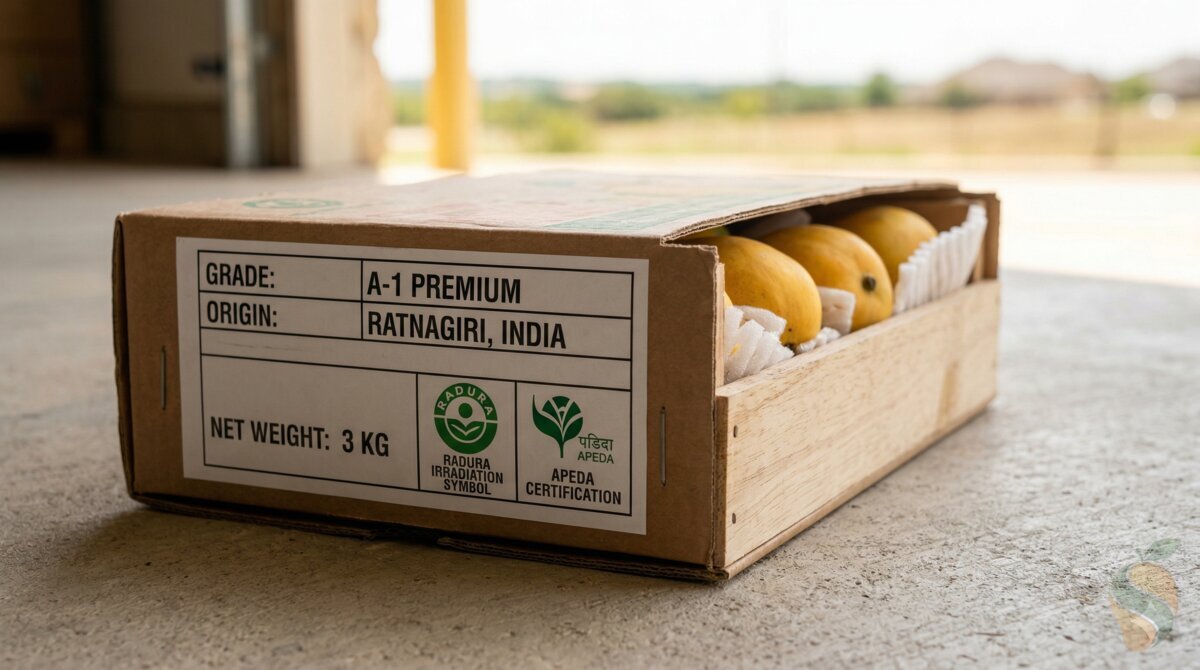
The seven-day window. From irradiation in India to a customer’s hands in the US, the supply chain has to move in roughly a week. There’s almost no margin for error — one paperwork mismatch or one delayed flight, and an entire shipment can be lost. We’ve built a network of 30+ local pickup agents precisely to absorb that risk: when a flight slips, the pickup chain bends instead of breaking.
The South India bottleneck. A single certified irradiation center in Bengaluru handles all the southern fruit headed to the U.S. When that backs up, everyone waits.
The American convert. One importer told the Journal that his most loyal customers aren’t Indian expats — they’re Americans who tasted one and never went back. We see exactly the same pattern at our pickup points.
Every detail in that reporting matches what we live at the Round Rock pickup, at our drop points across Austin, Dallas, Houston, San Antonio, and Atlanta, and in the dozens of WhatsApp messages we field every morning.
What the WSJ Mentioned in Passing
The article lists the major Indian mango varieties: Alphonso from Maharashtra, Kesar from Gujarat, Chausa and Langra from the north — and Banginapalli from the south.
That’s it. One word. Banginapalli.
For most American food writers, the Indian mango story begins and ends with Alphonso. That’s understandable — Alphonso has the brand, the marketing, and a century of mythology behind it. But for those of us from South India, the mango story has always started somewhere else.
The South India Mango Story
Banginapalli was born in Banaganapalle, in Andhra Pradesh’s Kurnool district — registered with India’s GI Registry under that town’s name. But the mango traveled. In Tamil Nadu it ripens as Bangalora. In Karnataka it’s known as Banganapalle or Safeda. Different names, same fruit, the anchor variety on summer tables from Hyderabad to Bengaluru to Chennai.
We grew up cutting them open at the kitchen counter, juice running down our wrists in the Guntur heat. Our Tamil neighbors had the same memory under a different name. So did our Kannada cousins.
Then there’s Chinna Rasalu — a variety the Journal didn’t mention at all, and that most American food writers have never heard of. Smaller, intensely aromatic, the kind of mango you don’t slice but squeeze and drink straight from the skin. In Telugu households, Chinna Rasalu isn’t a luxury. It’s summer.
And there’s Himayath — which goes by Imam Pasand in Hyderabad and parts of Tamil Nadu, where it has cult status. Soft, creamy, almost custard-textured. The same fruit Andhra grandparents call by one name and Tamil grandparents call by another, both of them right.
Past these, South India has its own mango pantheon — Mallika, the hybrid loved across Bengaluru kitchens; Sendhura, the deep-red Tamil Nadu summer; Raspuri, Karnataka’s juicing mango. We don’t grow or import every one of them, but they’re part of the larger story the WSJ piece didn’t have room for. (See our full variety list for what we carry this season.)
The Diaspora Story Most People Get Wrong
There’s a familiar narrative about Indian immigrants in America: they miss the Alphonso of their childhood and finally taste one in a grocery store in Edison or Sunnyvale and burst into tears.
That isn’t our story.
For many South Indian families across our pickup network — Telugu, Tamil, Kannada, Malayali — the first mango of childhood wasn’t Alphonso. It was Banginapalli. Or Bangalora. Or Imam Pasand. Or Chinna Rasalu. Different names, different households, same summer.
The first time many of us tasted Alphonso was right here in America, from another importer’s box. It was good. It wasn’t home.
When a customer walks up to one of our pickup points holding a box of Banginapalli, what we see most often isn’t curiosity. It’s recognition.
What This Season Looks Like
The WSJ piece confirms what we’ve been watching all spring. Demand is climbing. Supply is constrained. And the American mainstream is finally paying attention.
Preorders for premium Indian mangoes sold out across the industry before the first plane left Mumbai. The window is short — twelve weeks, give or take, and it shrinks every time a flight gets rerouted around the Persian Gulf.
If you’ve been on the fence about ordering this year, this is the season to commit.
Reserve your Banginapalli box this season →
New pickup cities coming online across the Southeast — if you’re in the Carolinas and want to be on the early list, message us on WhatsApp.

Swadeshi Mangoes
Swadeshi Mangoes is a community-driven Indian mango pickup network operated by Swadeshi Central TX LLC, headquartered in Round Rock, Texas. We bring authentic, USDA-inspected Indian mangoes — Alphonso, Banginapalli, Kesar, and more — to families through local pickup in multiple US cities, every season since 2025.