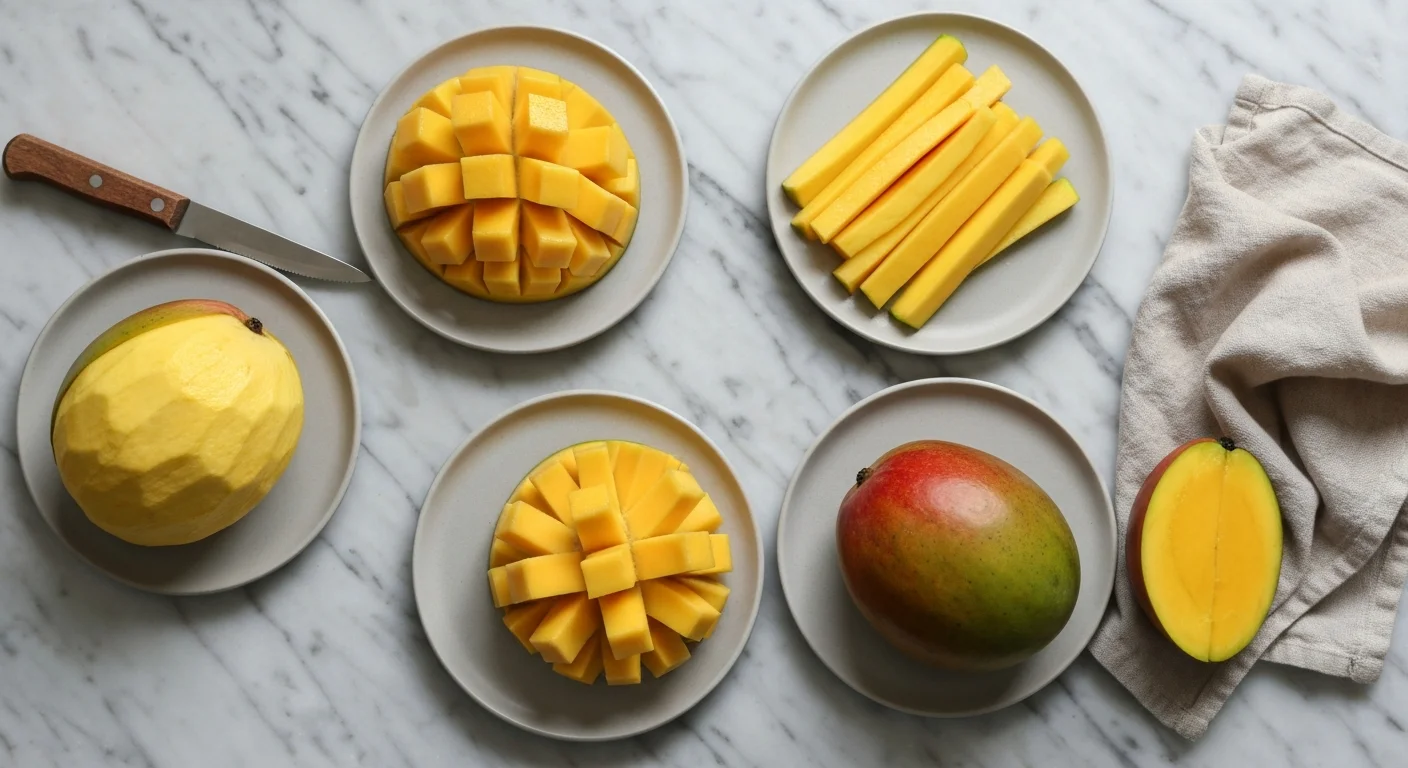
The fastest no-waste way to peel a mango is the spoon method for ripe fruit and the hedgehog cut for firmer fruit. A ripe Alphonso or Kesar peels in under 60 seconds with a metal spoon, losing less than 5% of the flesh. Choose your method based on ripeness: spoon or glass for soft mangoes, paring knife for medium, hedgehog cubes for presentation. Every technique below is tested in our Austin kitchen with Texas-delivered Swadeshi mangoes.
Why Peeling Technique Matters More Than You Think
One customer in Houston told me she was throwing away nearly a third of every mango because she was peeling it like a potato. That is not unusual. The mango has a flat, fibrous pit that runs the length of the fruit, and the skin clings differently depending on variety and ripeness. A technique that works beautifully on an Alphonso will mangle a Chaunsa. Before we get into the four methods, a quick note on food safety: the FDA recommends washing all whole produce under running water before peeling, even if you plan to discard the skin, because the knife can transfer surface bacteria to the flesh.
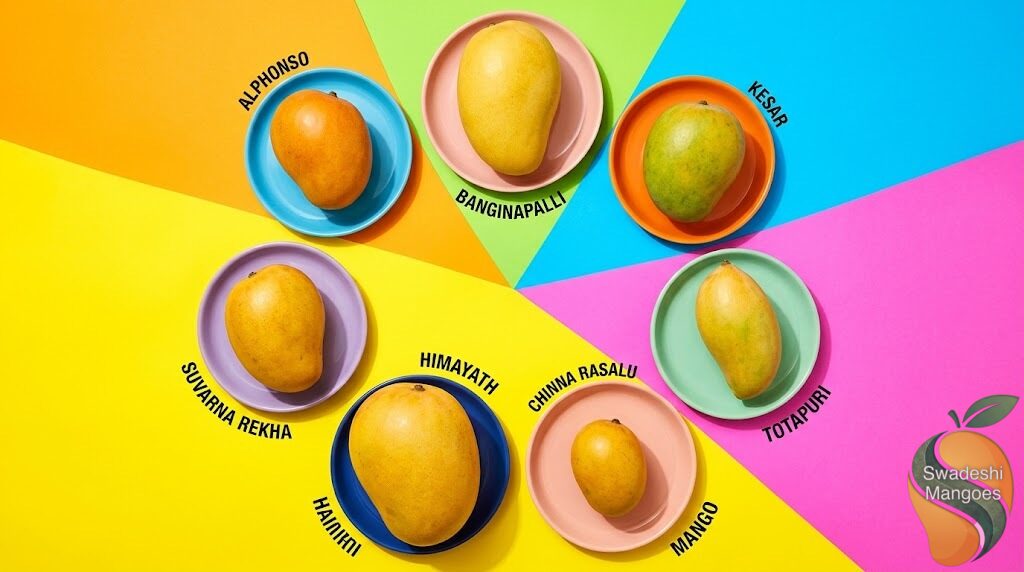
In Texas, where summer heat accelerates ripening on your countertop, you may find yourself with a batch of mangoes at four different ripeness stages on the same day. That is why knowing all four peeling methods pays off. If you have not yet picked your variety, our mango varieties page breaks down texture and fiber content for each of the nine we deliver.
Method 1: The Spoon Method (Best for Ripe Mangoes)
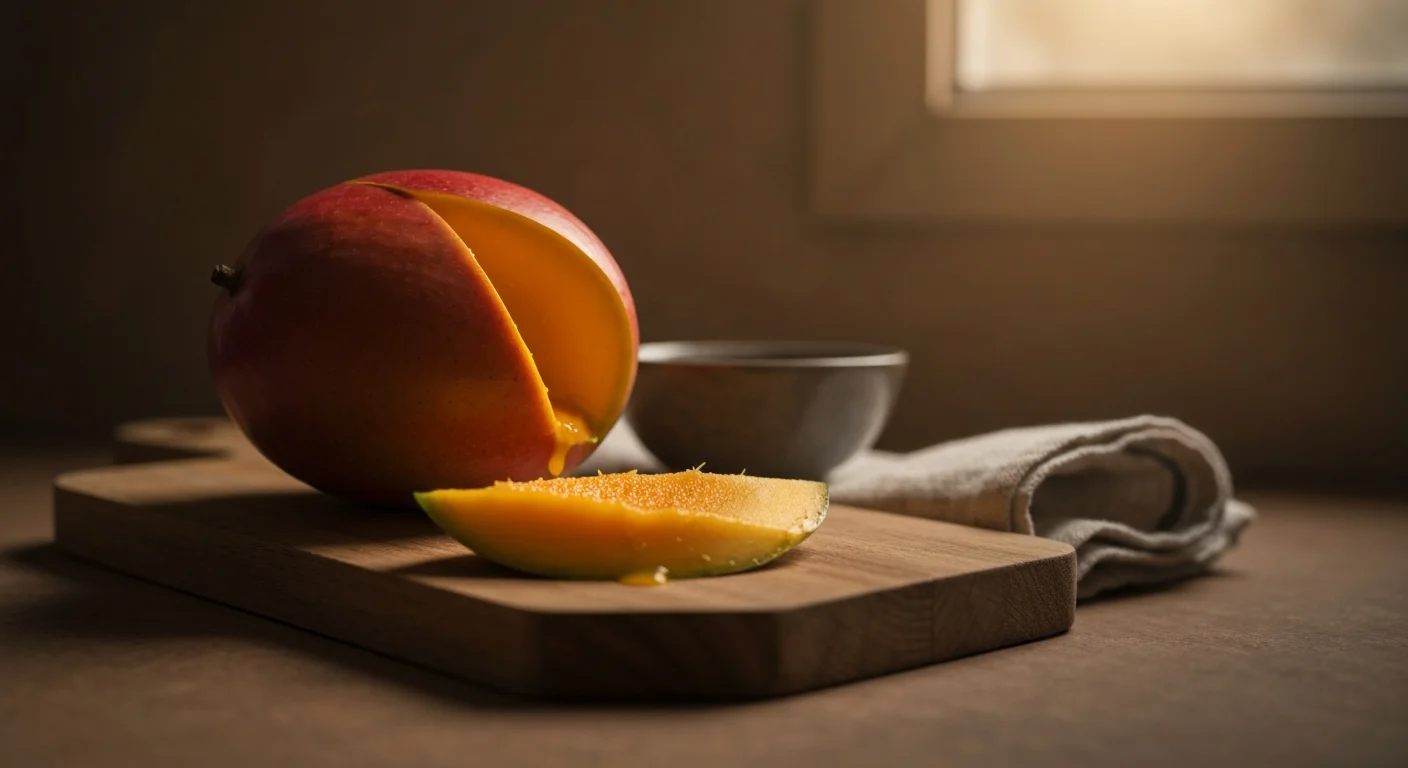
This is my go-to for an Alphonso so ripe it almost squishes in your hand. It takes about 45 seconds and wastes almost nothing.
- Wash and dry the mango under cool running water for 20 seconds.
- Slice off the top (stem end) about a quarter inch down using a paring knife.
- Insert a metal tablespoon between the skin and the flesh at the cut end. Angle the bowl of the spoon toward the skin.
- Push the spoon down the length of the mango, hugging the inside of the peel. Rotate the fruit a quarter turn and repeat.
- Remove the whole peeled flesh in one or two large pieces, then slice around the pit.
Common mistake: using a plastic or wooden spoon. The edge is too dull. You need a thin stainless steel spoon with a slightly sharp rim.
Method 2: The Glass Rim Method (Great for Kids and First-Timers)
Popular on social media for good reason. The rim of a drinking glass acts as a circular scraper. Halve the mango along the pit first (see Method 4 for the two-cheek cut). Then press the cut edge of the mango half against the rim of a sturdy glass and push down. The flesh slides into the glass while the skin stays in your hand.
- Best glass: a pint glass or mason jar with a thick, straight rim.
- Works best on mangoes that are ripe but still firm enough to hold shape.
- Takes about 30 seconds per half.
- Kids in Dallas and San Antonio especially love this method because there is no knife contact after the initial cut.
Method 3: The Paring Knife Peel (Best for Firm or Green Mangoes)
If you are making aam ka panna or a green mango pickle, this is your method. A sharp 3.5-inch paring knife is all you need.
- Stand the mango on its flat side on a cutting board.
- Starting at the top, slide the knife under the skin and shave downward in long strips.
- Work your way around the fruit in 8 to 10 strips.
- Catch and use the peel for chutney if the variety is organic.
Texas A&M AgriLife Extension notes that unripe mango flesh contains higher levels of pectin and starches, which is why firm mangoes hold shape better for knife peeling without collapsing.
Method 4: The Hedgehog Cut (Best for Cubes and Presentation)
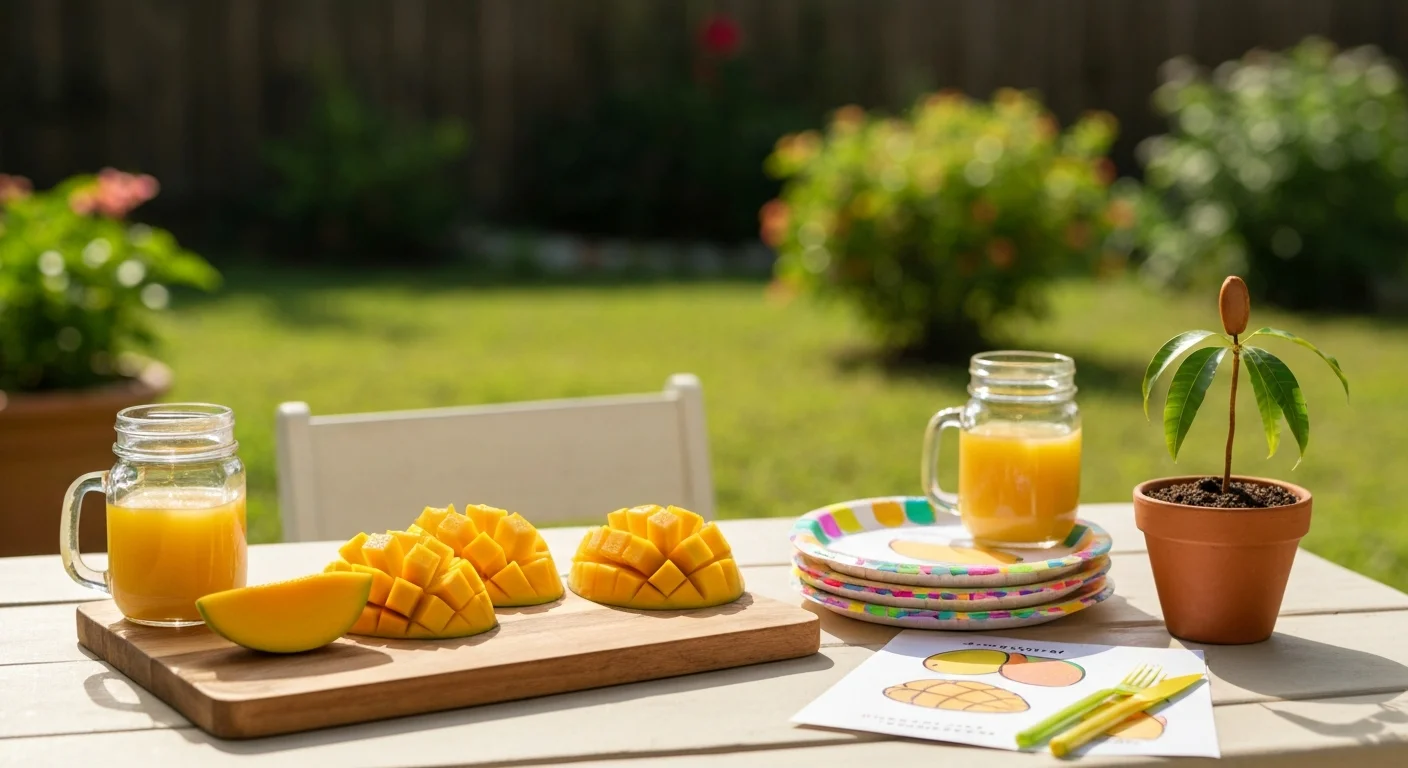
This is the Instagram-ready method and the one we demo at pickup events in Austin. The hedgehog cut gives you clean cubes with no wasted flesh against the pit.
- Stand the mango on its stem end. Find the flatter sides.
- Slice down about a quarter inch from the center on each flat side. You now have two “cheeks” and the pit section.
- On each cheek, score the flesh in a crosshatch pattern, cutting down to but not through the skin.
- Push up on the skin side to invert the cheek. The cubes pop outward like a hedgehog.
- Slide a knife or spoon along the skin to release the cubes into a bowl.
- Trim the remaining flesh off the pit with a paring knife.
Comparison Table: Which Method When?
| Method | Best Ripeness | Time | Waste % | Skill Level |
|---|---|---|---|---|
| Spoon | Very ripe | 45 sec | 3-5% | Easy |
| Glass rim | Medium-ripe | 60 sec | 5-7% | Very easy |
| Paring knife | Firm or green | 90 sec | 8-12% | Moderate |
| Hedgehog | Medium-ripe | 2 min | 6-10% | Easy |
Common Mistakes and Myths
- Myth: You have to peel before cutting. False. Hedgehog and glass methods cut first.
- Mistake: Peeling cold mangoes straight from the fridge. The skin tightens and tears the flesh. Let mangoes rest at room temperature for 15 minutes.
- Mistake: Using a serrated knife. Serrations drag and shred. Use a smooth, sharp paring knife.
- Myth: The skin is always safe to eat. Mango skin contains urushiol (same compound in poison ivy) and causes reactions in sensitive people. The National Mango Board advises cautious consumption of peel.
- Mistake: Pressing too hard with the spoon. Let the spoon edge do the work. Force tears flesh.
Saving the Scraps: Zero-Waste Moves
After peeling, do not toss the pit or the scraped peel. The flesh clinging to the pit blends into smoothies. Our post on what to do with the mango pit goes deeper on this. Dried peels flavor Texas sweet tea beautifully, and the juice squeezed from leftover scraps freezes into cubes for lassi.
Texas Kitchen Tips for Peeling in Summer
Because Austin, Houston, and San Antonio summers push kitchen temperatures over 85 degrees, your mango ripens faster than the recipe anticipates. Peel in the morning before the house heats up. Keep a damp towel on the cutting board to catch drips; mango juice oxidizes and stains quartz counters if left overnight. If you are peeling in bulk for a family gathering in Plano or Frisco, set up a two-station assembly line: one person halves, one person scoops.
FAQ
Q: Can I eat mango skin safely?
Mango skin is technically edible but contains urushiol, the same compound as poison ivy. People with sensitivity may develop rashes. Most Texas customers discard the peel. If you choose to eat it, wash thoroughly and consume only from organic, unwaxed mangoes to avoid pesticide residue on the surface.
Q: How do I peel a mango without it slipping everywhere?
Place a damp paper towel or silicone mat under your cutting board. Slice a small flat spot on the bottom of the mango so it stands steady. Keep hands dry by wiping after each cut. The spoon method is the least slippery because the fruit stays whole until the flesh is already released.
Q: Which method is best for making mango lassi?
For lassi, use the spoon method on very ripe Alphonso or Kesar mangoes from our Texas delivery. The flesh comes out soft and ready to blend without chopping. Hedgehog cubes are unnecessary because the blender purees everything anyway, and the spoon method is faster.
Q: Do I need special tools to peel mangoes?
No. A metal tablespoon, a sharp paring knife, and a sturdy drinking glass cover all four methods. Dedicated mango pitters exist but they only work on certain varieties and often waste more flesh than a knife. Your regular kitchen tools are better.
Q: Can I peel mangoes a day ahead for a Texas party?
Yes, with precautions. Toss peeled cubes in a tablespoon of lime juice per pound of fruit to prevent oxidation. Store in an airtight container in the coldest part of the fridge, not the door. Use within 24 hours. For longer storage, freeze in single layers on a tray, then bag. See our mango care guide for details.
A Note on Knives and Safety
Your peeling method is only as good as your tools. A dull paring knife is more dangerous than a sharp one because it slips. Spend $20 on a decent paring knife if you do not own one, and hone it monthly. Keep a damp kitchen towel under your cutting board to prevent slides. The FDA notes that most home kitchen cuts happen because of slipping produce, not the knife itself. If you have kids in the kitchen in Austin or Houston, use the spoon method; it is the only technique that needs zero sharp tools after the first cut. Use cut-resistant gloves from any Texas kitchen supply store if you are just learning. They run $10-15 and prevent most home injuries.
Variety-Specific Notes
Each of the nine varieties we deliver to Texas has a slightly different ideal peeling method. Alphonso: spoon method when fully ripe, hedgehog when firm. Kesar: glass rim is our favorite because the flesh is soft but the skin stays intact. Chaunsa: paring knife shave because the skin is thin and releases easily. Banganapalli: hedgehog cut for presentation since this variety slices beautifully. Totapuri: knife peel because it is often consumed green. Dasheri: spoon only; the flesh is almost liquid when ripe. Langra: glass rim or hedgehog. Himsagar: spoon for ripe, knife for firm. Malda: glass rim. For a full variety breakdown see our varieties page, and for storage after peeling consult our mango care guide. Our Texas customers across Austin, Houston, Dallas, San Antonio, Plano, and Frisco all have their favorites; try a few methods and keep notes on what works in your kitchen.

Swadeshi Mangoes
Swadeshi Mangoes is a community-driven Indian mango pickup network operated by Swadeshi Central TX LLC, headquartered in Round Rock, Texas. We bring authentic, USDA-inspected Indian mangoes — Alphonso, Banginapalli, Kesar, and more — to families through local pickup in multiple US cities, every season since 2025.