Before mango face masks became a $30 product at Sephora, Indian women were using fresh mango pulp on their skin for centuries. The science backs them up — mangoes are genuinely great for skin. Here are three DIY masks using mangoes that are slightly past their eating prime.
What makes mango effective as a skincare ingredient is that it contains the same active compounds — Vitamin C, alpha-hydroxy acids, and retinoids — found in expensive serums, but in a whole-food form that your skin absorbs beautifully. The mango actually contains a broader spectrum of beneficial compounds because it delivers them in their natural, synergistic form rather than as isolated chemicals.
Why Mango Works for Skin
Mango pulp contains:
- Vitamin C: Brightens skin and promotes collagen production
- Vitamin A (beta-carotene): Reduces dark spots and evens skin tone
- Alpha-hydroxy acids (AHAs): Natural chemical exfoliant that removes dead skin cells
- Antioxidants: Fight free radical damage from sun exposure
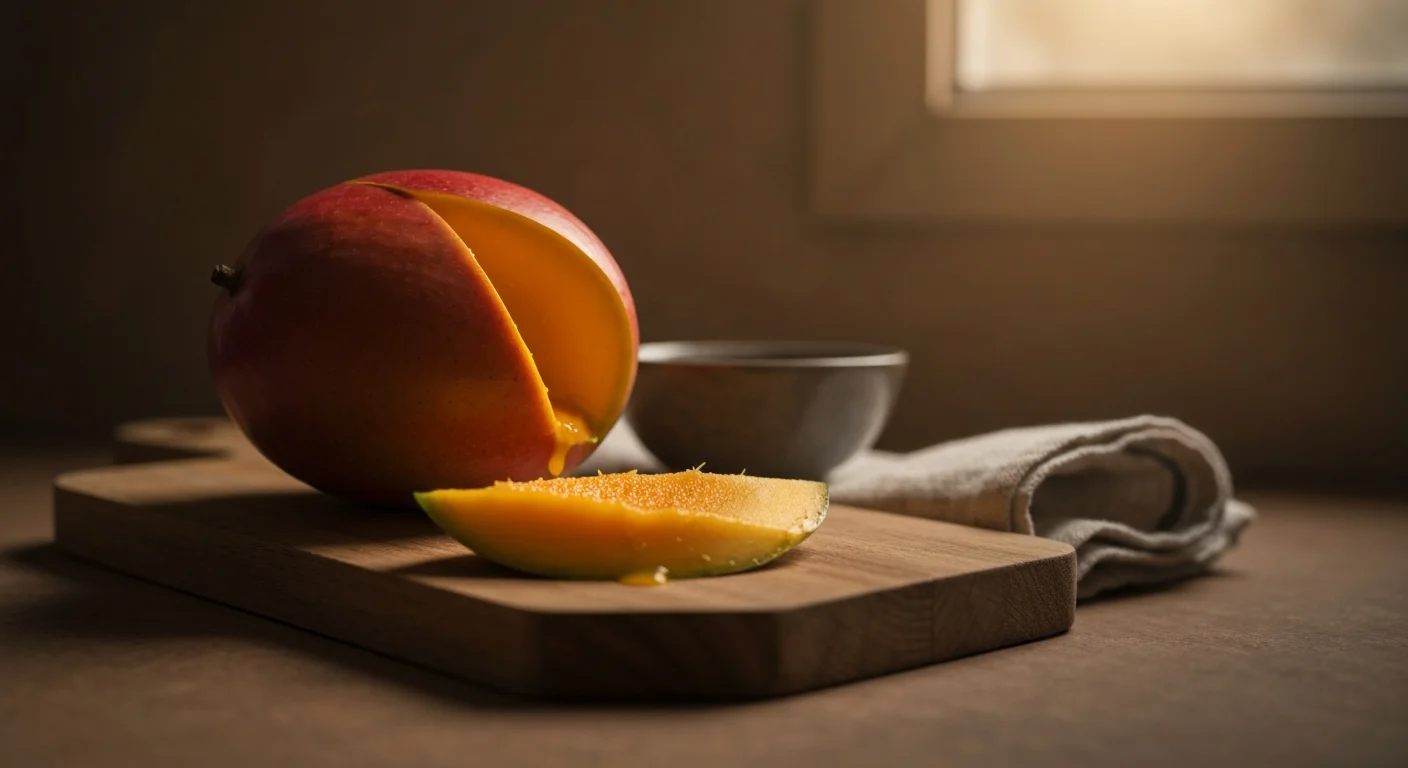
The best part: slightly overripe mangoes that are too soft to eat are perfect for face masks. The higher sugar content and softer texture make them easier to apply and more potent.
Mangoes also contain enzymes called proteases that gently break down dead skin cells — similar to professional enzyme peels. This enzymatic action is gentler than mechanical scrubbing and works at the cellular level, which is why mango face masks leave skin feeling genuinely renewed rather than just temporarily smooth.
Which Mango Varieties Work Best for Skincare
Any ripe mango will work, but certain varieties have properties better suited for specific skin concerns:
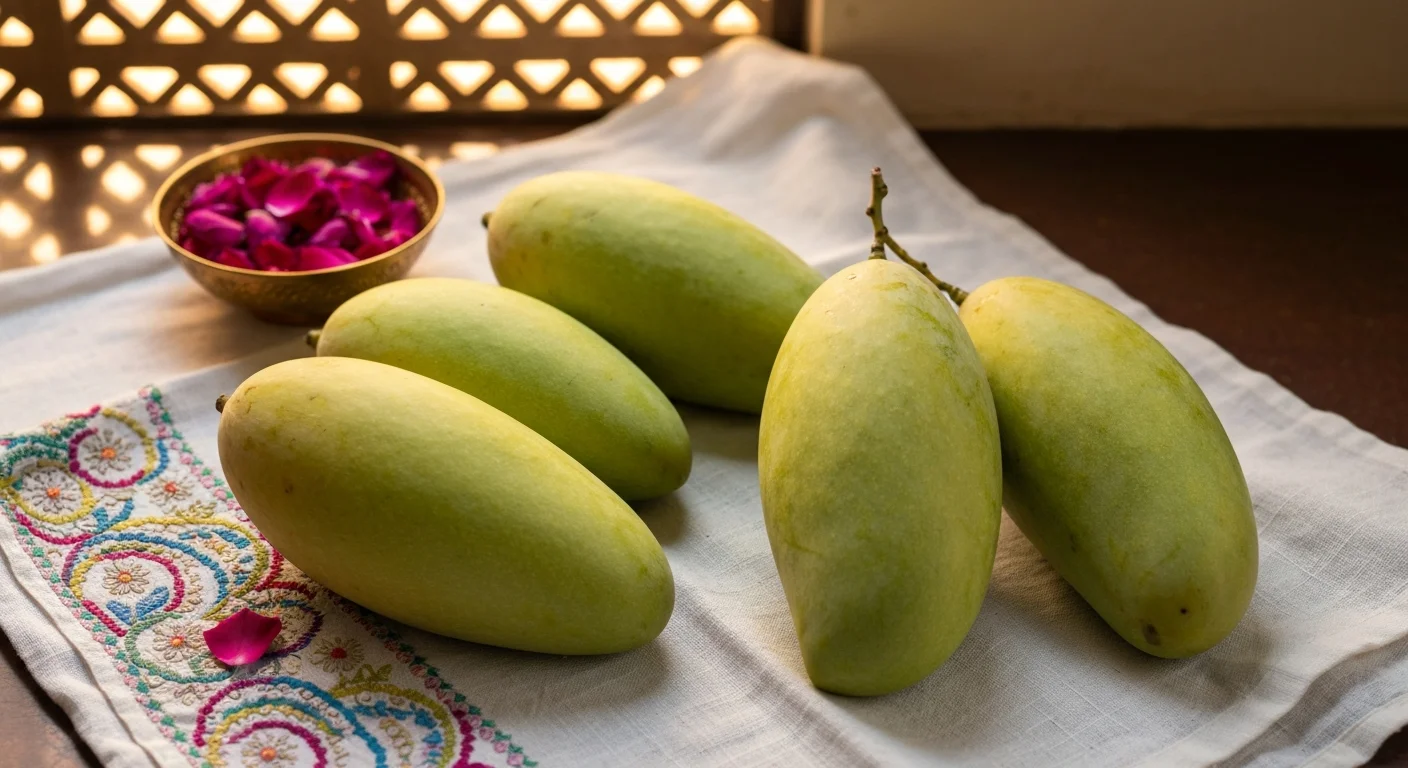
- Alphonso: Highest beta-carotene content of any Indian variety. Best for brightening and anti-aging masks. Produces the smoothest, creamiest pulp.
- Kesar: Excellent for sensitive skin due to balanced acidity. The natural sugars provide gentle humectant properties, drawing moisture into the skin.
- Banginapalli: Higher water content makes it ideal for hydrating masks. The larger fruit means more pulp per mango.
- Chinna Rasalu: Concentrated nutrients and strong aroma make the mask experience pleasant.
Mask 1: The Brightening Glow Mask
Best for: Dull, tired skin
Ingredients:
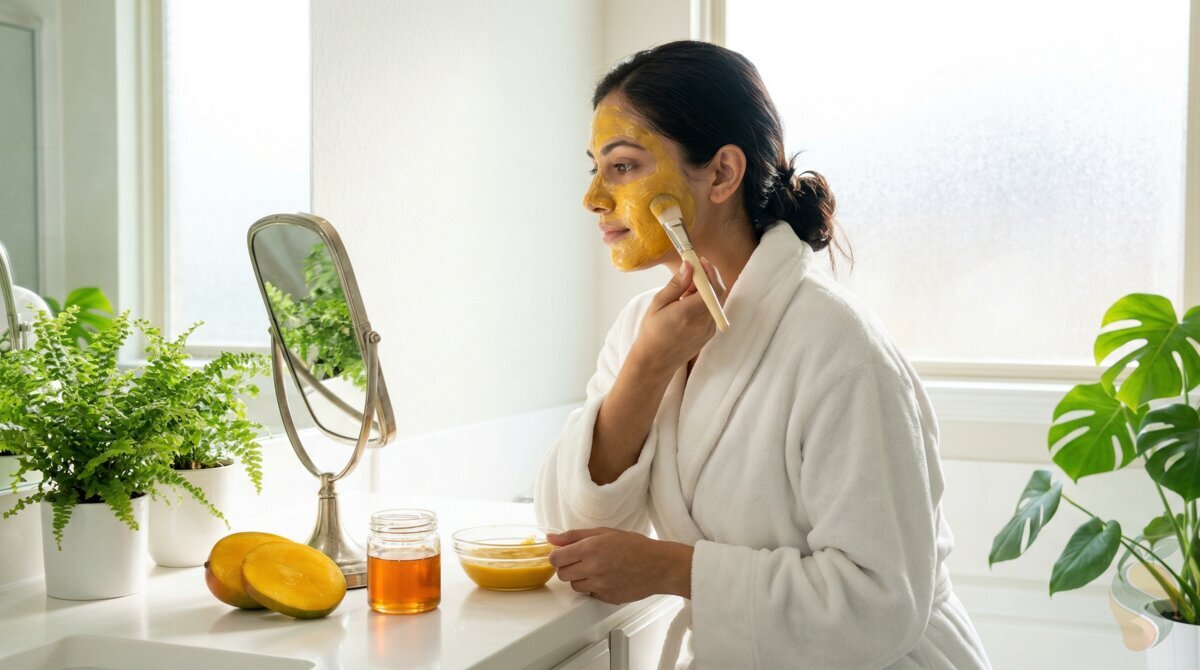
- 2 tablespoons ripe Alphonso pulp
- 1 tablespoon honey
- 1 teaspoon turmeric powder
Method: Mash the mango until smooth. Mix in honey and turmeric. Apply to clean face, avoiding the eye area. Leave for 15 minutes. Rinse with lukewarm water.
What it does: The Vitamin C in mango brightens, honey moisturizes and has antibacterial properties, and turmeric reduces inflammation. Your face will feel softer and look noticeably brighter.
The science: Vitamin C inhibits tyrosinase, the enzyme responsible for melanin production, interrupting the pigmentation that causes dark spots. Honey is a natural humectant that draws moisture from the air into your skin and contains mild antibacterial properties that help with acne. Turmeric’s curcumin is one of the most studied anti-inflammatory compounds in nature. Together, these three ingredients address dullness, dryness, and inflammation simultaneously.
Pro tip: Use this mask in the evening. Turmeric can leave a faint yellow tint on lighter skin tones that fades within hours. For best results, use twice a week for three weeks — you should notice a visible difference in brightness.
Mask 2: The Exfoliating Scrub
Best for: Textured skin, clogged pores
Ingredients:
- 2 tablespoons ripe mango pulp
- 1 tablespoon oatmeal (ground into a powder)
- 1 teaspoon yogurt
Method: Mix all ingredients into a paste. Gently massage onto face in circular motions for 2 minutes. Leave for 10 minutes. Rinse off.
What it does: The natural AHAs in mango dissolve dead skin cells while oatmeal provides gentle physical exfoliation. Yogurt adds lactic acid for extra brightening. Do this once a week maximum.
The science: This mask combines chemical and physical exfoliation. The AHAs loosen bonds between dead skin cells, allowing them to be removed without harsh scrubbing. Ground oatmeal is soft enough to polish without creating micro-tears (unlike sugar scrubs or walnut shell scrubs). Oatmeal also contains avenanthramides — anti-inflammatory compounds that calm the skin during exfoliation. The lactic acid in yogurt is one of the gentlest AHAs available, exfoliating while simultaneously hydrating.
Pro tip: For stubborn texture or blackheads, steam your face for 5 minutes before applying. This opens pores and allows the acids to penetrate more deeply. After rinsing, splash with cold water to close pores.
Mask 3: The Hydration Mask
Best for: Dry skin, especially after sun exposure
Ingredients:
- 2 tablespoons ripe mango pulp
- 1 tablespoon mashed avocado
- 1 teaspoon coconut oil
Method: Blend all ingredients until smooth. Apply a thick layer to face and neck. Relax for 20 minutes. Rinse with cool water.
What it does: Mango provides vitamins, avocado provides fatty acids, and coconut oil locks in moisture. This is essentially a natural version of a $60 hydrating sheet mask.
The science: Dry skin results from a compromised lipid barrier that cannot hold water. Avocado’s oleic acid penetrates the skin and repairs the barrier from within. Coconut oil acts as an occlusive, preventing water loss through evaporation. Mango delivers Vitamin C and antioxidants that promote collagen synthesis. This three-layer approach (repair, seal, nourish) is what expensive moisturizers aim to replicate.
Pro tip: This mask is especially effective in Texas summers when AC dries out your skin and sun exposure damages the barrier. Apply after a day at the pool or a long afternoon outdoors. You can leave it on for up to 30 minutes for very dry skin.
Bonus: Mango Body Scrub for Summer
Ingredients:
- Half a ripe mango (any variety — Banginapalli gives the most pulp)
- Half cup of brown sugar
- 2 tablespoons melted coconut oil
- Juice of half a lime
Method: Mash the mango and mix with brown sugar, coconut oil, and lime juice. In the shower, massage onto damp skin in circular motions, focusing on elbows, knees, and heels. Rinse thoroughly. Pat dry and apply lotion while skin is still damp.
What it does: Sugar provides physical exfoliation, mango delivers vitamins and enzymes, coconut oil moisturizes, and lime juice brightens and tones. Your skin will feel impossibly smooth for days. The lime also helps even out tan lines — a common Texas concern.
Tips for DIY Mango Masks
- Patch test first: Apply a small amount to your inner wrist and wait 30 minutes. If no irritation, proceed.
- Use overripe mangoes: They are softer, smoother, and more concentrated. Do not waste a perfect eating mango on your face.
- Apply to clean skin: Remove makeup and wash your face first.
- Follow with moisturizer: After rinsing the mask, apply your regular moisturizer while skin is still slightly damp.
- Store leftover mixture in the fridge: It keeps in a sealed container for up to 48 hours. Cold masks feel refreshing on hot Texas days.
- Avoid the eye area: Natural AHAs can sting. Leave a wide margin around the eyes.
- Be consistent: One mask will make your skin feel nice for a day. A weekly routine over 4-6 weeks produces visible, lasting improvements in tone, texture, and hydration.
Do not throw away that overripe mango — put it on your face instead.
Order mangoes for eating and skincare this season. Check our variety guide to pick the perfect mango for your skin type.
Use Overripe Mangoes from Your Texas Order
Got a mango that is too soft to eat? Do not throw it away — put it on your face. Swadeshi delivers naturally ripened Indian mangoes to Austin, Dallas, Houston, and San Antonio. Browse our blog for more mango tips, or check the FAQ page for ordering questions.
Frequently Asked Questions
Is mango good for skin?
Yes. Mango pulp contains Vitamin C (brightening), Vitamin A (dark spot reduction), and natural AHAs (exfoliation). These compounds are the same active ingredients found in high-end skincare products.
Can I use any mango variety for face masks?
Yes, any ripe Indian mango works. Overripe mangoes are actually better for masks — softer texture, higher sugar content, and more concentrated nutrients. Alphonso and Kesar produce the smoothest pulp.
How often should I use a mango face mask?
For the brightening and hydration masks, twice a week is ideal. For the exfoliating scrub, limit to once a week. Consistency over 4-6 weeks produces the most visible results.

Swadeshi Mangoes
Swadeshi Mangoes is a community-driven Indian mango pickup network operated by Swadeshi Central TX LLC, headquartered in Round Rock, Texas. We bring authentic, USDA-inspected Indian mangoes — Alphonso, Banginapalli, Kesar, and more — to families through local pickup in multiple US cities, every season since 2025.